

Most startups don’t run out of money.
They run out of the founder.
Not out of intelligence.
Out of alignment.
The pitch was strong.
The team was capable.
The timing was even right.
But something inside broke… and no investor could fix that.
And now, in the age of AI?
Startups can move faster than ever.
Founders can ship in days, test in hours, automate in minutes.
But the speed advantage masks something dangerous:
When you move fast without checking in, you can scale your misalignment.
You don’t just burn out.
You build the wrong thing… faster.
The Myth of External Failure

CB Insights analyzed over 110 startup post-mortems. The top reasons for failure?
42%: No market need
29%: Ran out of cash
23%: Not the right team
19%: Outcompeted
But underneath these statistics is a pattern that doesn’t show up on the spreadsheet.
As Justin Kan (co-founder of Twitch) said:
“Startups don’t die when they run out of money. They die when the founders run out of energy.”
And as founders adopt AI to work faster, that risk only grows.
More output, less reflection.
More acceleration, less integration.
Speed without self-awareness becomes a trap.
The real failure isn’t always outside.
The product didn’t fail.
The inner foundation did.
The Unseen Cost of Avoiding Inner Work
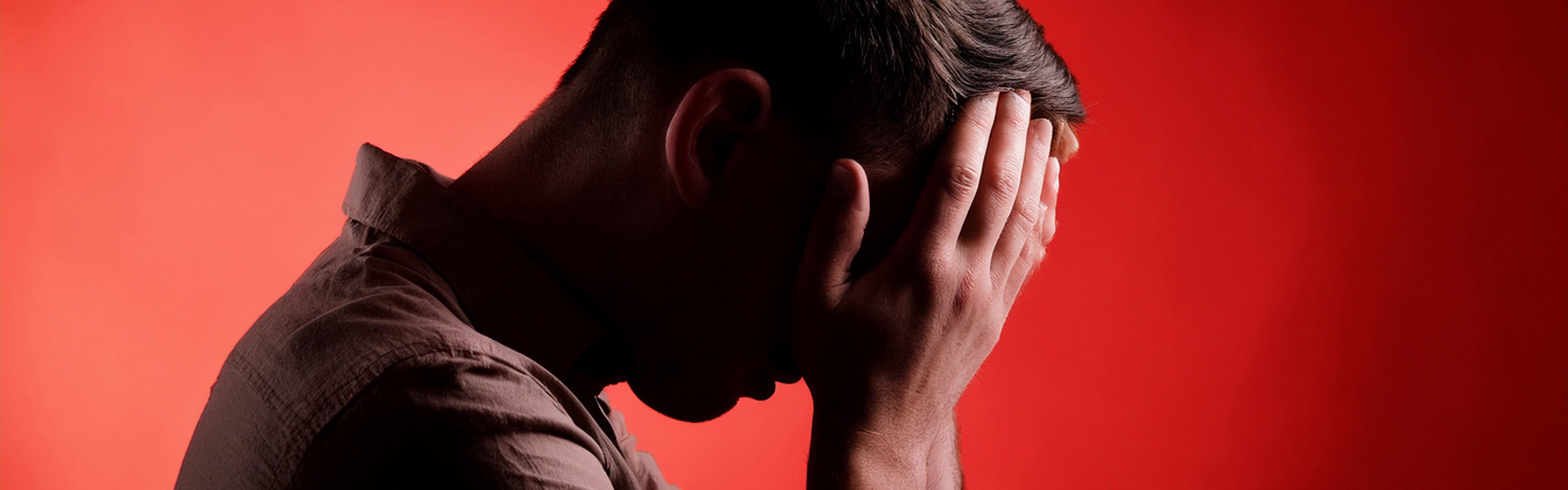
Burnout isn’t about working too hard.
It’s about working from the wrong place—again and again.
In 2021, Blind found that 60% of startup employees were burned out, many pointing to chaotic, reactive leadership.
Now layer in AI:
Founders can run solo with tools that replace whole teams.
Investors expect traction even earlier.
The pressure to keep up has never been higher.
But here's the cost:
When you skip inner alignment, the AI won’t save you—it will amplify your blind spots.
You’ll automate before you understand.
You’ll optimize before you’re clear.
You’ll scale something you don’t even believe in anymore.
And most dangerously, you won’t stop. Because everything looks like progress.
What Inner Alignment Looks Like in Practice
Inner alignment doesn’t slow you down.
It keeps you from building in the wrong direction.
It means asking:
Who am I becoming through this work?
Does this product still reflect my values?
What am I avoiding by staying busy?
Founders who do this create something rare: resonance.
Not just with users, but with their teams, their mission, and themselves.
Jack Dorsey carved out hours of silence and stillness daily. Even while running two companies.
Whitney Wolfe Herd openly credits emotional health as a business advantage:
“Your company can only be as healthy as you are.”
When leaders are clear, decisive, and regulated, teams move with trust.
When they’re fragmented, everything slows down. Even under the illusion of speed.
A New Kind of Founder Discipline
We don’t need founders to do more.
We need founders who can hold more. Emotionally, mentally, and ethically.
That’s a different kind of discipline:
Reflection before reaction
Breath before broadcasting
Depth before scale
Not because it sounds spiritual.
Because it’s strategic.
Naval Ravikant said:
“A clear mind leads to better outcomes. A disturbed mind cannot build a peaceful company.”
And in an AI-powered economy, inner clarity becomes a rare differentiator.
The founder who knows themselves will outlast the founder who simply outruns the competition.
The Quiet Revolution

This is the quiet revolution in entrepreneurship.
Founders who are less obsessed with hustle, and more attuned to wholeness.
They’re not just building businesses.
They’re building the emotional range to carry those businesses through volatility, doubt, and change.
The startup didn’t fail.
The founder did.
But that’s also where the solution lives.
Because when your inner clarity sharpens,
your strategy follows.
And the most scalable product…
is the person building it….
Comments
Nothing yet. Say the first thing.
Sign in to join the conversation.