
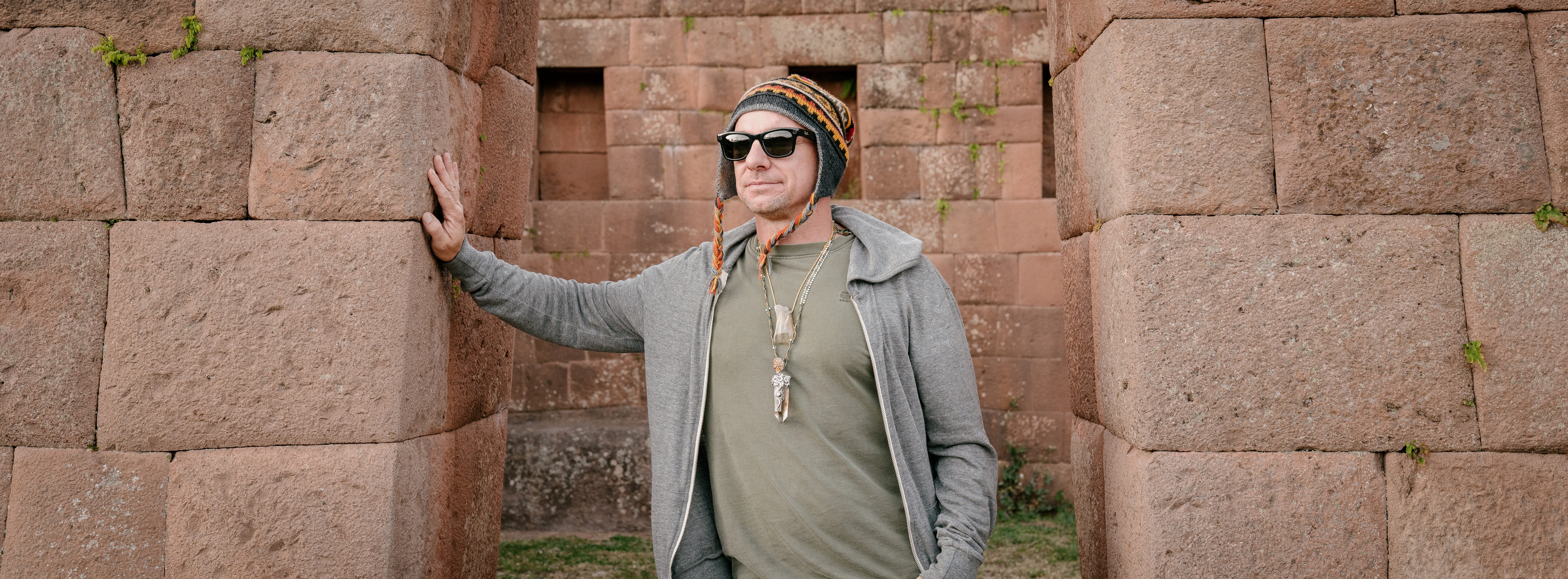
The first spark
I first went to Peru five years ago, but my story with this country started long before my passport ever caught a stamp. I was seven, small enough to climb the lower shelves of my parents library, old enough to get lost in a thick book called The Last Mysteries of the World from 1976. I did not understand everything, but I knew when a page had a pulse.
The chapters on ancient civilizations felt alive. Meso America. The Olmecs. The Mayans. The Aztecs. And in South America, the Incas. I read those pages again and again. The photos of pyramids and temples were not just pictures. They were doors. My mind wandered through them and I tried to imagine daily life in those stones and terraces. Something in me recognized something in them. I felt a connection I could not explain.
“We shall not cease from exploration, and the end of all our exploring will be to arrive where we started and know the place for the first time.” — T. S. Eliot
Cartoons and clues
Around that time an animated TV series appeared in my world, The Mysterious Cities of Gold. It was a collaboration across countries, animated by a Japanese studio and inspired by The King’s Fifth by Scott O’Dell. A boy and a girl journeyed toward the land of the Incas during the time of the conquistadors, and every episode closed with a five minute mini documentary on Inca culture with reenactments. Who does that for kids. It was fun and so deeply educational. I learned so much without trying.
My kids watched it recently and loved it too, which quietly felt like a circle closing.
“Wherever you go becomes a part of you somehow.” — Anita Desai
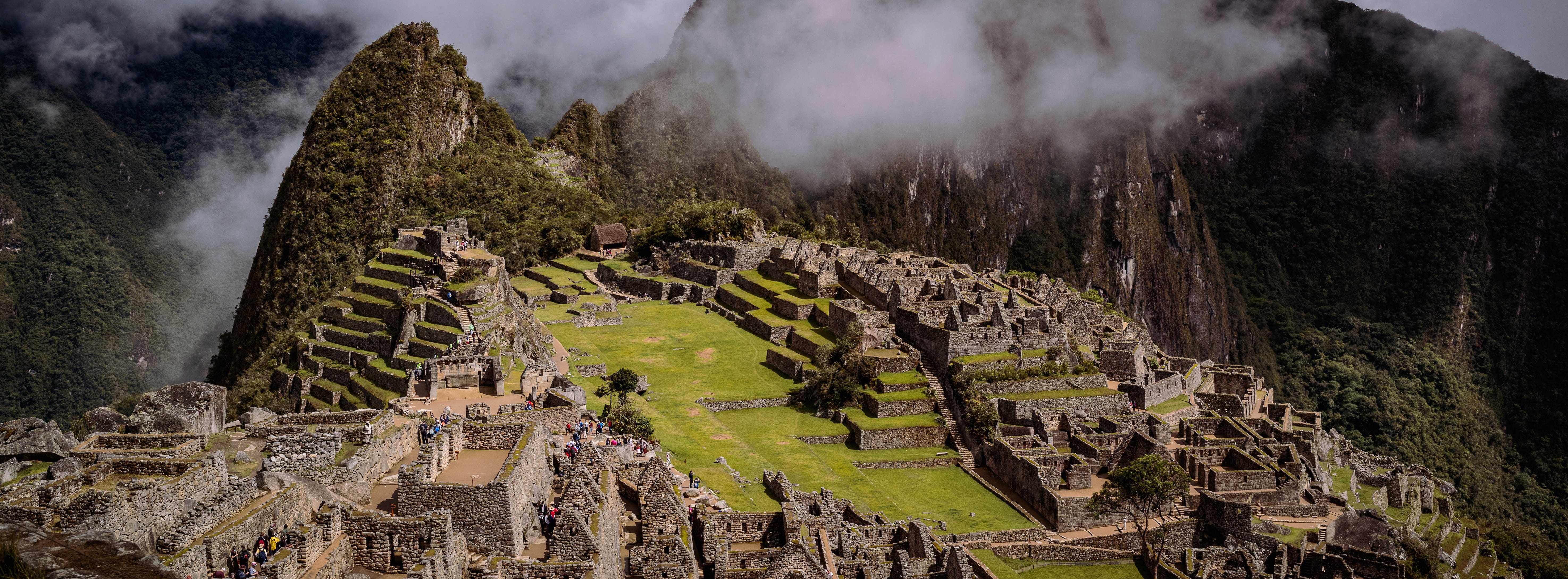
The long echo
I wanted to see Machu Picchu more than I wanted to see anything else. I had traveled to Mexico many times and around the world, but Peru was the voice that never stopped calling. Life even nudged me closer by marrying me to a South American woman. The echo grew into a direction.
Fast forward, time did what it does, and finally an opportunity opened.
“What you seek is seeking you.” — Rumi
Saying yes
My wife and I were exploring psychedelics for therapeutic work. She found a retreat guided by Angell Deer and felt it was the right space and the right moment to experience Ayahuasca. Most people imagine the jungle, but this retreat was in the Sacred Valley of the Andes. Cusco. The dream geography of my childhood pages.
I was not sure I would join at first. Then I said the sentence that made the decision for me. If I am ever going to meet Ayahuasca, what better place than the Sacred Valley, and what better time than my first visit to Machu Picchu. After that, it was simple. We got the plane tickets. We prepared. The yes carried its own momentum.
“The real voyage of discovery consists not in seeking new landscapes, but in having new eyes.” — Marcel Proust
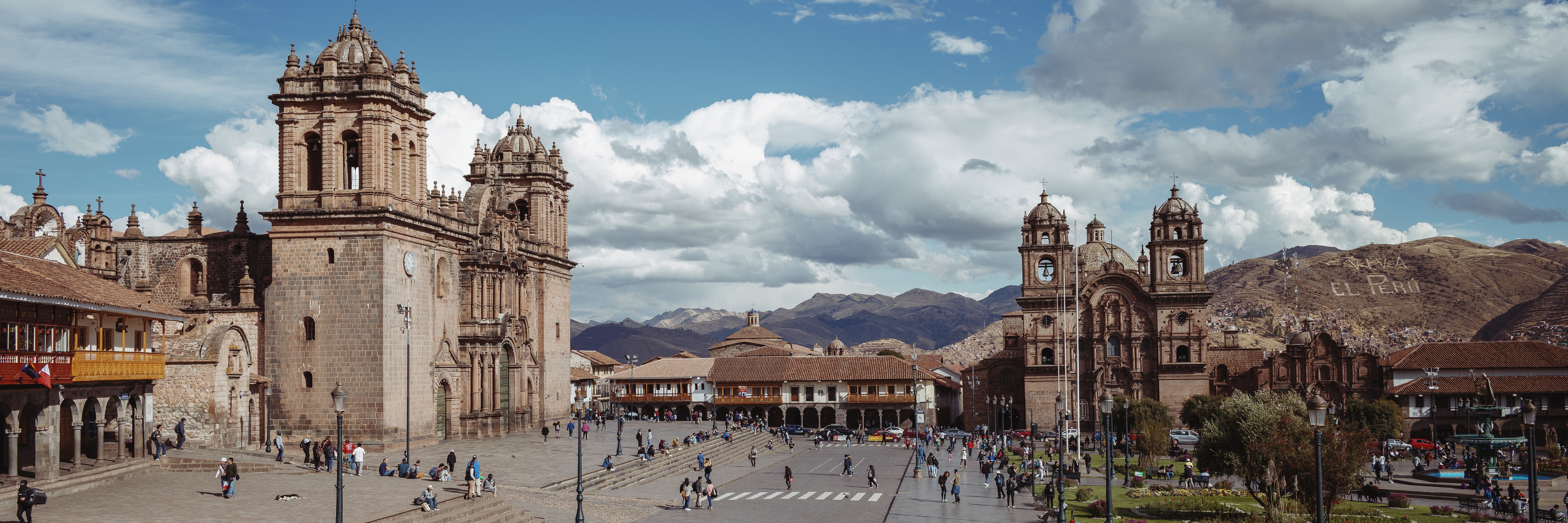
The instant homecoming
I will never forget stepping out of the plane in Cusco. It felt like home. Not metaphorically. Not poetically. A sensation, clear as altitude. There is an energy there that is hard to translate into sentences. It is in the earth, the stones, the trees, and the people. It is powerful and ancient. It made me understand something I had only suspected. This is where I came from. I had been there before. Even if I had not.
It was not about recognition by sight. It was recognition by feeling. As if a part of me had stayed there waiting for the rest of me to arrive.
The first sip of coca tea steadied me. Warm cup between my hands, gentle bitterness on the tongue, lungs loosening little by little. Later I wandered through the Cusco market and drank a cold pressed fruit juice from one of the many stands. Kids ran in arcs around the stools. Dogs trotted by like locals. Elders did their groceries with unhurried conversations. The air held the smells of fruit and flowers and a hint of wood smoke. I was surprised again and again by the food. Simple local ingredients. Potatoes with soul. Corn that tasted like the earth had a voice. Soups that felt like someone was taking care of me.
“The mountains are calling and I must go.” — John Muir
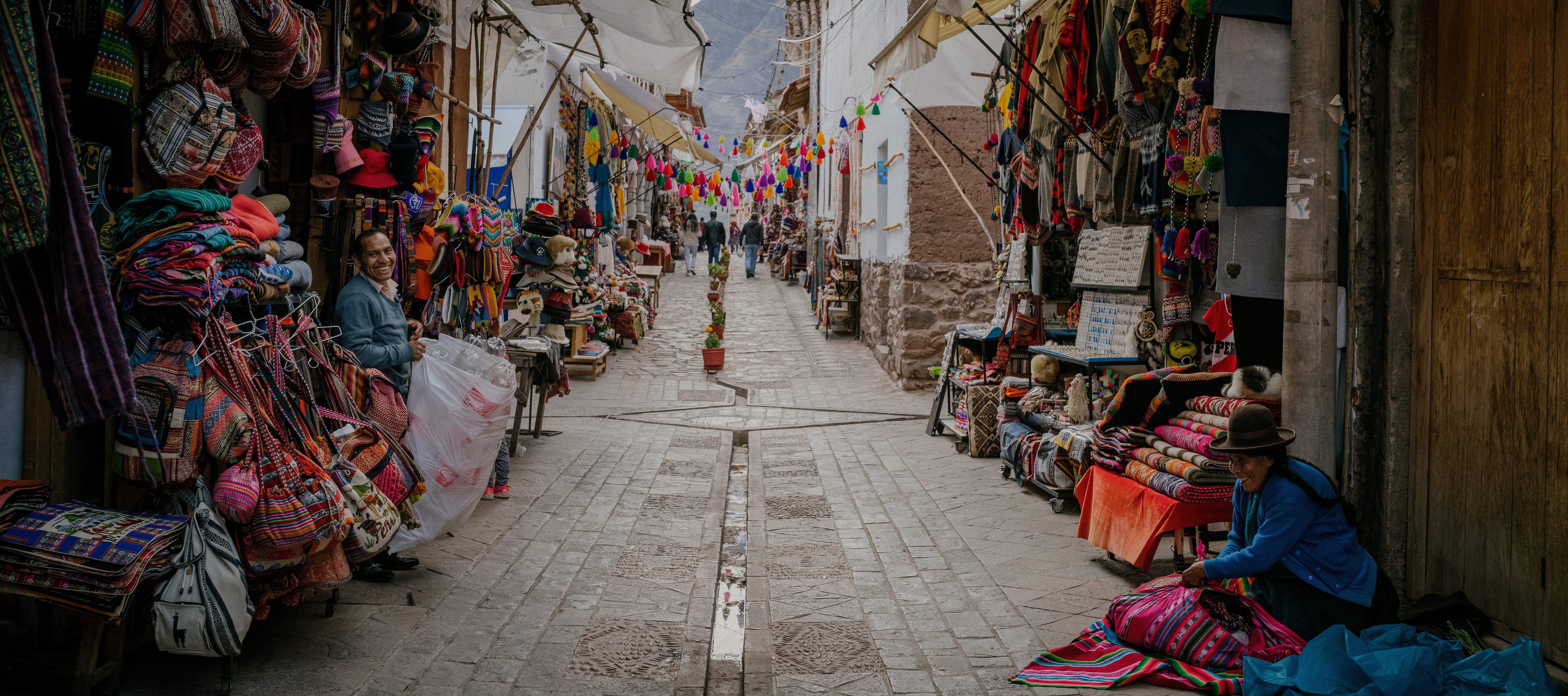
Walking the memory
I walked the streets of Cusco. I wandered the market of Pisac. I hiked the mountains of Kinsa Cocha. I followed the Inca Trail. I stood inside the quiet majesty of Machu Picchu. Every path felt like a conversation with myself that I had been meaning to have for years. The Andes do not shout. They show.
My first time through the Sacsayhuamán fortress, I stood next to stones that were four times my height or more and went silent. Their faces fit together like thought and breath. I ran my fingers along the edges and kept asking the question everyone asks. How did they build this. How did hands and minds move rock like that and make it sing.
When I entered Machu Picchu through its terraces, I held coca seeds in my hands to leave prayers for others (it’s a tradition). Step by step the site revealed itself. Not all at once, but like a slow turning of pages. When the city opened, I was stunned by the scale. It was so much larger than any picture you can see. The terraces, the neighborhoods, the spine of the ridge. It felt like walking into an entire new world.
“It is not down on any map. True places never are.” — Herman Melville
The people who teach by living
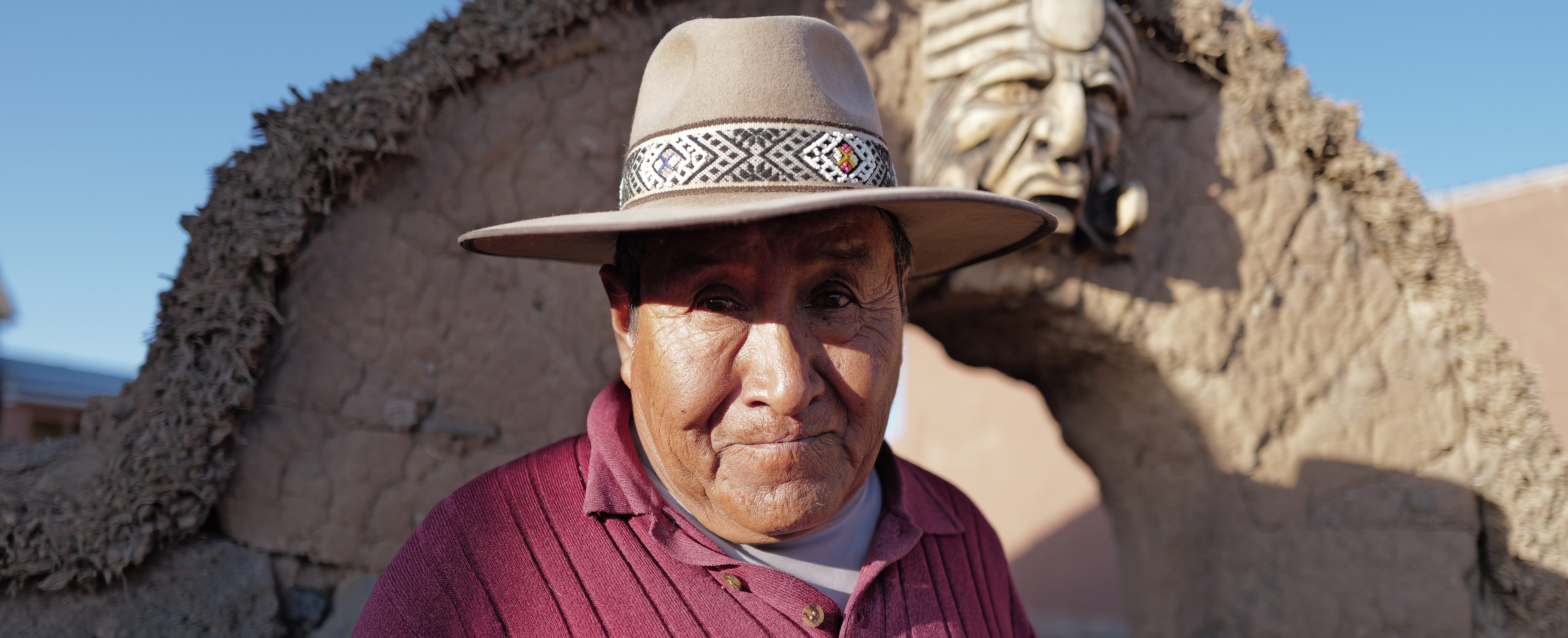
The greatest part is always the people of the Andes. Welcoming. Grounded. Connected to nature in a way that is not performative. It is simply their way. They remind us what a good life can look like. Respect for the earth, Pachamama. Respect for elders. Respect for ourselves. They are brothers and sisters. They are teachers without trying to be. The custodians of an ancient wisdom many of us, in the occidental world, misplaced somewhere between urgency and convenience.
“When we try to pick out anything by itself, we find it hitched to everything else in the Universe.” — John Muir
Again and again
Since that first trip I have returned to Peru many times, at least twice a year. I have visited many sites, met people who now feel like family, and taken my own family there so they can feel it for themselves. Watching my kids discover this place has been one of my deepest joys. They connected with the land and the people. They traveled the country with open eyes. They stood inside ancient sites and listened for the old wisdom. They made friends. They played in this sacred land as if the mountains were their backyard. The Sacred Valley has become one of the special places in my life, one of the few coordinates that change you by being there, and now it is theirs too.
My wife and I now take others on a similar journey. It is a way to share, and a way to give back to a place that has given us so much.
“The only impossible journey is the one you never begin.” — Tony Robbins
I cannot wait to go back
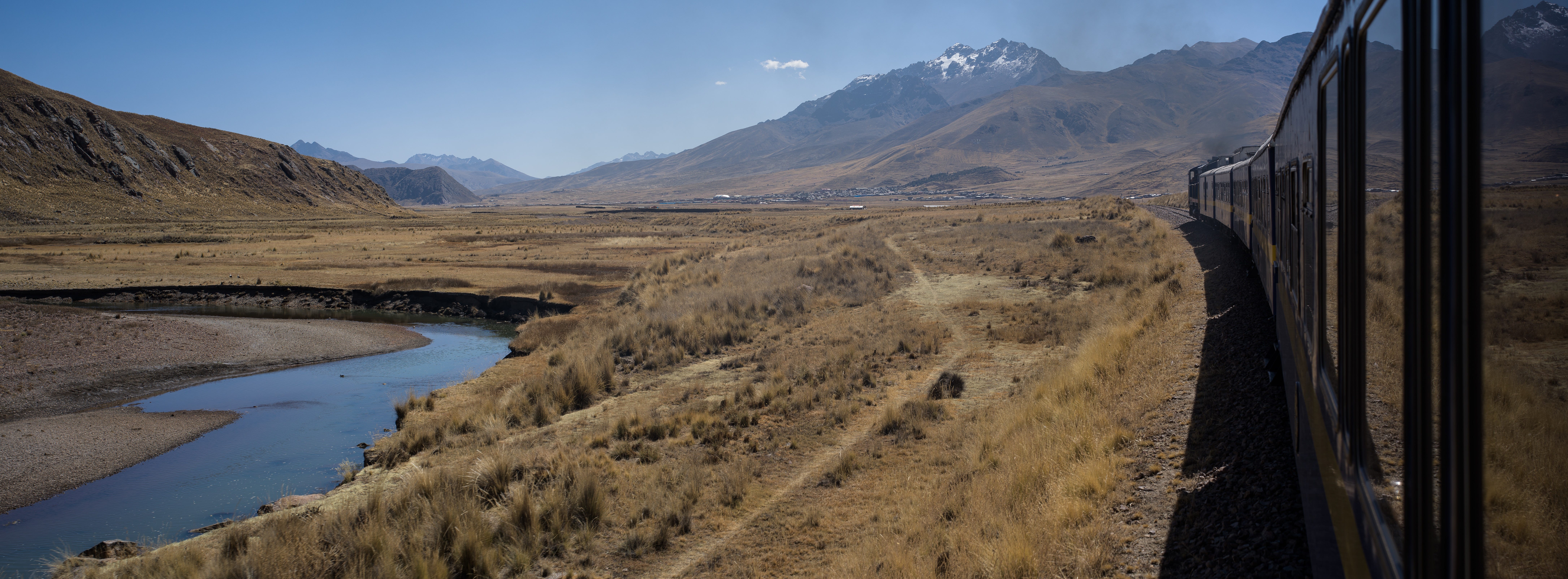
Every return is different. Every return is the same. I step off the plane, breathe that air, and the mountains say, We remember you.
I cannot wait for the retreat we are now hosting there this October.
“Instructions for living a life. Pay attention. Be astonished. Tell about it.” — Mary Oliver
Conclusion
If there is a moral here, it is simple. Let the places that call you become your teachers. Follow the thread from childhood wonder to adult courage. Say yes to the door that pulls you. Travel can be a postcard or it can be a practice. When you choose practice, a landscape becomes a mirror and a community becomes a family. Peru taught me that belonging is not something you own. It is something you recognize and then care for.
Teaser for paid readers
What follows is the guided practice I use to deepen each trip and stay connected to the lessons once I am home. It is the part that turned beautiful travel into a lasting change. Get the full journey as a member.
Comments
Nothing yet. Say the first thing.
Sign in to join the conversation.