

We like to think seeing the glass half full or half empty is just a passing thought. But the way we hold that thought is the lens we look through. That lens is our mindset. Some thoughts carry more power than others. Some pull us toward who we want to be, some keep us looping inside the same small room. If you want joy, why carry a lens that keeps dimming the light.
We are not our thoughts. We can choose them. With practice, with attention, with a little more honesty than is comfortable.
“The greatest discovery of my generation is that a human being can alter his life by altering his attitudes of mind.” — William James

Thoughts come and go like clouds. You are the sky. When we forget that, a single cloud can look like the whole weather. A thought is a proposal, not a command. The magic here is choice. You get to accept, rename, or replace it. The muscle is discipline. The doorway is self awareness. The work is noticing what is happening in your mind before it becomes your day.
This is the quiet interior work I return to often, the same inner work I lean on when everything outside gets loud, fast, or uncertain. It builds the kind of resilience that does not depend on outcomes.
“You are what you imagine yourself to be.” — Paulo Coelho
Close your eyes for a moment (maybe not if you want to continue reading this exercise…). There is a lemon on a cutting board in front of you. Bright yellow, skin slightly textured. You hold a knife. The blade slides through and the lemon opens, wet and shining. You cut a quarter. You lift it. The scent hits your nose, sharp and clean. You sink your teeth in and a stream of sour juice wakes your mouth.
If you are salivating, notice this. There is no lemon. There was only the instruction, then the image, then your body answered. This is a small example of how powerful thought can be. A picture in the mind can start a reaction in the body. If that can happen with a lemon that does not exist, imagine what repeated pictures of fear, scarcity, or failure do to your nervous system. Now imagine the opposite.
“What you think, you become. What you feel, you attract. What you imagine, you create.” — often attributed to the Buddha
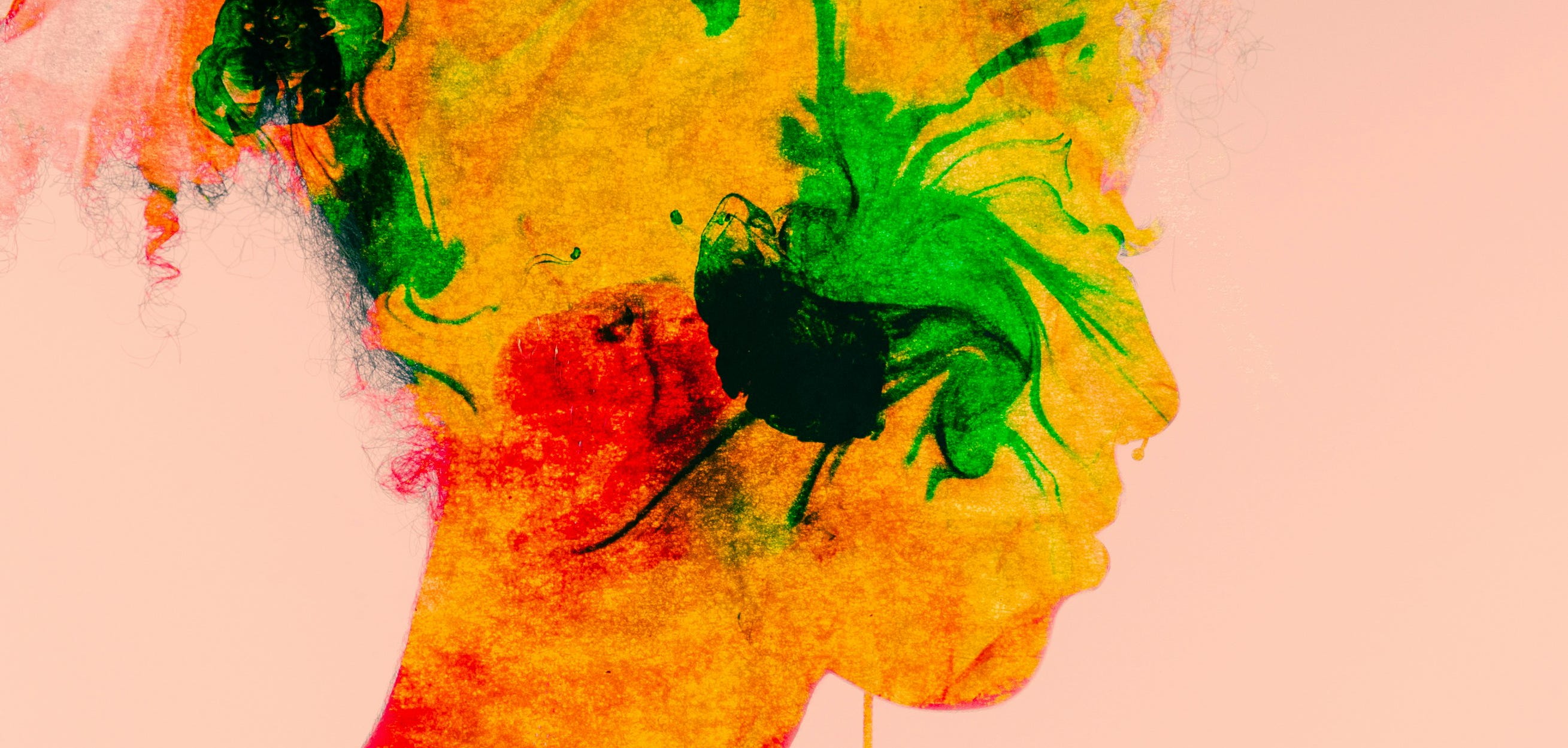
You are not broken because you tend to notice what is wrong. That is survival doing its job. The nervous system runs threat detection all day. Negative material sticks. It lasts. It gets rehearsed. Positive material is more slippery, it passes through unless we slow down to let it land. So there is a tilt. Stress narrows perspective. Mind wandering often drifts toward worry. This is not a personal flaw. It is a default setting. Which means it can be reconfigured.
One practical move is to balance the ledger on purpose. If a single negative thought has staying power, then you feed your mind with three small, specific positives to reset the scale. Repeat this inside ordinary moments. The point is not toxic positivity. The point is regaining choice.
“Until you make the unconscious conscious, it will direct your life and you will call it fate.” — Carl Jung
“Between stimulus and response, there is a space. In that space is our power to choose our response. In our response lies our growth and our freedom.” — Viktor Frankl said that and he was right.
Emotion follows thought. Thought is the spark, emotion is the flame. Mindfulness is learning to see the spark in time to choose how you hold the match. That looks like noticing the first tightness in your chest, the first swirl in the stomach, the first story line the mind offers. The earlier you notice, the more room you have to act rather than react.
Under pressure the survival system takes the wheel. We default to old patterns. The work is not to eliminate stress. The work is to recognize it as it begins, and return to presence before it becomes the day’s weather.
“Awareness is the greatest agent for change.” — Eckhart Tolle

Make this concrete. When you feel charged, pause. One deep breath, in and down into the belly, long slow out. Name the inner weather. Sadness is here. Fear is here. Anger is here. Craving is here. Naming does not feed it. Naming makes space around it. Then ask a very simple question. What is the next kind thing I can do right now. Kind to my body. Kind to the people around me. Kind to the goal I care about.
This is not complicated. It is repeatable. The more you practice, the more you can bring that pause into hard moments. This is where the shift begins. And it is the same spirit behind the way I design practices for deep search and integration, the tools that move you from idea into lived change.
“Nature does not hurry, yet everything is accomplished.” — Lao Tzu
A strong way to interrupt negative loops is gratitude. Not as a performance. As a precise attention practice. Three small things, right now, that you can feel. Warm water on your hands. The friend who texted you this morning. A body that keeps walking you through your life. When you focus on what is already here, the nervous system softens. The lens clears. The room gets a little bigger.
Do not wait for a special moment. Fold gratitude into the ordinary. Coffee, sunlight on the table, a conversation that made you laugh, the way a stranger held a door. Repeat. Let the repetition do its work.
“Wear gratitude like a cloak and it will feed every corner of your life.” — Rumi

If you want to be happy, why keep a lens that expects lack. If you want to be brave, why practice a story that ends before it starts. If you want to build, pick a mindset that serves building. You can adopt it. You can reinforce it. You can design for it. This is not about pretending. It is about practicing the inner position that makes the outer move easier to take.
Community helps. Ritual helps. Repetition helps. And when you slip, which you will, you re enter the practice. Fail better, as the saying goes. The point is not perfection. The point is direction.
The thoughts we carry are our prayer….
“I never lose. I either win or learn.” — Nelson Mandela
Mindset work is not slogans. It is inner work. It is breath and honesty and repetition. It is learning to stay with yourself when the mind gets noisy and the path is not obvious. It is how you build self trust that does not shake when results take longer than you wish. That is the foundation I keep coming back to in my work with fclients. Choose the slow, human path that endures. Speed can help. Only inner work helps you endure.
“Success is liking yourself, liking what you do, and liking how you do it.” — Maya Angelou
If this feels timely, the full section below gives you a simple way to journal your way into a steadier mindset and five small daily practices to rewire your lens. There is also a soundtrack to help you drop in.
Comments
Nothing yet. Say the first thing.
Sign in to join the conversation.