
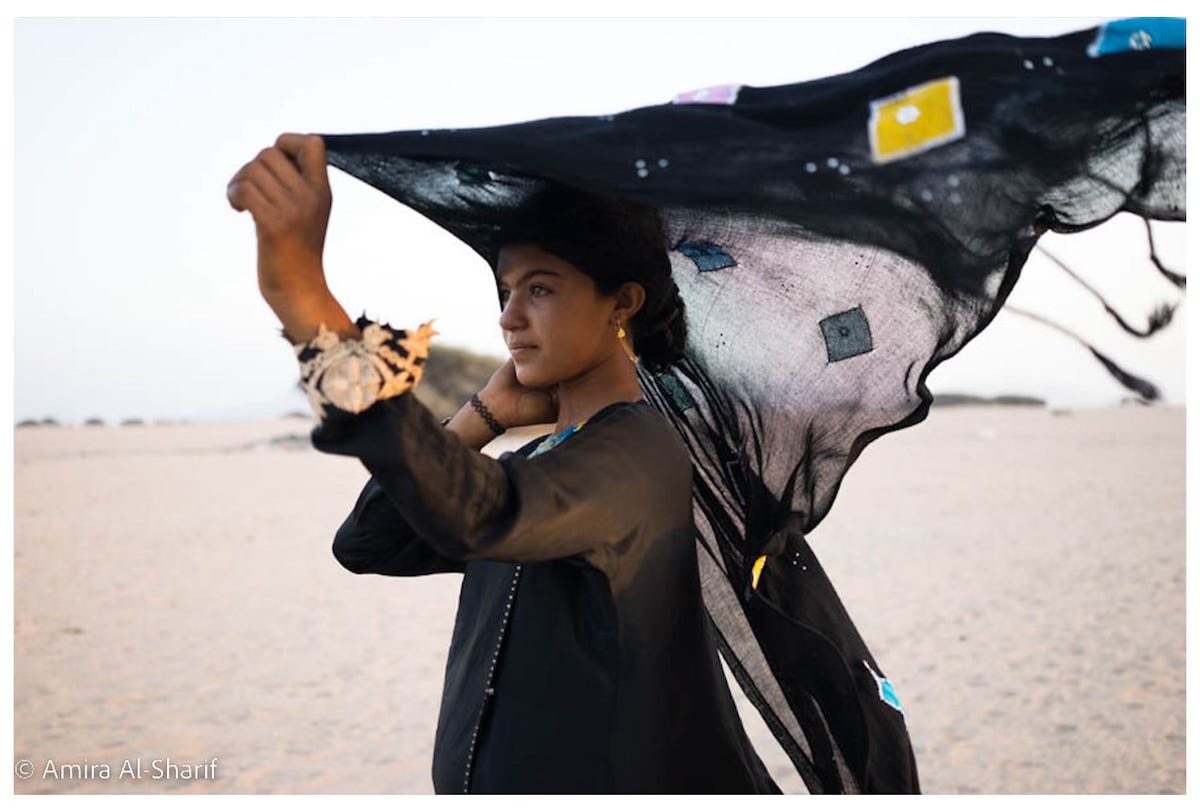
PARIS, FRANCE — Fragile peace is not the absence of war. It exists between explosions, not beyond them. It lives in the pause between movements, in the breath taken cautiously, in the phrase women repeat to themselves: for now.
Outsiders often mistake fragile peace for stability. If bombs are not falling, they call it “peace.” But the absence of sound is not the presence of safety. In Yemen, peace is conditional. A child plays outside, but her mother still watches the sky. A family sleeps, but lightly. The nervous system does not power down. Hyper-awareness becomes habit.
Fragile peace demands more strength than open war. Crisis is loud and mobilizing. Uncertainty is quiet and exhausting. War tells you when to react. Fragile peace asks you to anticipate.
It requires constant maintenance. You remain alert and hopeful at the same time. You question good news. You perform strength so others can rest. You absorb anxiety without naming your own.
Headlines move on faster than trauma. Survival is mistaken for recovery. The world sees endurance and calls it “resilience.” But fragile peace is not resilience. It is negotiation without resolution. It is safety without guarantee. It is living in the delicate space between collapse and continuation. And it costs more than the world admits.
Political language simplifies fragile peace. It turns negotiation, endurance, and caution into headlines: “Ceasefire Achieved,” “Conflict De-escalated,” “Stability Restored.” But fragile peace does not live in words. It lives in bodies and in breath.
A mother finally sleeps four hours without waking in panic. Children play outside, watched cautiously. A woman breathes slowly, though her shoulders remain tense. These are the measures of real peace. Politics negotiates power. Fragile peace negotiates safety. Politics seeks victory. Fragile peace seeks rest. Politics can announce it. Fragile peace cannot be guaranteed.
The world calls us resilient because it cannot name what we carry. Resilience comforts the conscience of those who watch from afar. Fragile peace admits instability, exhaustion, and uncertainty. It requires vigilance, courage, and compassion — often without recognition.
For women in warzones, fragile peace is daily labor. It is both survival and moral responsibility. It is holding families, communities, and memories together while systems falter. It is the uncelebrated work of endurance that politics and headlines cannot measure.
Comments
Nothing yet. Say the first thing.
Sign in to join the conversation.