
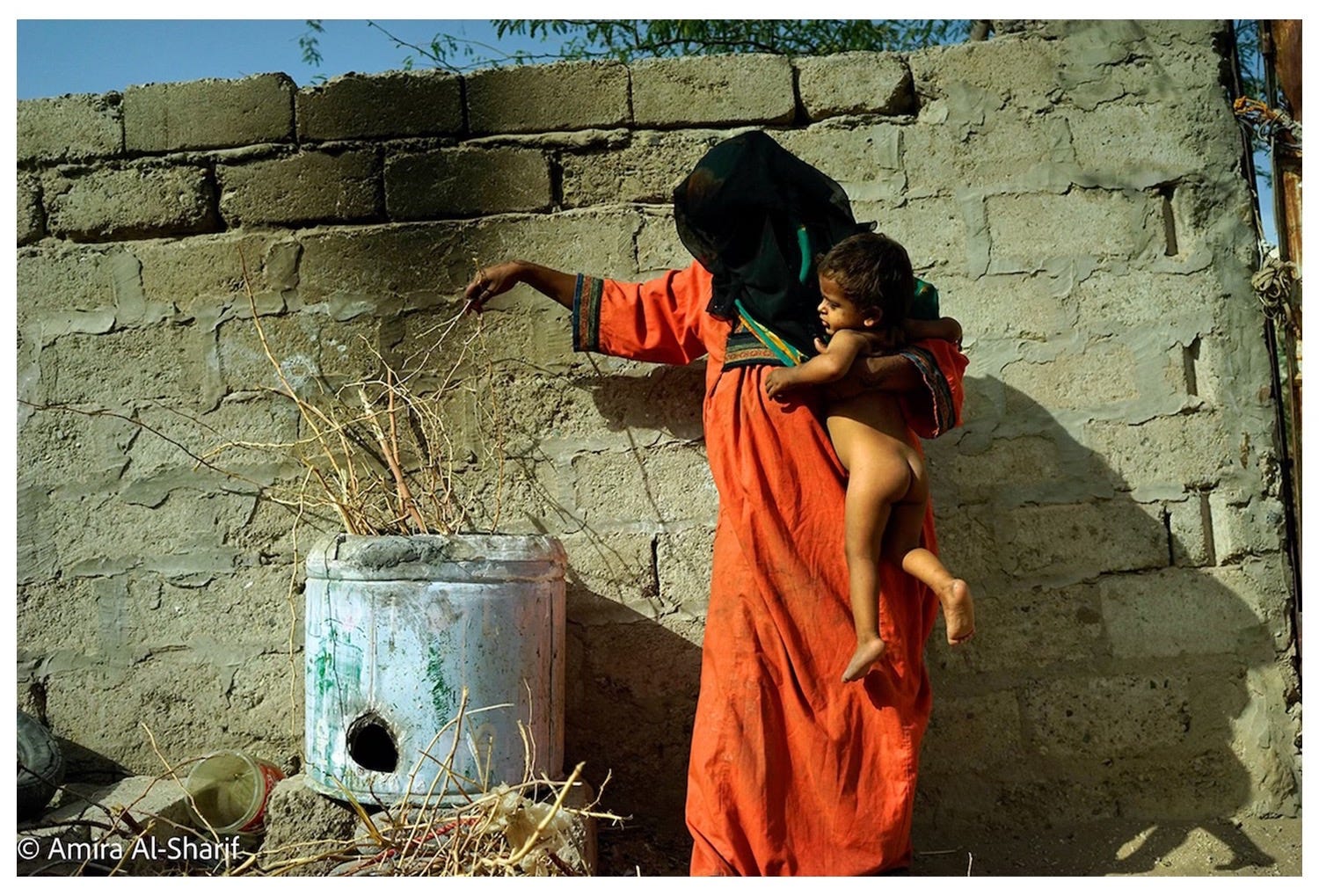
PARIS, FRANCE — Women carry the weight of fragile peace. They hold families together, manage grief, and maintain silence, all while their own strength stretches thin.
In Yemen, survival is never individual. Every day, women negotiate safety not only for themselves but for children, elders, neighbors, and even strangers. They absorb anxiety, monitor risks, and perform calm, all while danger lingers at the edges of their lives.
This labor is invisible. It does not appear in reports or headlines. It is measured in held breaths, suppressed tears, and eyes that remain watchful even when the world around them seems quiet. Women are shock absorbers. Their resilience is assumed. Their exhaustion is unseen.
I witnessed this every day. As a photographer, I recorded the events, but I also witnessed the pauses, the negotiations, the tiny victories, and the fatigue that never fully disappeared. Fragile peace asks for endurance beyond the limits that most can imagine. It demands courage not in the face of explosions, but in the quiet moments of vigilance.
My archive of Yemen carries weight — emotional, historical, personal. It holds fragments of lives, moments of fragile peace, and the endurance of women in Yemen. For years, I stored these images silently, not fully able to confront what they meant. Survival demanded I function, not feel. Reflection required safety I did not yet have.
Now, seven years later, distance allows me to see what I carried, frozen inside the photographs: grief, courage, exhaustion, and the quiet negotiations that ensured life persisted. Reopening the archive is both healing and confronting. My shoulders tighten. My mind tires. But it is necessary.
Through this work, I realize that fragile peace is an ongoing act. Documenting it is not only witnessing history: it is preserving truth. Every photo is resistance against erasure, against the world forgetting what survival costs. These images speak what headlines cannot, and they show how we endure, negotiate, and exist when systems fail us.
At times, I feel protective of these moments. The archive is sacred. The faces within it, the gestures, the silences — they deserve care. They deserve recognition that fragile peace is not abstract. It is lived, carried, and fragile.
The archive also transforms me. I see myself differently now: not only as a photographer but as a narrator and protector. I hold the memories of women who trusted me to document their lives. I am responsible for their story, for the truth of what fragile peace feels like.
Through these images, I can grieve, reflect, and resist simultaneously. They are testimony and memory, evidence that peace, even when fragile, matters.
Comments
Nothing yet. Say the first thing.
Sign in to join the conversation.