
PARIS, FRANCE — The world calls us “resilient.” It praises endurance. It sees strength and assumes invulnerability. But resilience comforts the observer. It is a word that suggests we are capable, managing, surviving — without asking at what cost.
Fragile peace is different. Fragile peace is unsettling. It admits instability. It acknowledges exhaustion. It recognizes that safety is incomplete. It demands vigilance, courage, and attention — daily, quietly, and often without recognition.
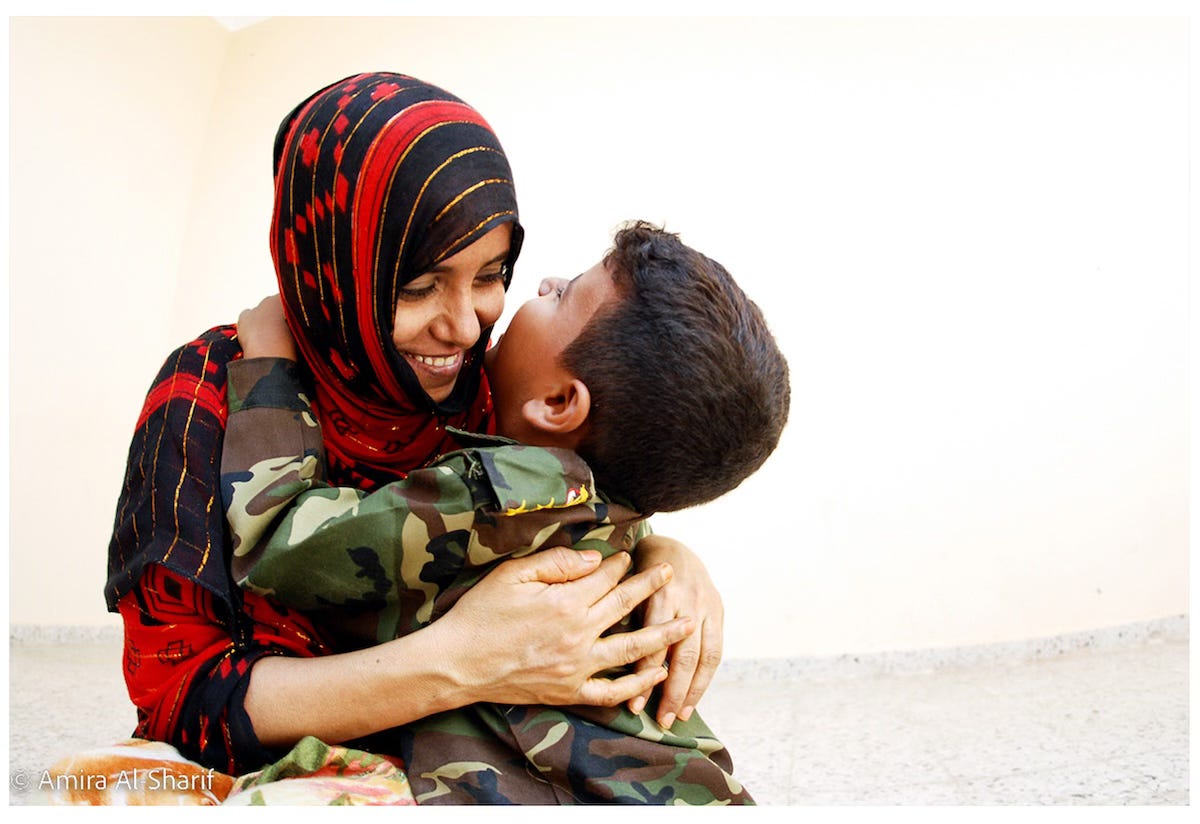
Women carry fragile peace in their bodies, in their nerves, in the spaces between words. They negotiate safety for others while silencing themselves. They absorb fear, grief, and anxiety, and perform hope. Every day, they negotiate life — even when systems fail, even when violence is not immediate, even when peace is only conditional.
Being a Yemeni woman and a documentary photographer, I live with this dual responsibility: to survive, and to witness. My archive of fragile peace is a conversation — with myself, with history, and with the world. It is both an act of reflection and resistance.
Fragile peace cannot be guaranteed by politics. It cannot be declared in headlines or signed in treaties. It exists in breath, in pause, in cautious moments of safety. It is carried in exhausted hands.
The world calls it “resilience.” We know it is fragile peace. And naming it requires courage. Not only the courage to survive, but the courage to admit exhaustion, to grieve, to reflect, and to keep carrying on in spite of it all.
If fragile peace could speak, she would say: “I am trying.”
Do not celebrate too loudly. She lives in pauses. She grows in silence. She waits. She endures. And she teaches us that strength is not endless, and peace — even fragile — deserves recognition, care, and vigilance.
Comments
Nothing yet. Say the first thing.
Sign in to join the conversation.