
I can’t remember the first time I was called dumb, but I know it happened more than once. When it did happen, I didn’t argue or defend myself.
Before you understand who you are, all you know is what you are called.
In your early years, being smart is defined by the obvious question: Are you good at school? My answer would be no, I am not.
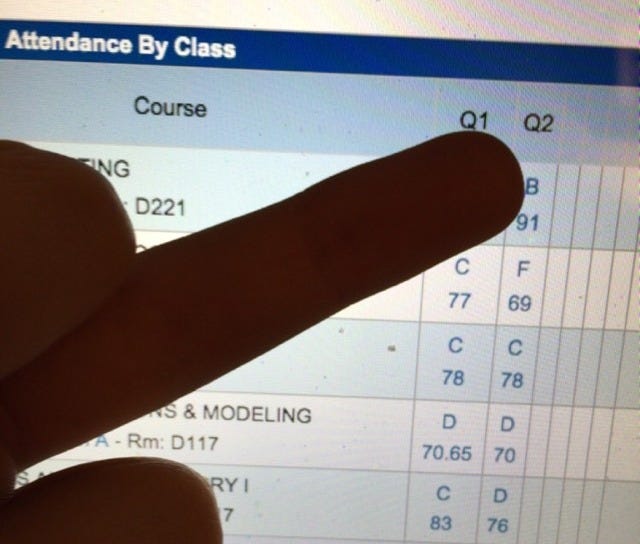
I was never good at school. I think I have some kind of learning disability. I say ‘some kind’ because my teachers and parents couldn’t figure it out. I sometimes mixed numbers around or wrote letters backwards, common in dyslexia.
School advisors recommended testing, but my parents explained they couldn’t afford it. It made things harder, but I was still able to succeed when it came to reading and writing. My mother has since apologized for not getting me tested.
I tell her it’s fine, I turned out okay. Although I didn’t get into college.
Why? Well, there are plenty of reasons outside of myself.
I don’t blame my parents, but I got lost as the middle child between my toddler younger sister and my older sister, battling addiction. They had a lot on their plates.
At some point, my not succeeding in school fell short of priorities.
Which is understandable, after all the meetings they sat through with my teachers. My dad, a teacher himself for nearly thirty years, tried so hard to help me. Sophomore year, they hired tutors over and over. But I was already checked out.
I was fifteen when I figured out that if I didn’t care about my grades, they couldn’t hurt me. But with time, I learned the truth: I cared too much. The weight of letting my parents down was heavier than I knew how to hold.
So I taught myself not to care—because if I let it matter, it might’ve crushed me.
I had zero support from my high school teachers. It was a competitive public school, and I stood out because I didn’t care about succeeding. I’ll never forget writing down my homework in my agenda one day, and a beloved teacher—the one who won Teacher of the Year—walked by and said to the whole class, “Why is Abbey writing down her homework? We all know she’s not going to do it.” The class erupted in laughter. It was hilarious to everyone that I would even try. So I stopped.
I think I felt smart for the first time after I transferred from community college to a four-year university. I was in a literature class, and no one was participating that day. I had done the reading. I enjoyed the story. I raised my hand—something I would never have done in high school. I shared my thoughts. My professor nodded and said, “Brilliant. That was my interpretation as well.” It felt like I had finally been let in.
I kept raising my hand. I started to have intellectual conversations, to share my opinions with more confidence. I even graduated Cum Laude.
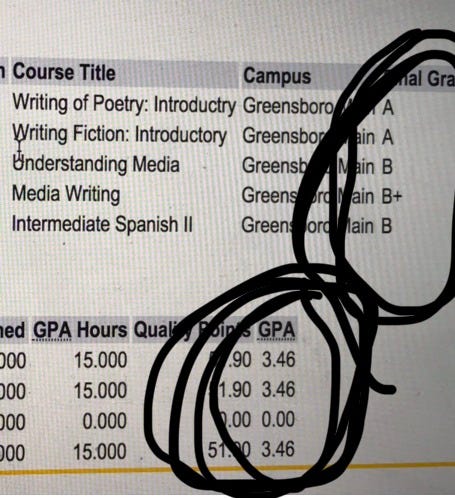
I started to believe—maybe I am smart after all.
But even as I started believing in myself, I couldn’t ignore the way the world makes being a “dumb girl” look kind of appealing. There’s this version of femininity that’s soft and unthreatening, where being clueless is cute. It’s easier to be forgiven when you don’t know better. Maybe sometimes, yeah, I saw the appeal in playing along.
I relate to the feeling that being smart can feel like a burden.
For example, a few months after graduating, I did something dumb. At least, that’s what I called it for years, a really dumb decision.
Possibly the dumbest thing one can do — trust a man you hardly know.
It’s a story I’ve told through tears to my mother, brushed off as a hookup gone wrong on a first date, and sobbed through in therapy while rocking back and forth.
That winter it happened, I couldn’t stop thinking: how could I be so stupid?
When someone else is assaulted, I know it’s not their fault. But when it happened to me, I couldn’t forgive myself. If I were smart, shouldn’t I have seen the signs? If I were smart, shouldn’t I have set boundaries? If I were smart, why did I book the flight? If I were smart, wouldn’t I have listened to my friends who told me not to go?
I rewrote the memory so well that I convinced myself it was funny. I told it like a crazy story, nothing more serious than that. When a therapist called me a survivor and a victim, I never saw her again. I didn’t fight. I didn’t scream. How could I be a victim?
I don’t even think he knows that it wasn’t consensual. I haven’t spoken to him since.
It took a PTSD diagnosis to even begin forgiving myself. To understand why I couldn’t be intimate with my boyfriend sober without being dragged back to that apartment. It took therapy to help me see that I lost something beyond just trust in men. I lost trust in my instincts. I lost the part of me that believed I was a smart woman.
I felt like I was back at ground zero. Slowly learning to believe in myself again.
And then, a few weeks ago, I got into grad school.
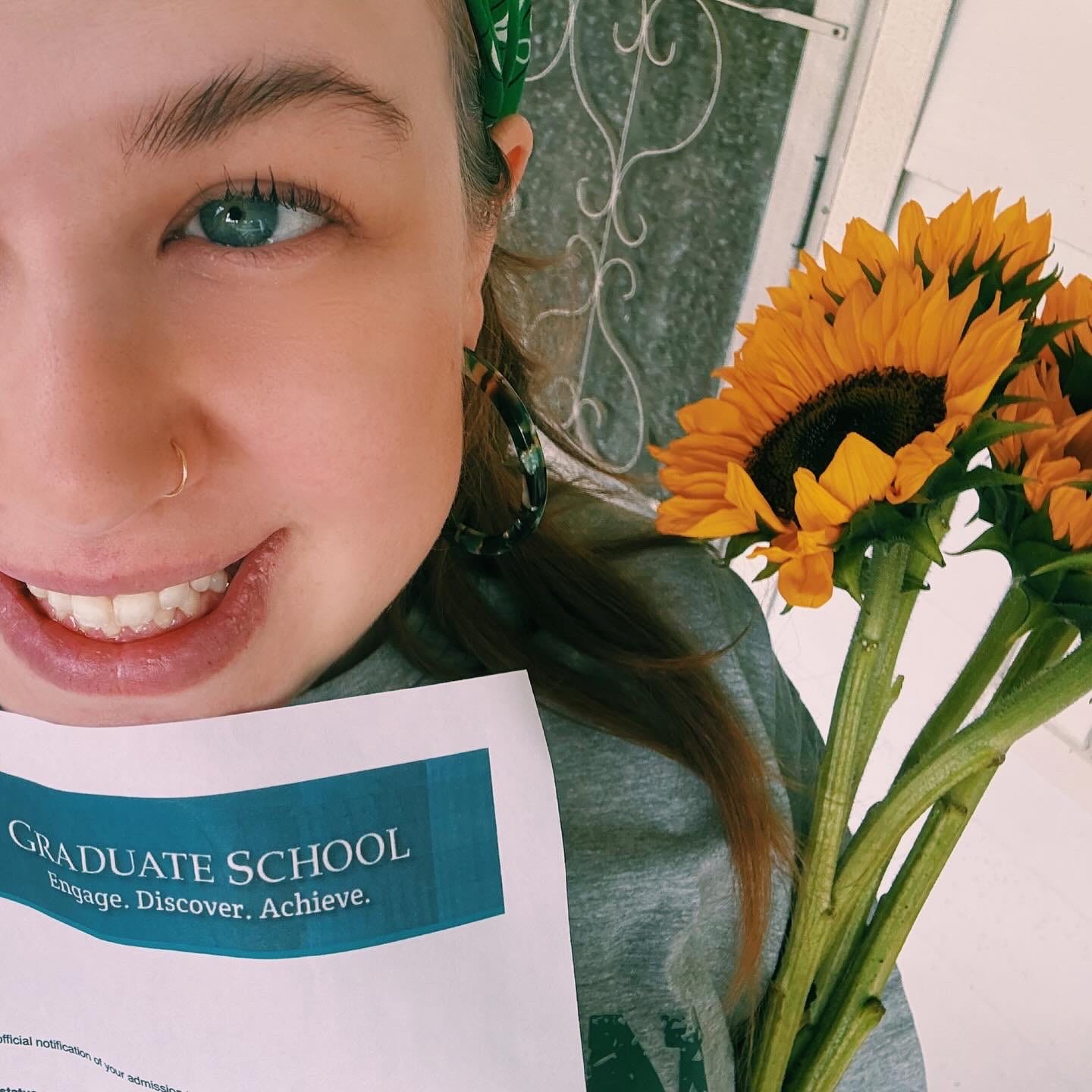
I was accepted to get my MFA in fiction, which feels like something smart people do.
When I read the letter, where they said I had impressed them, it made me pause.
Maybe I am getting closer to seeing myself the way they do?
I continue to hold heavy in my heart the girl who stopped writing down her homework. The young woman who raised her hand for the first time. The survivor who had to remember how to trust herself—each one of them brought me here.
Grad school doesn’t rewrite my story. But it certainly adds to it.
It’s one more reason to believe that I’m still learning, still growing, still figuring out what it means to be smart. I don’t always believe it.
I want to call myself smart even though I have and will do dumb things.
I still spill coffee on myself, trip over my own feet, use improper grammar, misspell words, and forget what day of the week it is.
But I also write stories that make people feel things.
And maybe that’s what my version of being smart looks like.
No posts
Comments
Nothing yet. Say the first thing.
Sign in to join the conversation.