
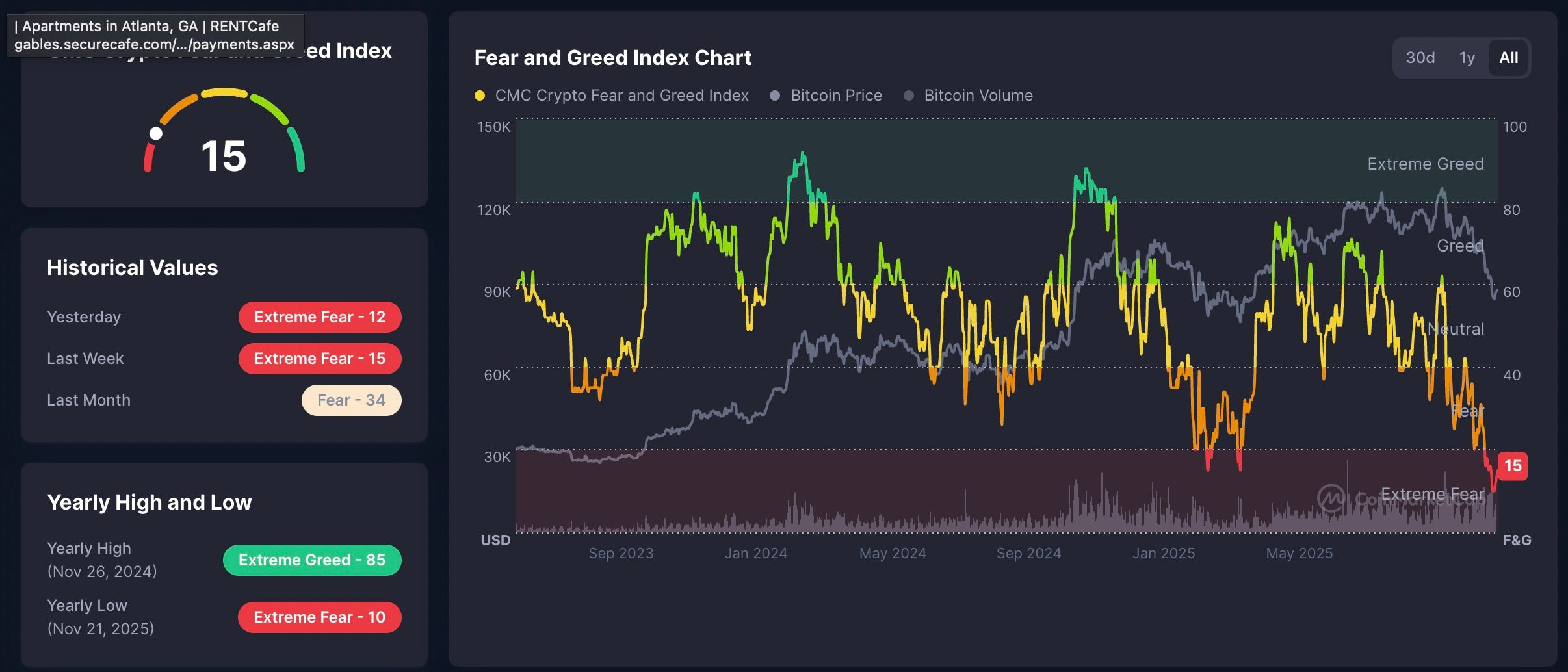
The graphic above describes the current state of the market. Extreme fear is usually a good time to buy.
Ethereum just implemented the Fusaka hard fork which is headlined by EIP 7594 (PeerDAS). PeerDAS increases the scaling of blobs (6 to 48 over time) to reduce transaction fees and increase data throughput.
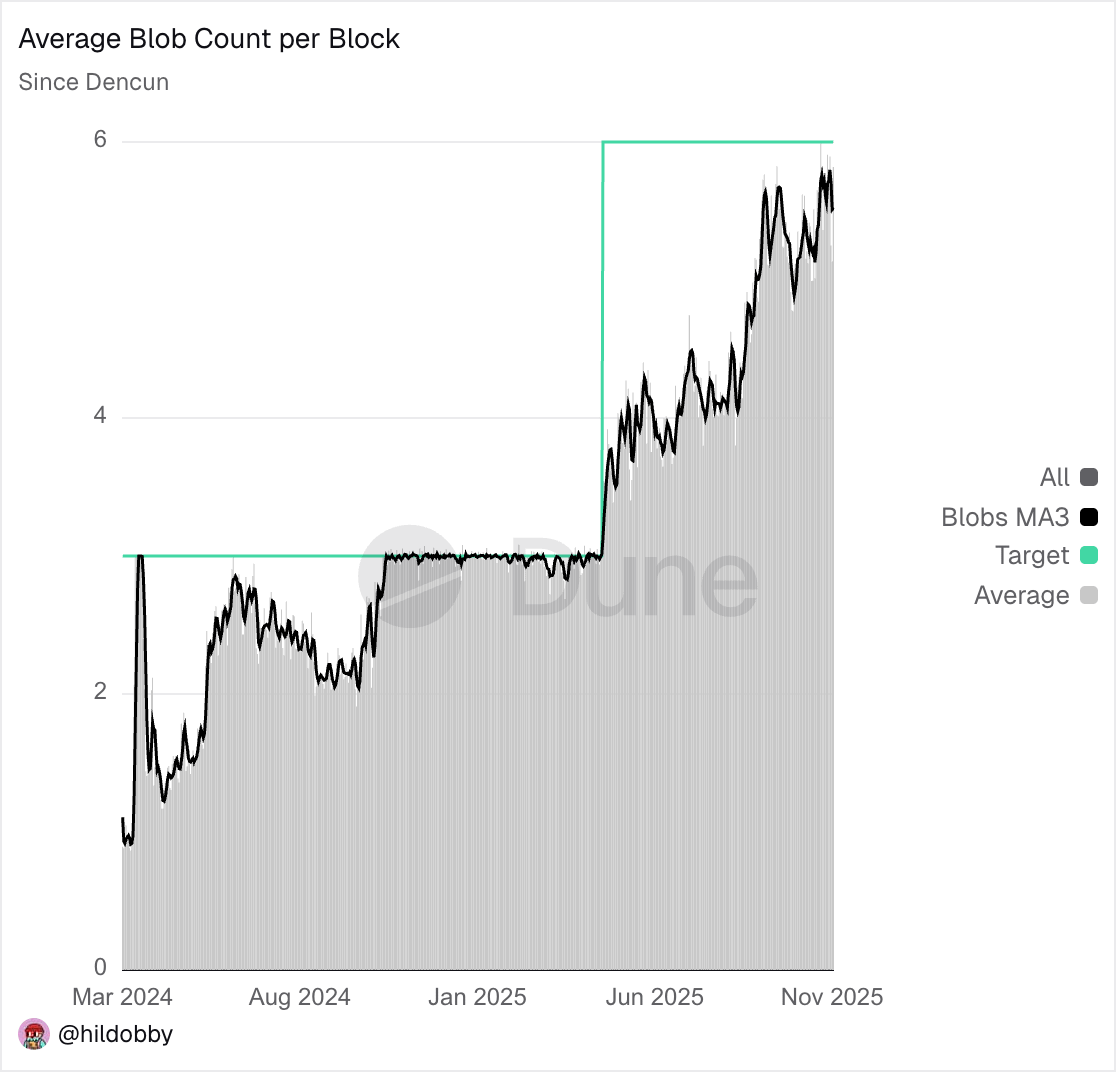
As the data shows, blobs have consistently been reaching their target as the Layer 2 (L2) demand for Ethereum block space grows. EIP 7918 introduces a fee floor for blobs. March 2024 - December 2025 was a subsidy period for blobs to incentivize L2 growth.
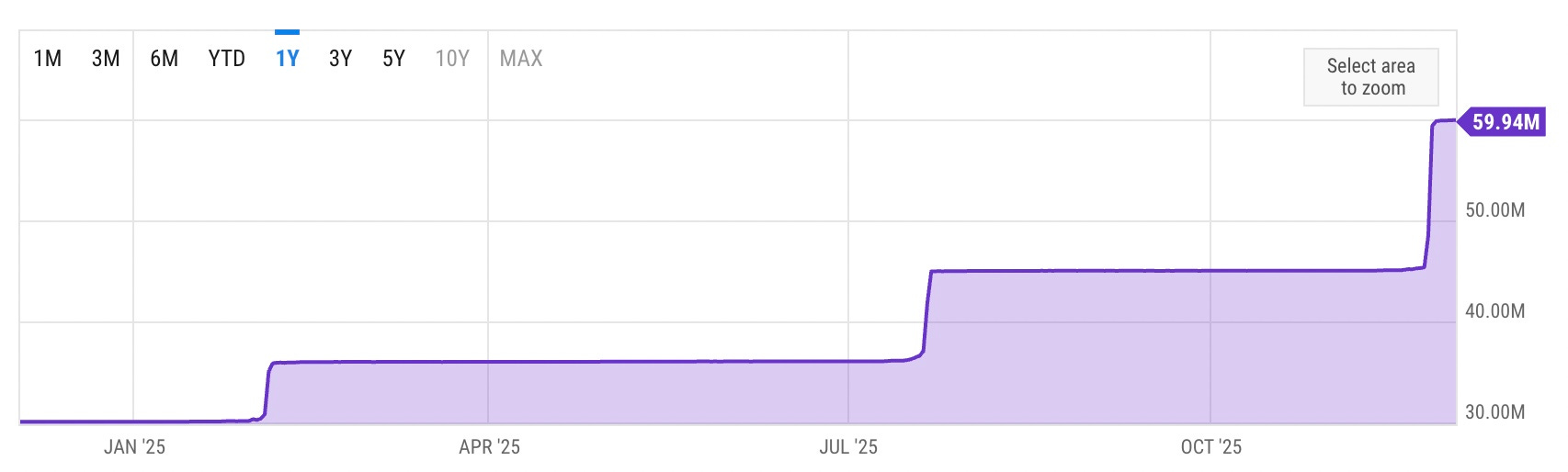
With product market fit and L2 profitability, the subsidy should stop. Moving forward, L2s will pay their “share” of network fees. EIP 7918 ties the blob cost to the Layer 1 (L1) fees at a ratio of ~1/16. This brings the cost of blobs in line with the compute cost of posting the data to Ethereum mainnet. On mainnet, the gas limit has scaled from 30M to 60M, allowing the network to double its computational workload. The goal for 2026 is to scale it to 180M. All of this while maintaining a key focus on decentralization.
Ethereum continues hyper growth mode as the network maintains its market share of tokenized assets and value secured onchain. Persons in crypto boast of new metrics to value L1s (think of L1s as nation states with their own economies) such as real economic value (REV).
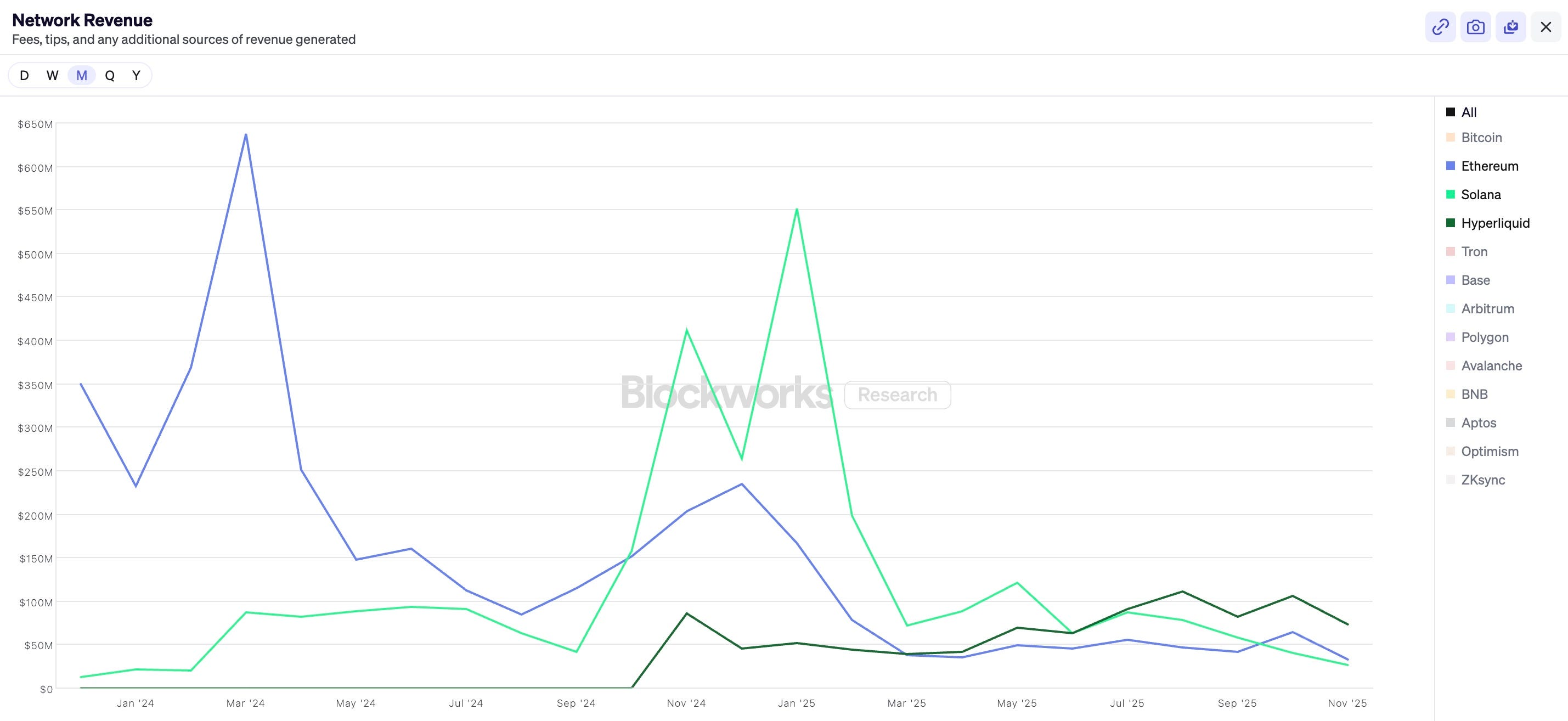
The problem with REV? It is a tax on the consumer and it means they’re getting a worse deal. Applications such as Aave (via Chainlink) have attempted to stop this leakage. It is a tax on the customer which goes directly into the pockets of insiders who are staking (via tips to validators) or MEV searchers who scan the mempools. It is value extraction by very sophisticated actors. Only one person gets to submit the winning block.
In most industries there are power law winners and Ethereum continues to cement its moat.
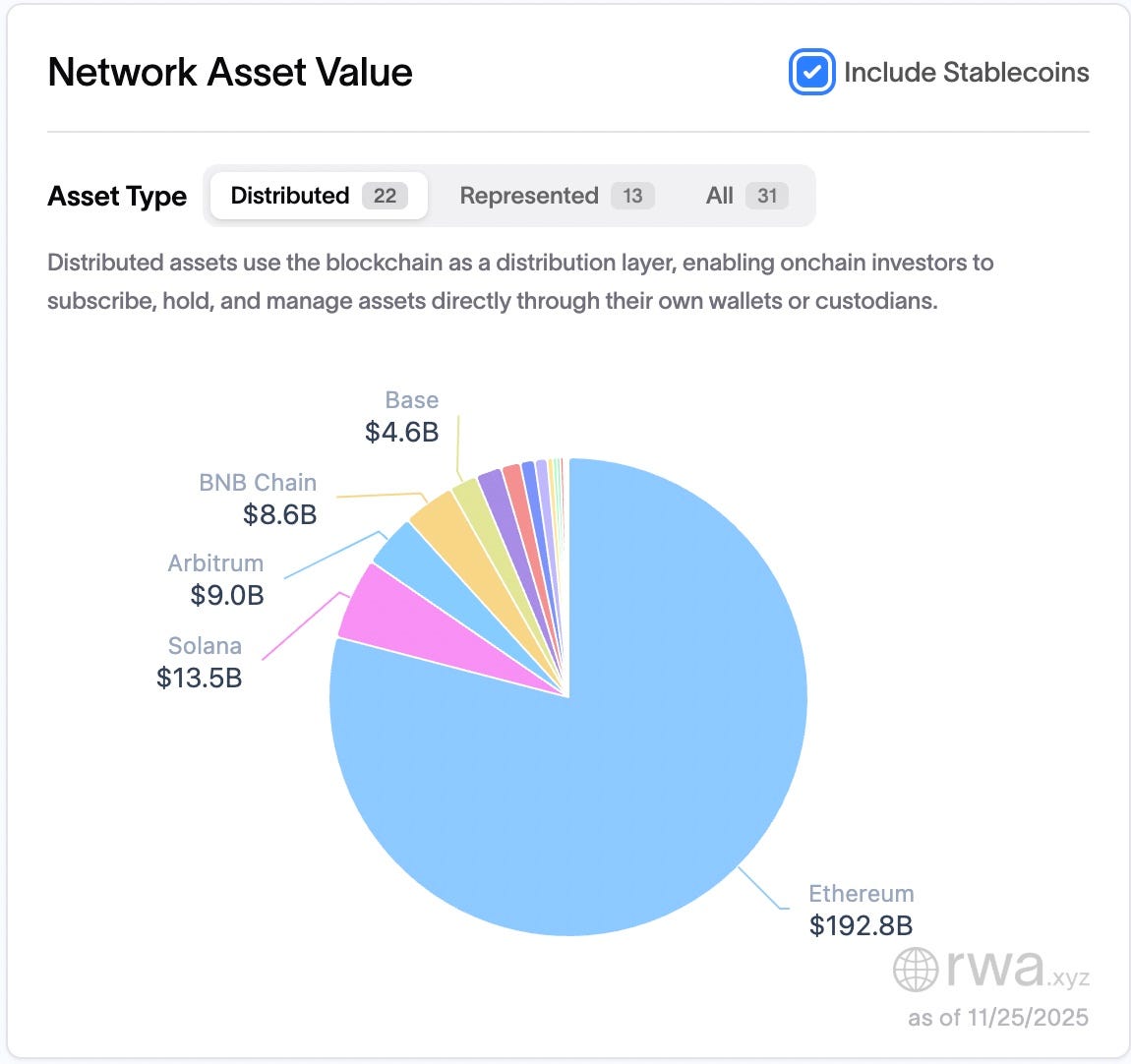
Ethereum will be the decentralized network with most capital (liquidity) and cheapest transactions. Institutions on Wall Street greatly value decentralization as it helps remove counterparty risk. The progress ZK technology is making is very impressive and happening faster than anticipated.
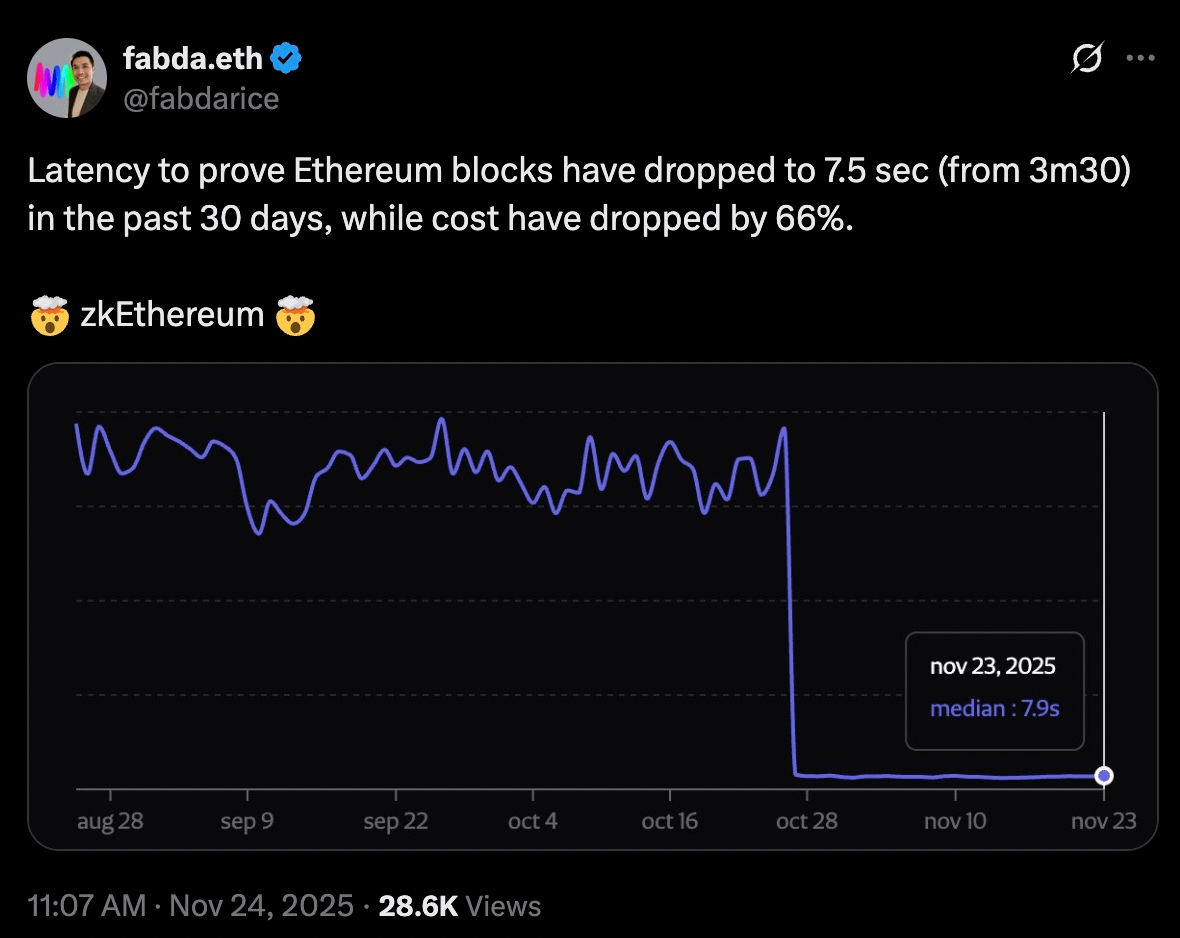
As ZK technology scales and is implemented into the EVM, it will become cheaper, easier, and quicker to verify transactions. In addition, the technology will provide privacy solutions that users and institutions crave. Due to its unique history and switch from PoW to PoS, Ethereum has unrivaled decentralization and clear track record of completing highly technical network upgrades.
What is the value of decentralized digital trust and privacy?

The DATs continue to tap capital markets. BitMine (BMNR) has acquired 3% of Ethereum supply at an average cost of $4K. The purchase is currently underwater but since BMNR will stake the ETH to generate revenue, I’m not worried about them selling. It might seem like BMNR has a very high cost basis but that is due to their business model of issuing shares ATM and volume being highest (their ability to raise capital) in frothy periods. It is very impressive how quickly BMNR has been able to acquire this much Ethereum by selling shares. A masterclass in marketing from Tom Lee to drive attention and volume to the stock.

As we look forward to closing out 2025, it is important to reflect on all the important milestones that Crypto has reached this year.
The marketing around Ethereum has changed with new leadership at the Ethereum Foundation (focused on building crypto) and independent teams like Etherealize and SharpLink Gaming (explaining crypto).
Ethereum underwent two major technical upgrades to the network - Pectra and Fusaka. Ethereum’s culture allows it to continue to improve the network while also maintaining 100% uptime and decentralization.
ETH ETF inflows were substantial this year as AUM went from $12B to $42B. BlackRock filed an ETH staking ETF and will help secure the network. Vanguard, the last holdout of the major financial institutions, ends ban on crypto ETFs. Bank of America is recommending 4% crypto allocations to crypto after being hostile. The anti crypto army is falling.

DATs emerged as new vehicles to raise capital and purchase crypto treasury assets. Some are built for long term success such as Strategy, BitMine, and SharpLink Gaming. They have raised enough capital to scale operations. Smaller DATs will make mistakes by selling assets to increase NAV (death spiral) but similar to the smaller ETFs they do not have a major effect on the market.
Ethereum is scaling. Gas fees went from 30M to 60M and blobs went from 3 to 10 (BPO1). Doubling the capacity on mainnet and tripling blobs is great. Next year the goal is to increase blobs to 48 and scale mainnet to 180M. All of this while maintaining 100% uptime and decentralization.
The GENIUS Bill and Clarity Act are two key pieces of legislation that will provide clarity to digital asset markets and allow the USA to maintain its lead in these key industries. It will open the door for increased investment via clear rules and protections without hindering the industry with burdensome regulation.

There is a lot to be bullish on. Hold on to your Ethereum.
Cheers,
Whitetail & Co
No posts
Comments
Nothing yet. Say the first thing.
Sign in to join the conversation.