
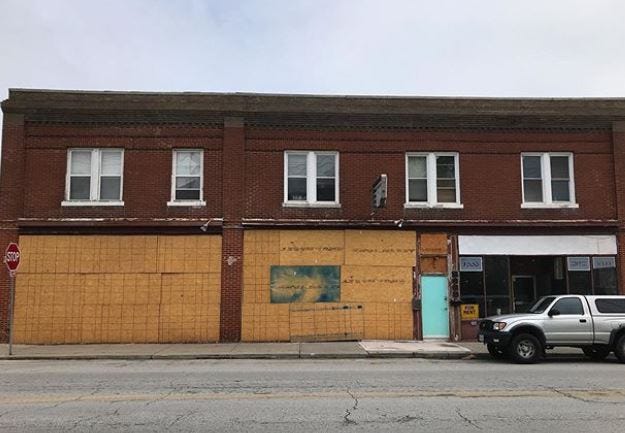
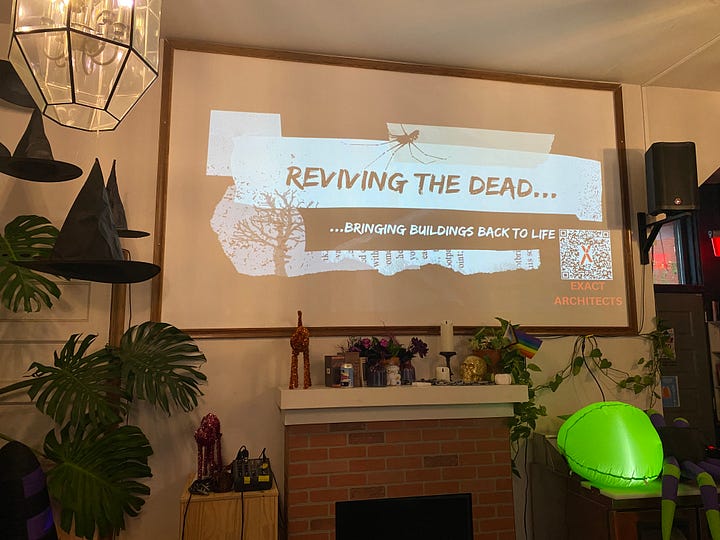
We’ve all seen the vacant storefront that sits empty for years. The boarded-up building everyone talks about but nobody touches. The conversation where someone says, “Someone should do something with that place.”
Usually, the problem is not a lack of interest. It’s that small projects are hard to do.
Most vacant buildings are too small or complicated for large developers. At the same time, financing, regulations, and industry norms make it difficult for local people to take on small projects themselves. So buildings sit vacant because there is no clear path for someone local to step in.
As a planner, I’ve seen communities push for zoning reform, redevelopment incentives, and economic development programs. Those things matter. But policy alone does not create projects. Projects require people willing and able to do them.
If communities want more small-scale reinvestment, they need more people who understand how to take on small projects and a local network that supports them.
That support system does not appear automatically. It has to be built.
In 2018, I founded Small Developers of KC as a meetup-based community for people interested in small-scale incremental development. My goal was simple: create a place where people interested in small projects could meet each other, share information, and learn from real projects happening locally.
Over time, I’ve spoken at conferences and events about how the group works and what impact it has had in Kansas City. There was no playbook when I started. The structure evolved through trial and error. This is the framework that worked for us.
Start by helping people understand what small-scale development actually is.
In many communities, “developer” carries negative baggage. That often discourages local people from seeing themselves as participants in shaping their neighborhoods.
Small-scale development is usually carried out by ordinary people already connected to the community: small business owners, architects, contractors, real estate agents/brokers, lenders, advocates, artists, etc. Raising awareness helps people see development as something local people can participate in, not something done only by large firms.
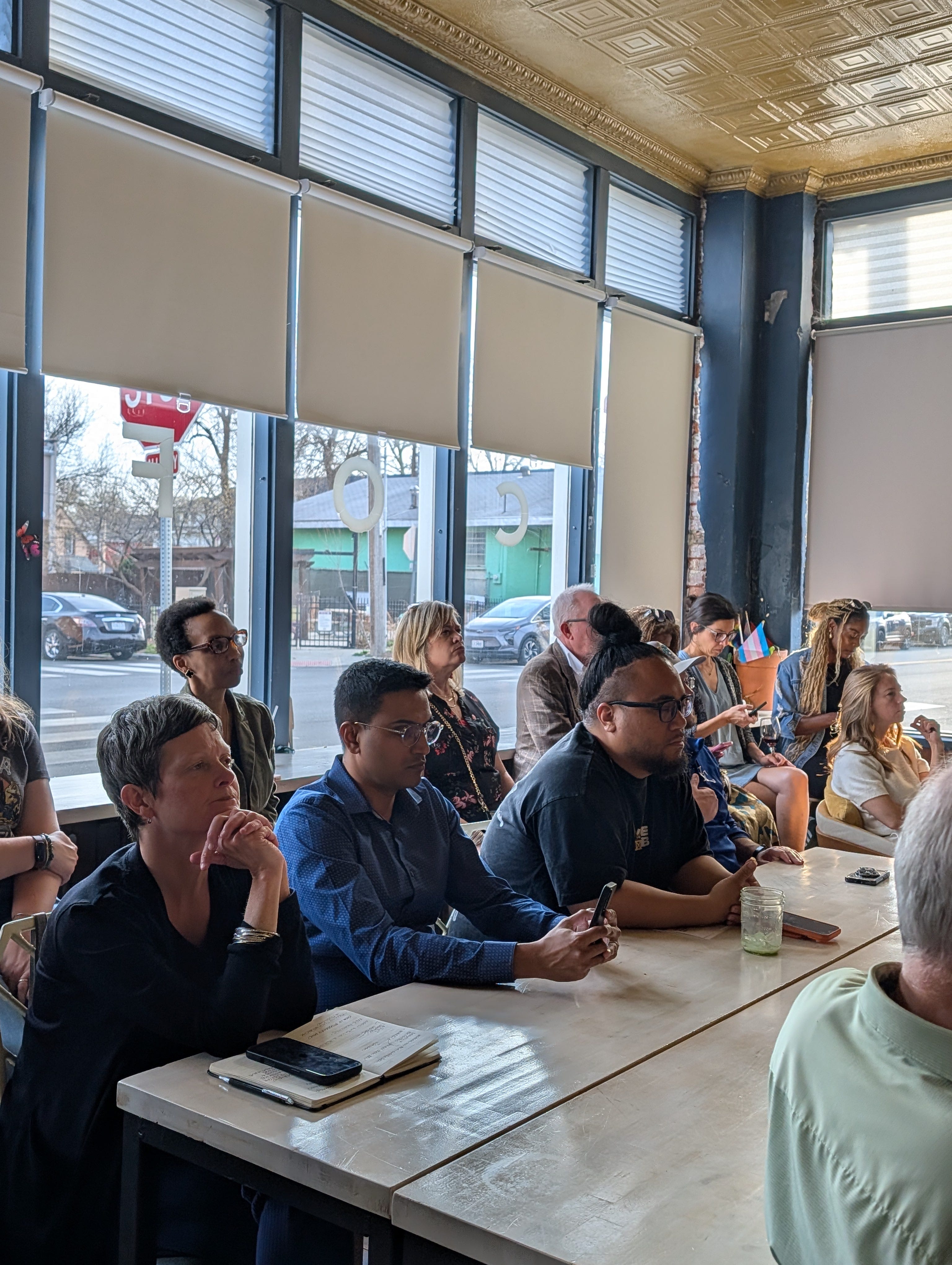
You need to understand how the local ecosystem currently functions before you can organize around it. Talk to people already connected to small projects:
Lenders
Planners
Contractors
Brokers
Property owners
Small business owners
Tradespeople
Ask questions:
Who is rehabbing buildings?
What projects are getting done?
What barriers are people running into?
Who already understands how small deals work?
Workshops and speaker series help introduce people to the concept.
In Kansas City, one of the early catalysts was a public speaker series called Making a Great City. In 2018, we hosted a workshop with the Incremental Development Alliance. The room included planners, builders, lenders, artists, neighborhood advocates, and small business owners. The important takeaway was not the workshop itself. It was realizing those people needed an ongoing place to stay connected afterward.
A one-time event is not enough. People need a consistent way to stay connected.
Your first priority is building a list of people interested in the topic. An initial workshop or public event can help you build momentum and collect contacts. Aim for enough people to sustain regular attendance and conversation. Around 100 engaged contacts is a good starting point. Mine started there, and is now almost 1,000. It takes time, and it will grow over time.
Keep this simple:
Pick a name
Pick a font
Pick a few colors
Use consistent graphics
Tools like Canva are enough. Consistency matters more than polish.
You do not need a complicated system. We use:
Email (Mailchimp)
A website (Squarespace)
Instagram
The goal is simply to share meetings, events, and updates consistently. Avoid creating more platforms than you can realistically maintain.
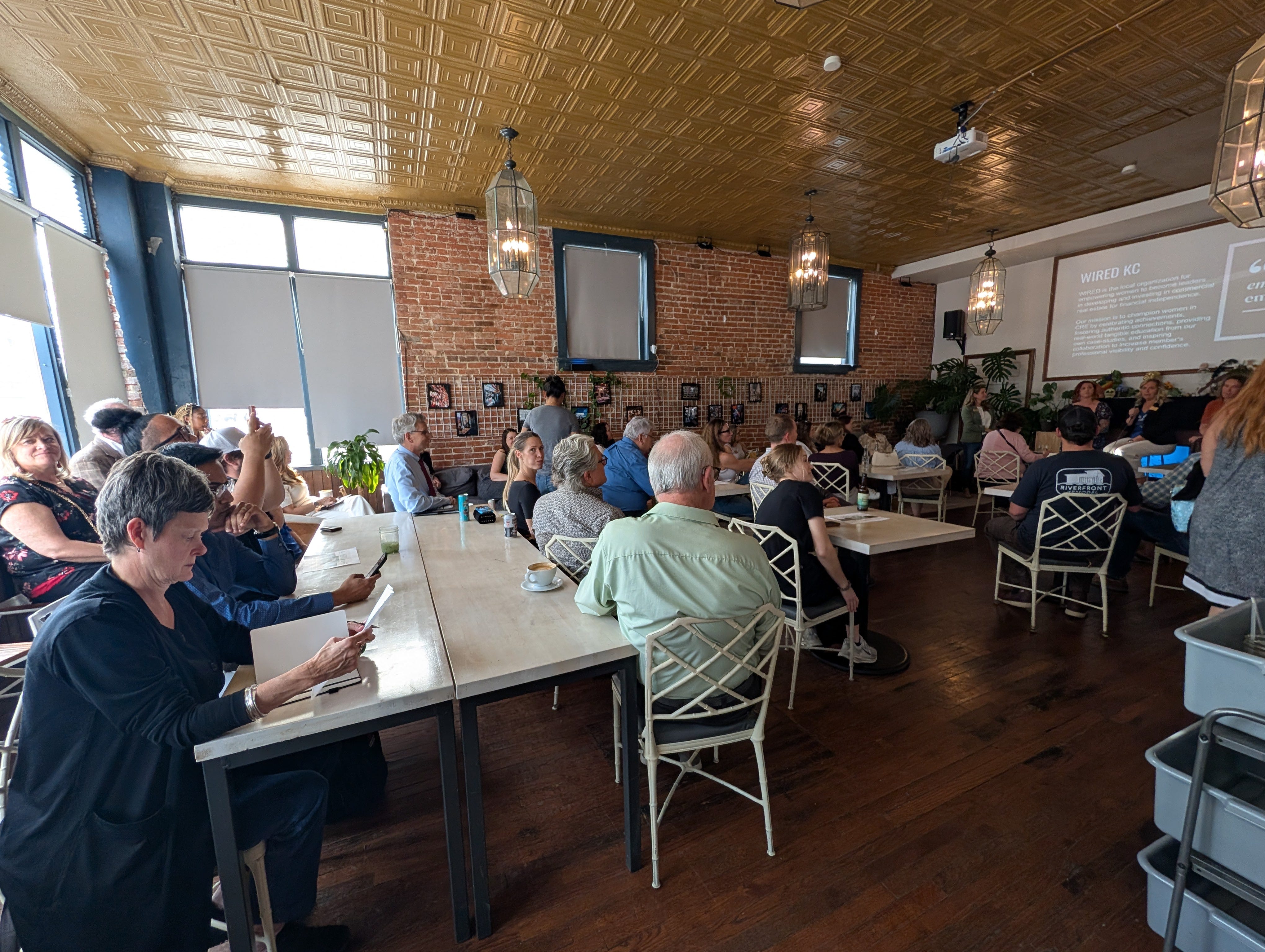
The meeting space matters. People are more willing to share honest experiences in informal environments than in formal institutional settings. In-person meetings are important because small-scale development involves risk, uncertainty, money, and mistakes. Those conversations work better face-to-face.
Coffee shops, breweries, and other “third places” usually work better than government buildings or conference rooms. People tend to speak more openly in casual environments.
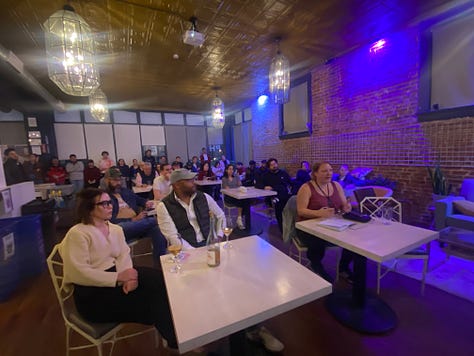
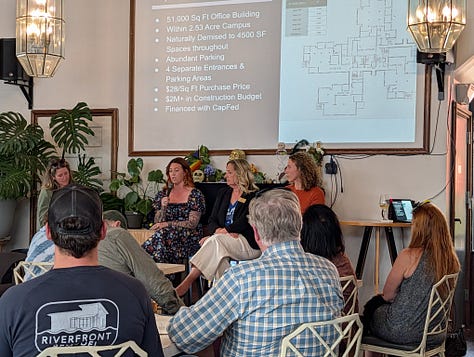
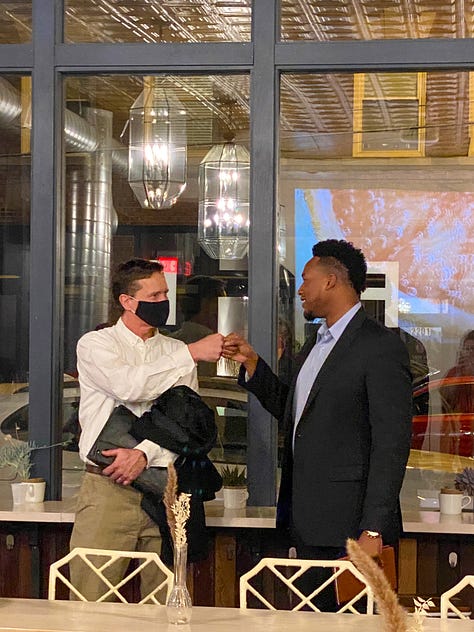
In Kansas City, we meet monthly at PH Coffee. A few decisions helped make the meetings sustainable:
No membership requirement
No entry fee
Same location every month
Same general schedule
Minimal setup requirements
If the meetings require too much effort every month, they will not last. Most of the work happens upfront:
Scheduling speakers
Finding sponsors
Setting dates
After that, maintenance should be manageable. The goal is consistency, not production value.
Meetups usually cost something, even if the budget is small. Typical expenses include:
Website hosting
Email software
Venue costs
Marketing
Instead of creating a nonprofit, consider partnering with an existing organization that can accept sponsorships on your behalf. In Kansas City, we partnered with Midtown KC Now. This reduced administrative overhead while allowing us to raise sponsorship funding.
Many local businesses benefit from stronger local development activity and may support the group financially. Even small sponsorships help.
Potential sponsors include:
Local banks
Architects
Contractors
Attorneys
Brokers
Engineering firms
The monthly meeting is the core of the model. Regular gatherings also reduce isolation. Many people interested in small projects feel like they are figuring things out alone.
Set meeting dates in advance. Use a consistent location and recurring schedule. Then start lining up speakers. You do not need a full year of programming immediately. Start with a few months.
Many of the best speakers are not professional developers.
Talk to:
Lenders involved in small projects
Contractors working on rehabs
Architects
Small business owners who bought buildings
Brokers familiar with local properties
Planners and inspectors
These people often have the most practical knowledge.
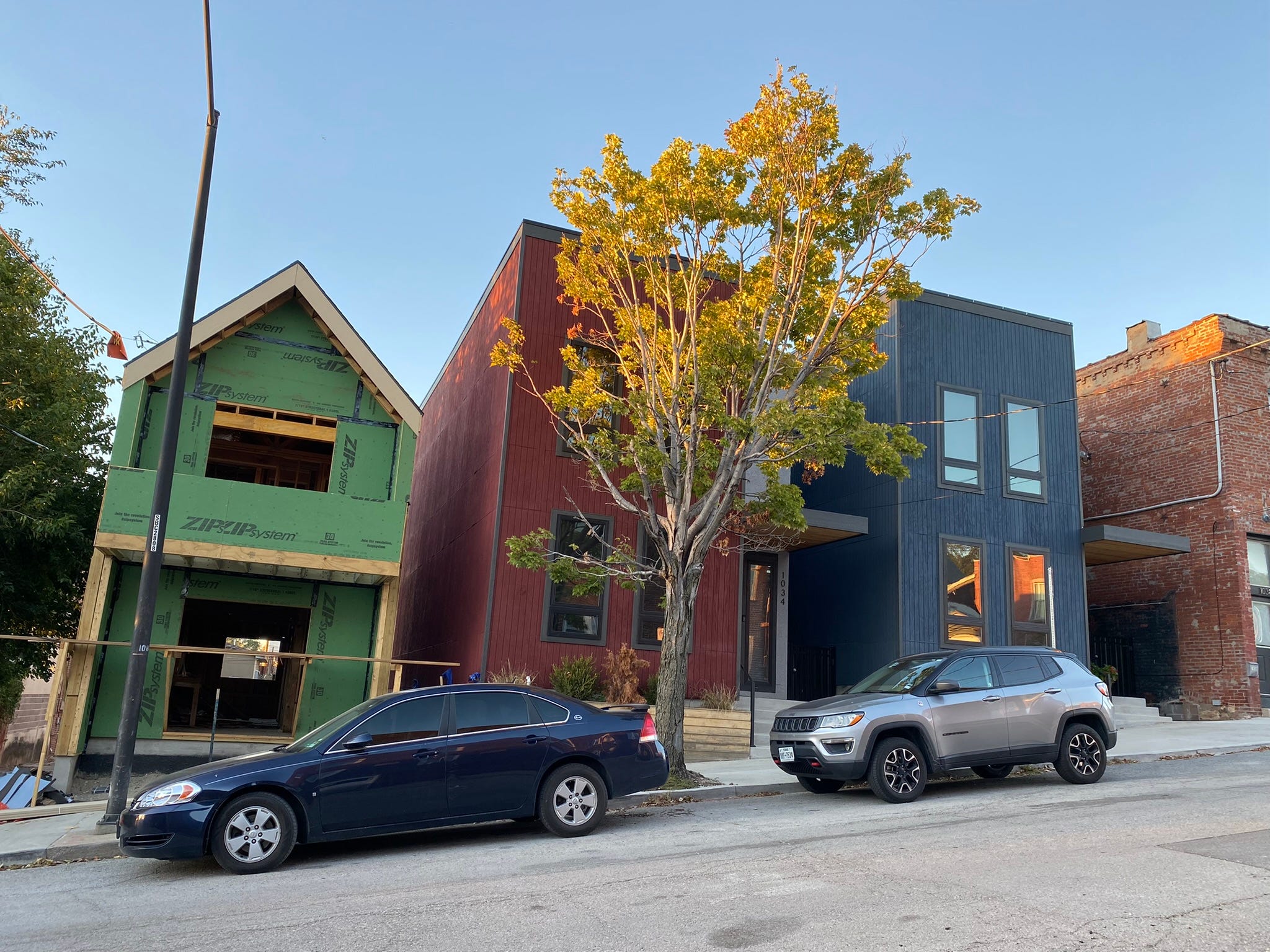
Good meetings focus on real projects:
What worked
What failed
What surprised people
What nearly killed the project
The goal is practical knowledge sharing, not real estate hype. There’s no “get rich quick” energy in this space. Authenticity is incredibly important.
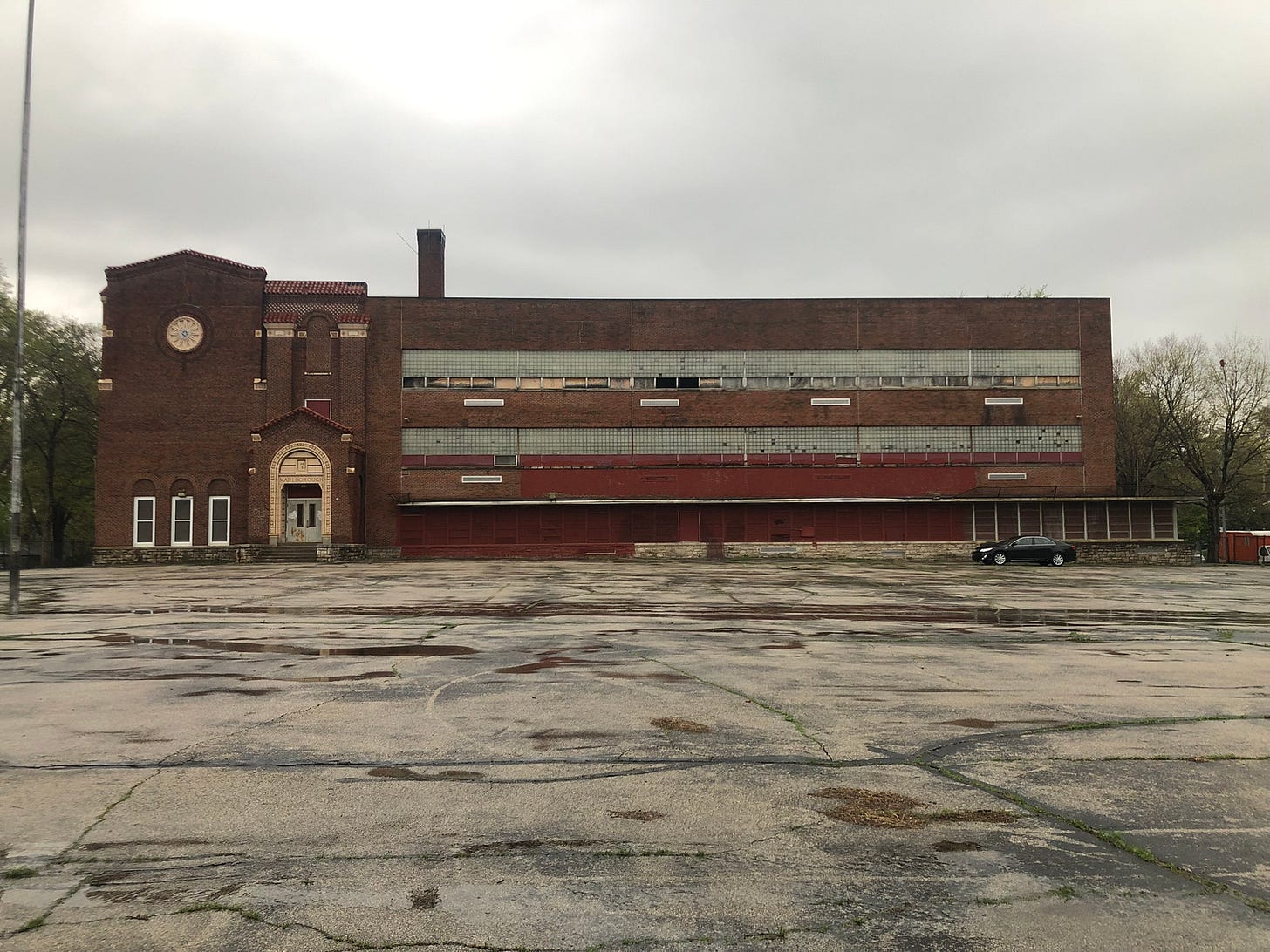
Simple formats usually work best. Formats can include:
Presentations
Q&A sessions
Panels
Informal conversations
One useful structure comes from Neighborhood Evolution’s 12 Step Program. If you aren’t sure where to start, I’d start there.
Most communities already have people capable of doing this work. They are just disconnected from each other. Getting people out of siloes is the real infrastructure behind small-scale development. A consistent meeting creates a place where those connections can form.
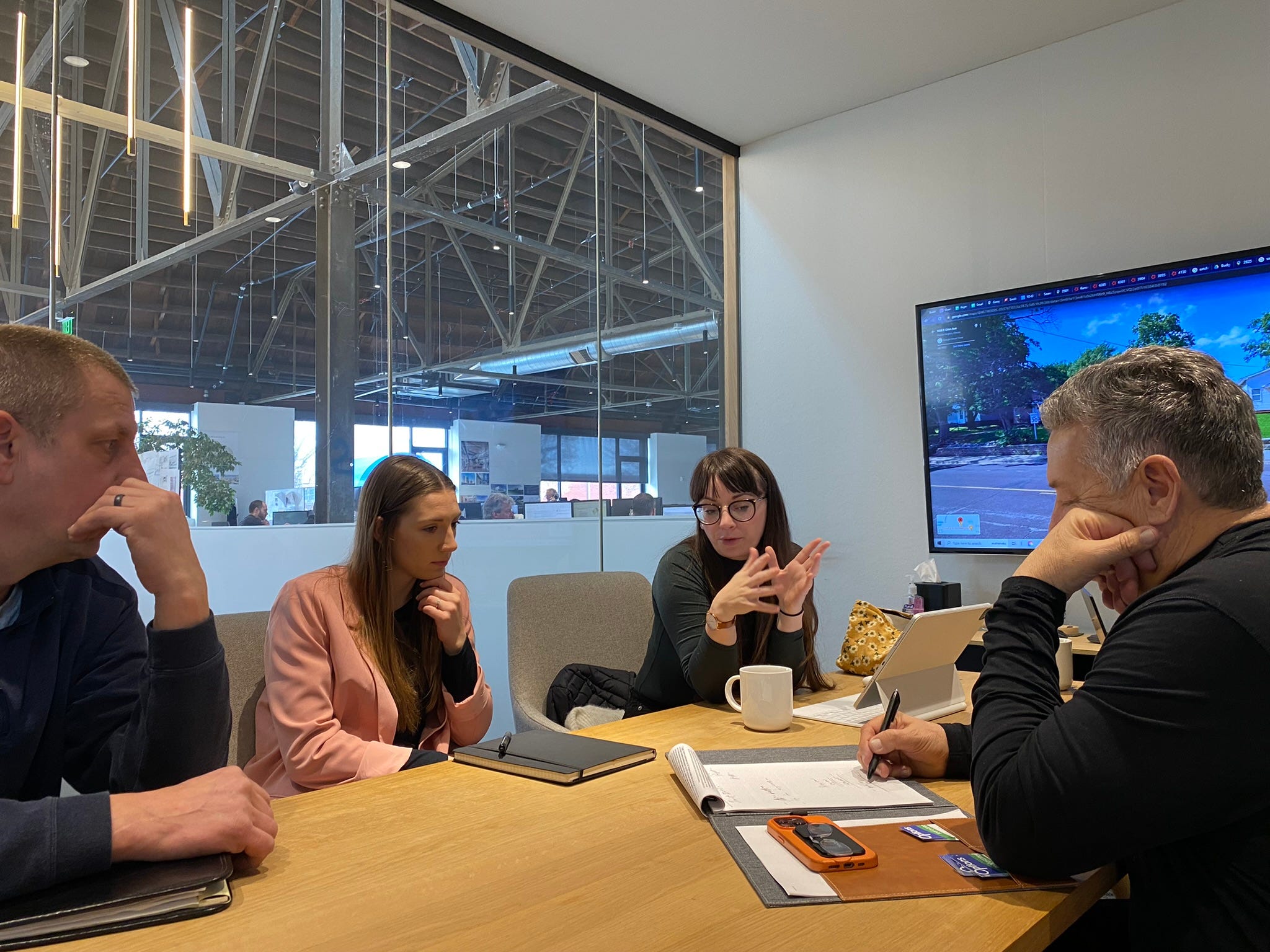
Over time, regular meetings create:
Shared language
Trusted relationships
Local knowledge networks
More confidence among first-time builders
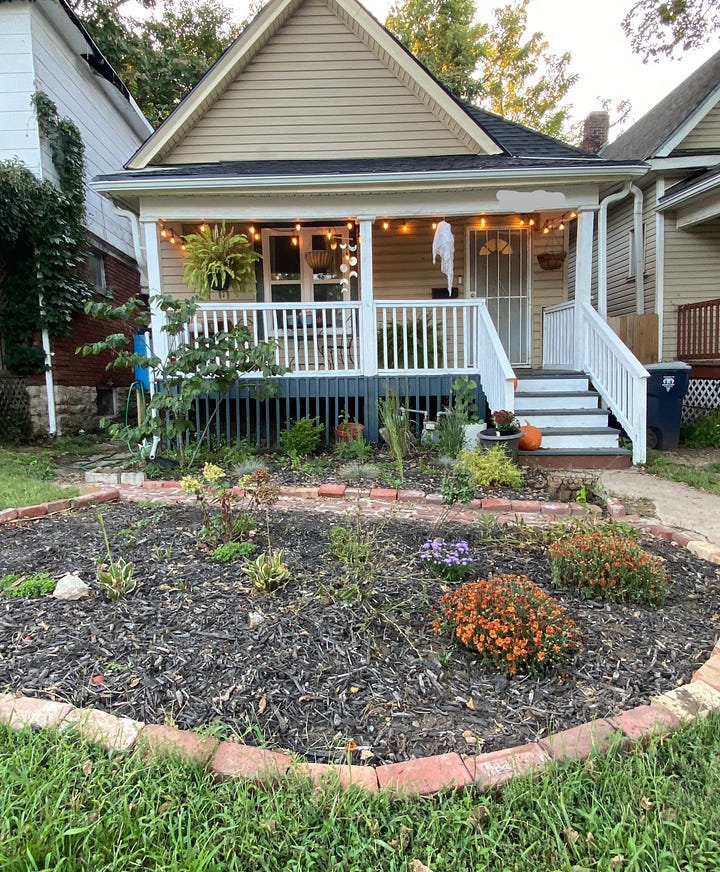
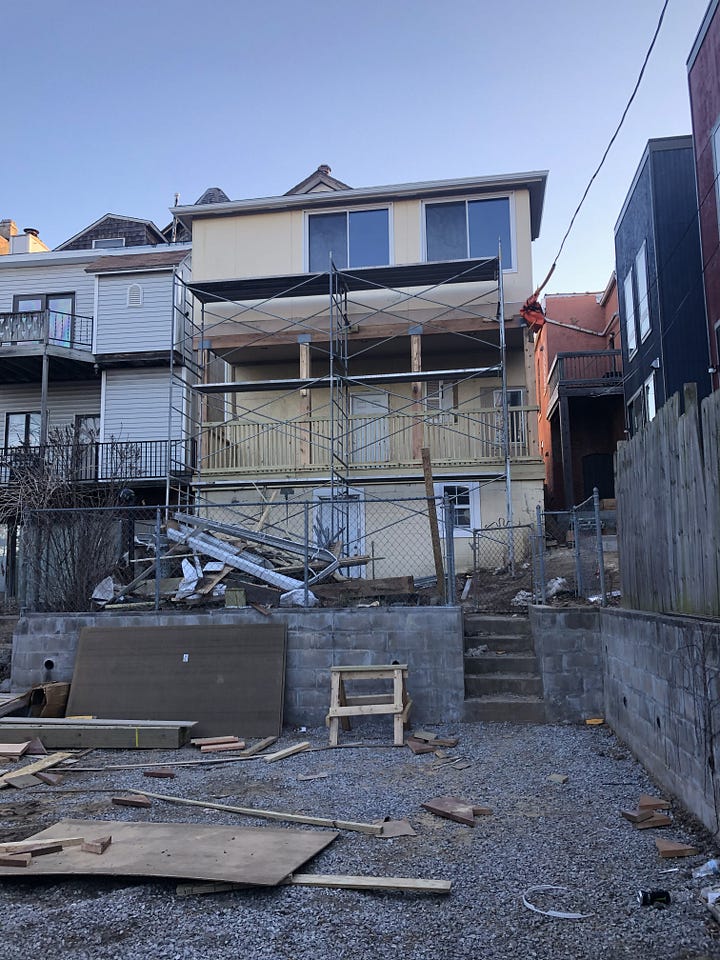
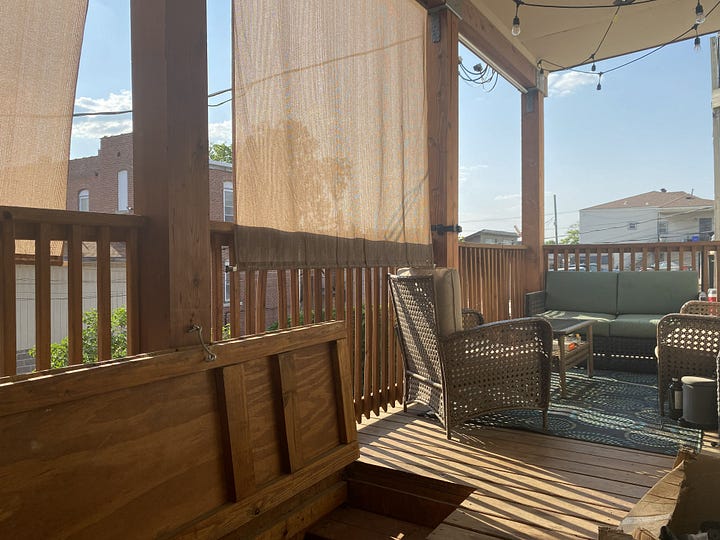
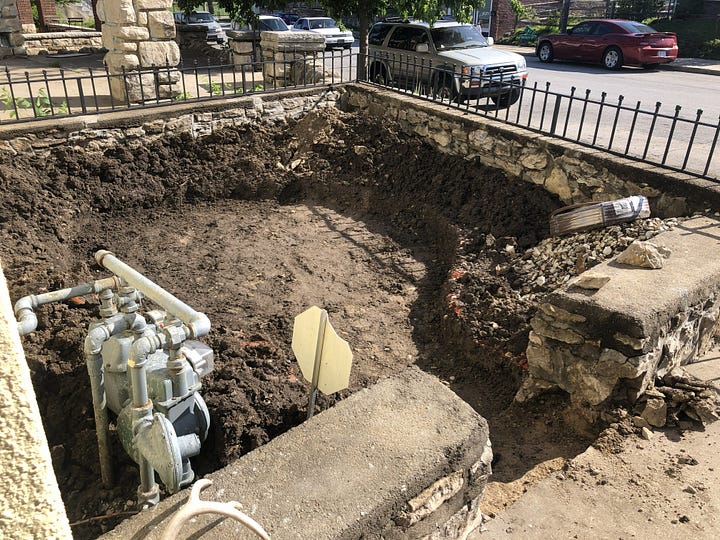
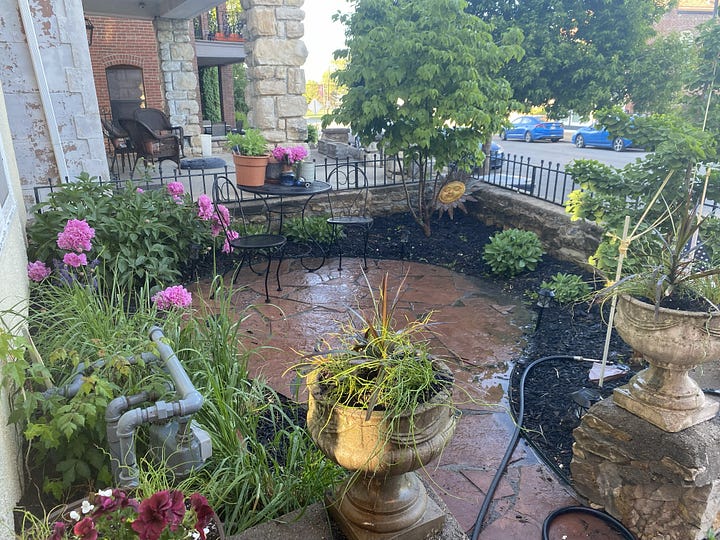
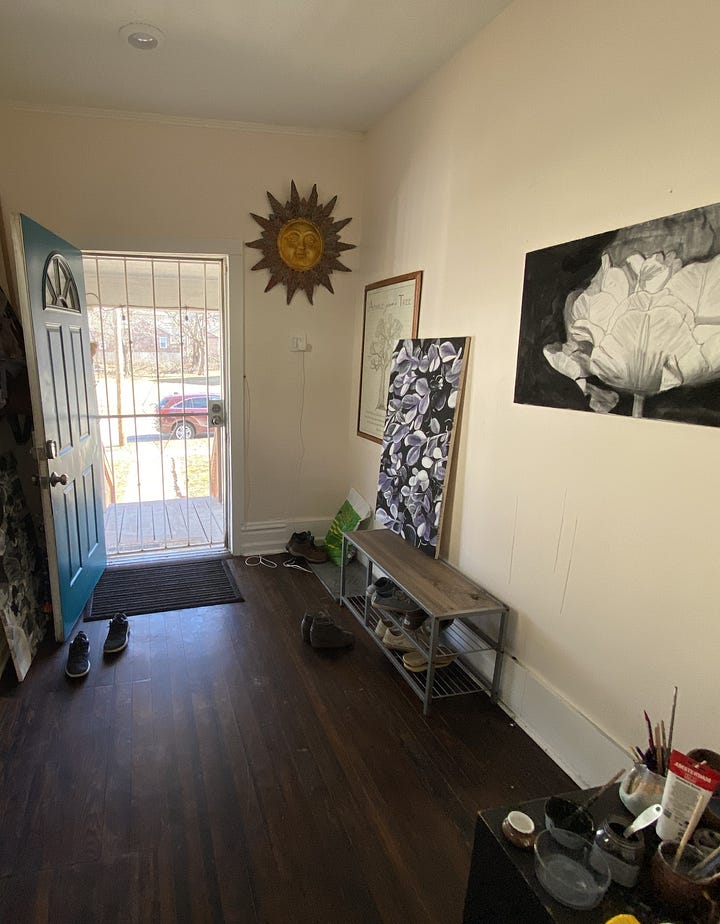
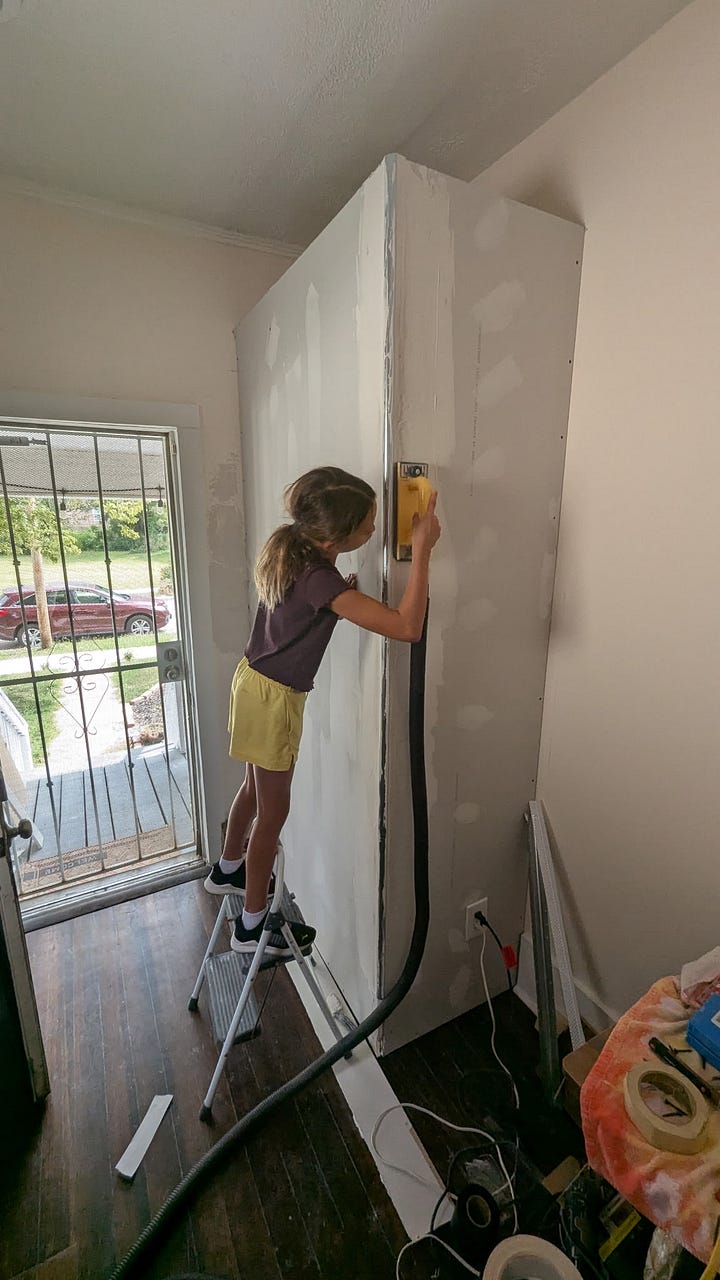
As a planner, I spend a lot of time thinking about how communities move from ideas and plans to actual implementation. Getting involved in small projects myself has become part of understanding that process more directly.
I’ve always been interested in older buildings and neighborhoods, but I’m also naturally risk-averse, especially when it comes to finances. Hosting these meetups over the last eight years gave me the confidence to start taking on my own small projects and putting my money where my mouth is.
When you build a community around this work, you stop trying to figure everything out alone. You know who to call when you hit a problem. You know who to hire. You remember lessons from other people’s projects and avoid repeating the same mistakes.
That kind of knowledge is hard to get from books, social media, or professional training alone. Most of it comes from conversations and relationships.
I’m still early in my own development journey. I have long-term goals, but I’m moving carefully and building experience over time.
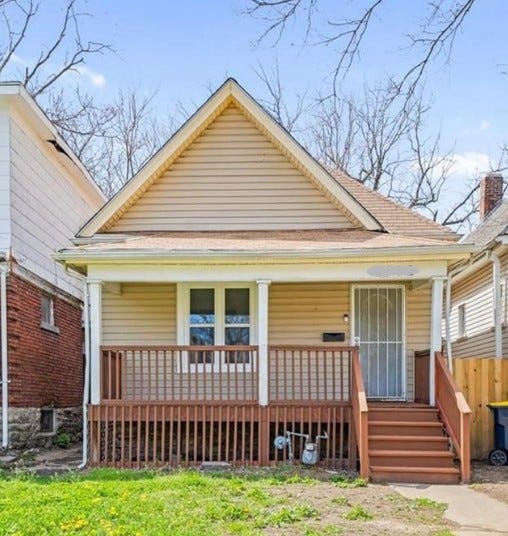
Zoning reform and policy changes matter. But they are not enough by themselves. Communities also need people prepared to take on small projects.
If you want more incremental development in your city, start by building a place where people can meet, share information, and learn from each other consistently. You do not need a complicated program. You need a room, a schedule, and people willing to show up consistently.
No posts
Comments
Nothing yet. Say the first thing.
Sign in to join the conversation.