
Dear Friends,
I recently wrote something I cared about deeply — a reflection on how casually we’ve started attributing words like agency, intuition, and consciousness to machines.
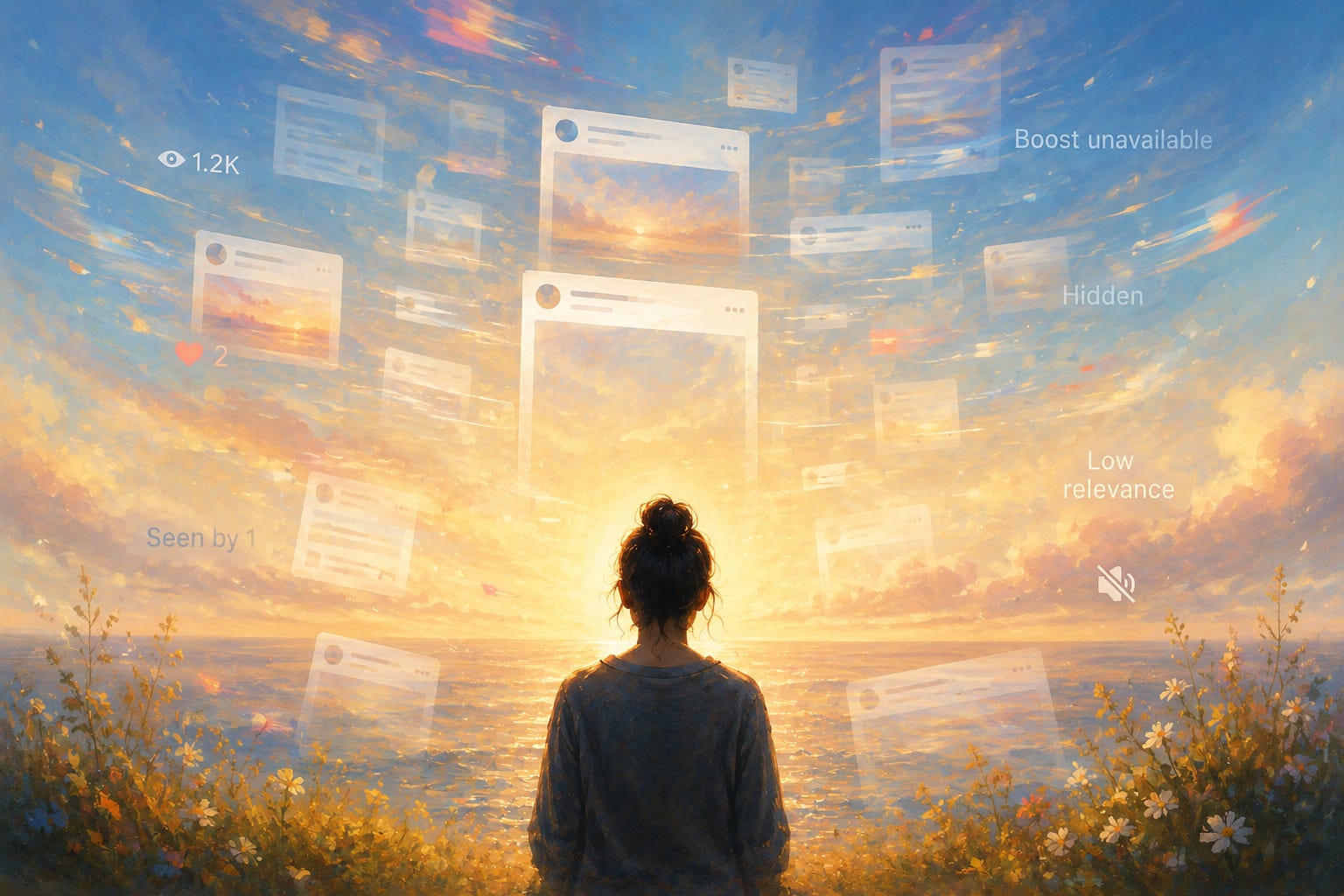
I posted it to LinkedIn, felt the familiar flush of vulnerability, and then…..crickets.
Not because the idea was wrong. But because somewhere inside an algorithm, a lever had shifted. Suddenly posts that once sparked lively conversation were quietly disappearing.
No one fully governs these systems anymore — not even the people building them. A friend at LinkedIn recently told me they have a literal “war room” trying to decipher what the algorithm is doing day to day.
I knew rationally the ghosting wasn’t personal.
And yet it felt personal.
Which shows me something about how deeply these platforms have embedded themselves in our psyches.
This isn’t a glitch; it’s the business model.
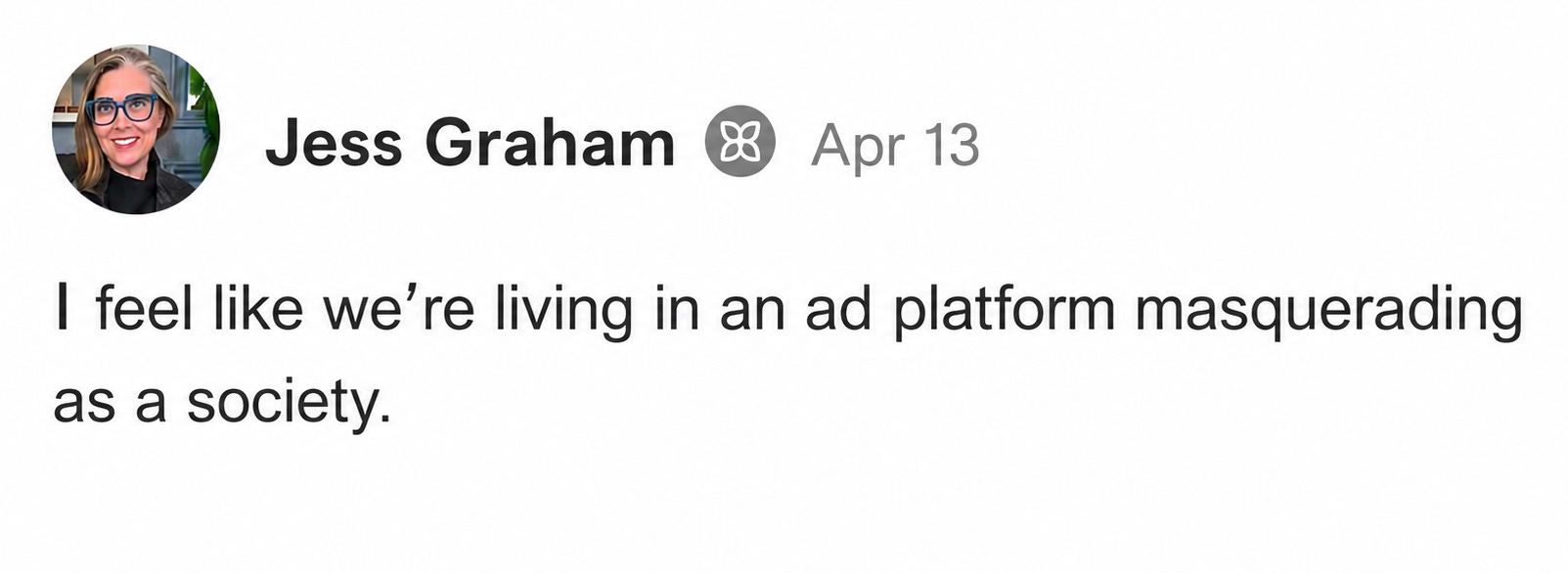
Many of us have handed over vital currents of presence, creativity and aliveness to systems optimized for addiction and extraction.
A few signals from this week on what we’re surrendering, and what becomes possible when we reclaim it.
I’m grateful you’re here,
Abby
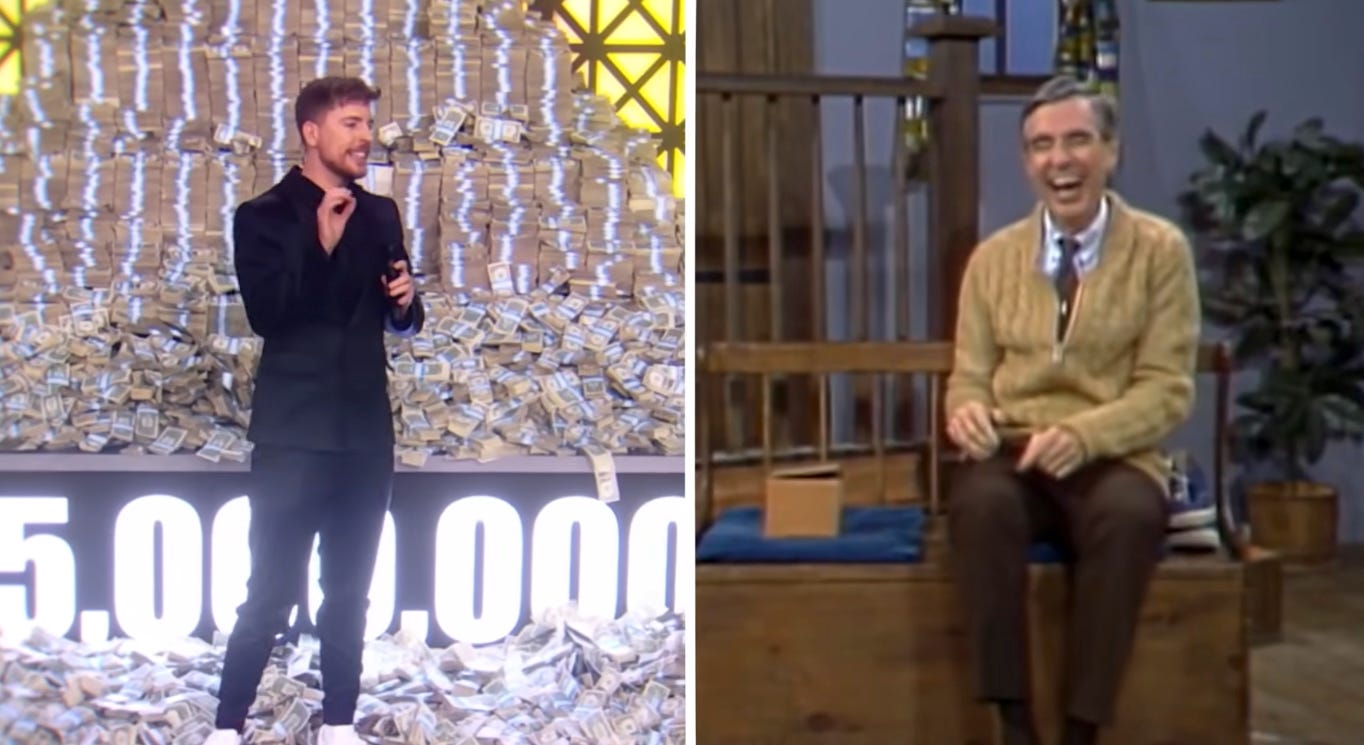
MrBeast is the most-watched creator on the planet, with roughly one in five young people on Earth subscribed to his channel. A leaked internal memo, with operating instructions for his team, included this line: “Show no hesitation. Silence is failure.”
This new video, MrBeast is What Fred Rogers Warned Us About, is worth your 20 minutes — especially if you have kids, teach kids, or were once a kid raised on something gentler.
Mr. Rogers made 895 episodes of a slow, quiet show. He’d spend a full minute on screen tying his shoes. He believed children deserved to be respected, not optimized. By today’s algorithmic metrics, his show would disappear.
MrBeast is the inverse engineering. Every cut is a hook. Every thumbnail A/B tested fifty times. Energy never dips. The whole architecture is built around one question: not what is this teaching? but how much attention can we extract?
My friend Tanyella Leta (who’s building Maka Media to help kids learn by respecting, not fracking, their attention) named the thing I’d been fumbling toward:
MrBeast isn’t the problem. The system that rewards him is.
Kids aren’t really choosing what to watch. They’re being pulled toward whatever is best engineered to hook them. And once they’re there, they’re shaped by it.
Mr. Rogers tied his shoes for a full minute on purpose.
I was recently introduced to Truitt Flink, a Stanford sophomore co-creating Landline — a peer-to-peer effort helping young people build healthier relationships with technology.
I loved her pitch: “I mean, who wouldn’t want to get more sleep and have more time with actual friends?”
Earlier this year at The Flight School, we launched an experimental course called Attention & Agency Lab where we gather weekly to practice relating more wisely to technology. Grayscale phones. Social media detoxes. Noticing the physical sensation of reaching reflexively for a device.
One of our Fellows recently reflected: “I realized I wasn’t bored without my phone. I was grieving the loss of constant stimulation.”
I’ve started thinking that reclaiming our attention may be less about discipline and more about devotion.
Choosing, again and again, what we want our lives to belong to.
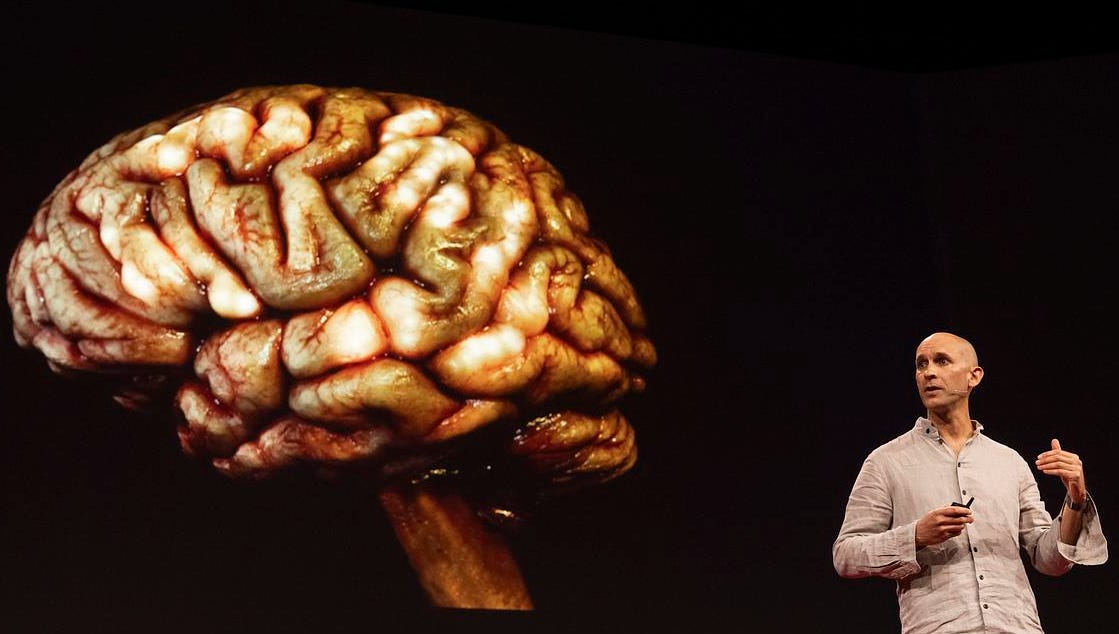
Of all the talks I heard at TED this year, neuroscientist Anil Seth’s is the one I’m thinking about most: Why AI can’t be conscious.
Seth made what felt to me like an irrefutable case: consciousness isn’t a threshold AI will eventually cross simply by becoming smarter.
Because consciousness depends on aliveness. On flesh. On metabolism. On the primal, felt sense of being a vulnerable creature moving through time.
Language models reflect us back to ourselves with astonishing fluency because they’re trained on everything humans have ever written about being human.
But the metaphor is not the mind. The simulation is not the thing. The map is not the territory.
No amount of data can conjure the bitterness of coffee. The rush of love. The ineffable feeling of simply being here.
When we blur the distinction, we’re not just overestimating the machines. We’re underestimating ourselves.
The real danger isn’t machines becoming conscious. It’s us becoming less so.
Since hearing this talk, I’ve made a commitment to call things what they are:
Machine agency.
Simulated intuition.
Artificial consciousness.
Dazzlingly capable. Definitively not alive.
Thoughts on this new format? Signals I should be tracking and amplifying? I’d love to hear from you. ✨
Comments
Nothing yet. Say the first thing.
Sign in to join the conversation.