
This week has gone by in a flash, and I feel that I’m accomplishing so much that I can’t go into detail about it all in just one post, but I’ll try my best.
My flying took another small lull, as the weather wasn’t ideal, but I did get to fly cross-country again yesterday, which was very interesting as you have to change through a lot of different ATC controllers. I’m still set on getting my pilot’s license, even if it’s taking me a little longer than planned.
I’m going to talk about everything a little out of order this week as it flows better from one topic into another. Firstly, I forgot to say this last week, but I read and finished the Trial and Death of Socrates which was similar to Gorgias, but dealt with different themes such as moral integrity over survival, justice, piety and finally, the immortality of the soul. I also finished Machiavelli’s The Prince, all about the “good” practices of a prince (or any other tyrannical despot). Whether you agree with them or not, Machiavelli lies down some very important guidelines and ideas that any prince should follow:
The Ends Justify the Means: One of the book’s most well-known lessons is that a ruler’s main responsibility is to maintain the security and stability of the state. Immoral actions, including lying or using violence, are deemed politically acceptable if they are required to accomplish this.
Inspire Fear: Machiavelli famously contends that, although it is ideal to be both, if one must choose, it is preferable to be feared rather than loved. Love is erratic and motivated by duty, while fear is sustained by the unwavering threat of punishment.
Prevent Hatred: A prince must absolutely refrain from becoming disliked, although he should be feared. Seizing his subjects’ property or women is one of the easiest ways to incite hostility, according to Machiavelli.
Be Like the Lion and the Fox: A successful ruler must imitate two animals: the fox, which uses cunning and trickery to spot traps, and the lion, who uses force to frighten away wolves.
Extort Virtù and Fortuna: Machiavelli employs virtù (virtue) to characterize a ruler’s motivation, skill, and aptitude, and fortuna (fortune) to characterize the erratic luck or situations they encounter. A great leader prepares for or masters Fortuna’s shifts with their virtù.
Have Self-Reliance in your Military Power: According to Machiavelli, a ruler should never depend on auxiliary troops or mercenaries since they are hazardous and disloyal. Rather, the foundation of a stable state must be its own devoted, skilled populace and armed forces.
Now after reading all of this, if you feel primed to become the most feared and mightiest dictator that ever lived, ruling all who inhabit your land with an iron fist, crushing any and all whosoever would dare oppose you, then I guess that’s totally valid. But in the case that I’m the only one who feels like that, I’m going to share my own interpretations with some solid examples of lessons that we can apply to our everyday lives from this book. Here’s what I have distilled down from each of the lessons in the book:
The Ends Justify the Means - Maintain balance and security in your family. This means putting family first, before friends, even if it inconveniences others a little bit. Your family is everything, and they should come first.
Inspire Fear - Inspire respect. Be so great that your allies, and even your enemies, respect you. Whether this being greatly skilled, honorable, courageous or just outright awesome, it should mean that you can handle yourself with a level of knowledge and dignity that even your foes would respect.
Prevent Hatred - This is an easy one, just be kind.
Be Like the Lion and the Fox - Be strong in both body and mind. Go to the gym, learn a martial art, and eat healthy. Counter balance these by learning a new language or playing chess and also not dumbing yourself down for others. Seek to conquer physical obstacles and limitations, and to comprehend the workings of the world around you.
Extort Virtù and Fortuna - Be virtuous, striving to embody courage, wisdom, diplomacy, stoicism and justice, and also seize opportunities when they present themselves.
Have Self-Reliance in your Military Power - Be your own one man army. Learn the skills and trades necessary so that no one can stop you in achieving your goals and highest callings.
Now you can see that this book applies to everyone, and it truly embodies the aspect of both the Renaissance prince and the common Renaissance man. I’ve seen this over and over again in the Italian Renaissance Great Course I’ve been studying, with the same qualities reflected in despots like Savonarola and Alessandro de’Medici, who ruled with insanity and ire, but also in strong, practical, ethical men like Castiglione and Lorenzo de’Medici who reigned with a steady hand and never tried to take more than what was allotted them. You can also see these principles at work in the great artists of the time, with Leonardo da’Vinci being the quintessential example of this. He constantly strove for greatness in his work, and didn’t just limit himself to a small field, becoming a “specialist” in one area. No, instead he mastered every task that was set before him: painting, sculpture, inventing and more. That’s really what I’m trying to embody as I go through this program: becoming a Renaissance man.
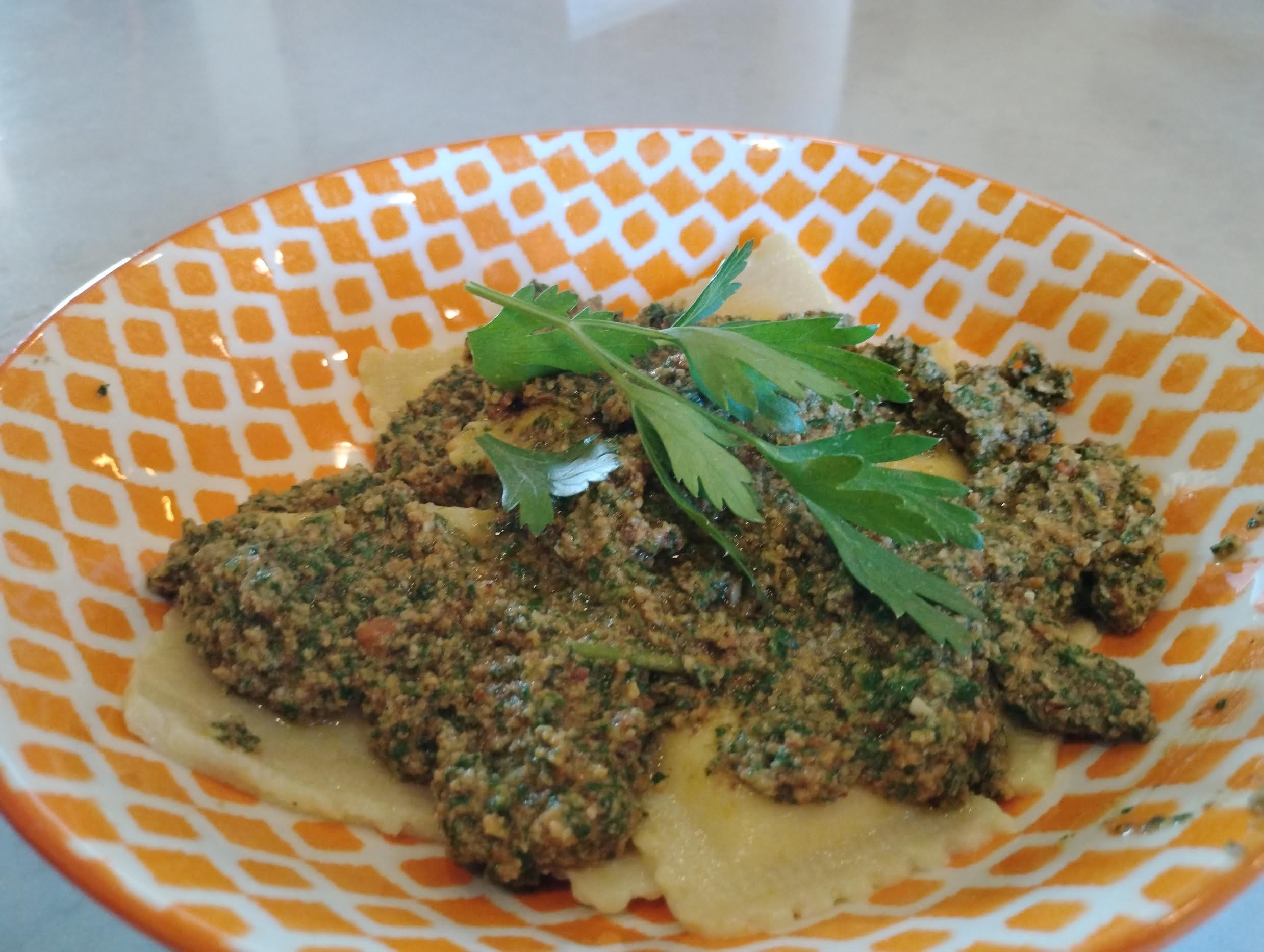
On top of all of that I’ve started one of my Great Courses on cooking, Cooking Across the Ages, which has been very interesting so far. I’ve learned about foods from ancient Rome, Imperial China, Medieval Egypt and the Germanic Vikings. Additionally, I cooked a couple of simpler dishes this week, making eggs benedict and canadian bacon with hollandaise sauce, along with some buttermilk biscuits that I made from scratch. I also made a walnut pesto which I served on ravioli. Lastly, I made nachos one night for dinner, but that didn’t really count as one of my dishes although it was still good practice in the kitchen.
I’ve also been trying to keep up with my Italian, regularly attending my youth group’s swing dances on Tuesday nights, and writing whenever I have time. I’ll leave off here, I just hope you’ve learned a little something from all my posts, and I’m grateful that anyone reads them at all.
All the best - Abbott Springston

No posts
Comments
Nothing yet. Say the first thing.
Sign in to join the conversation.