
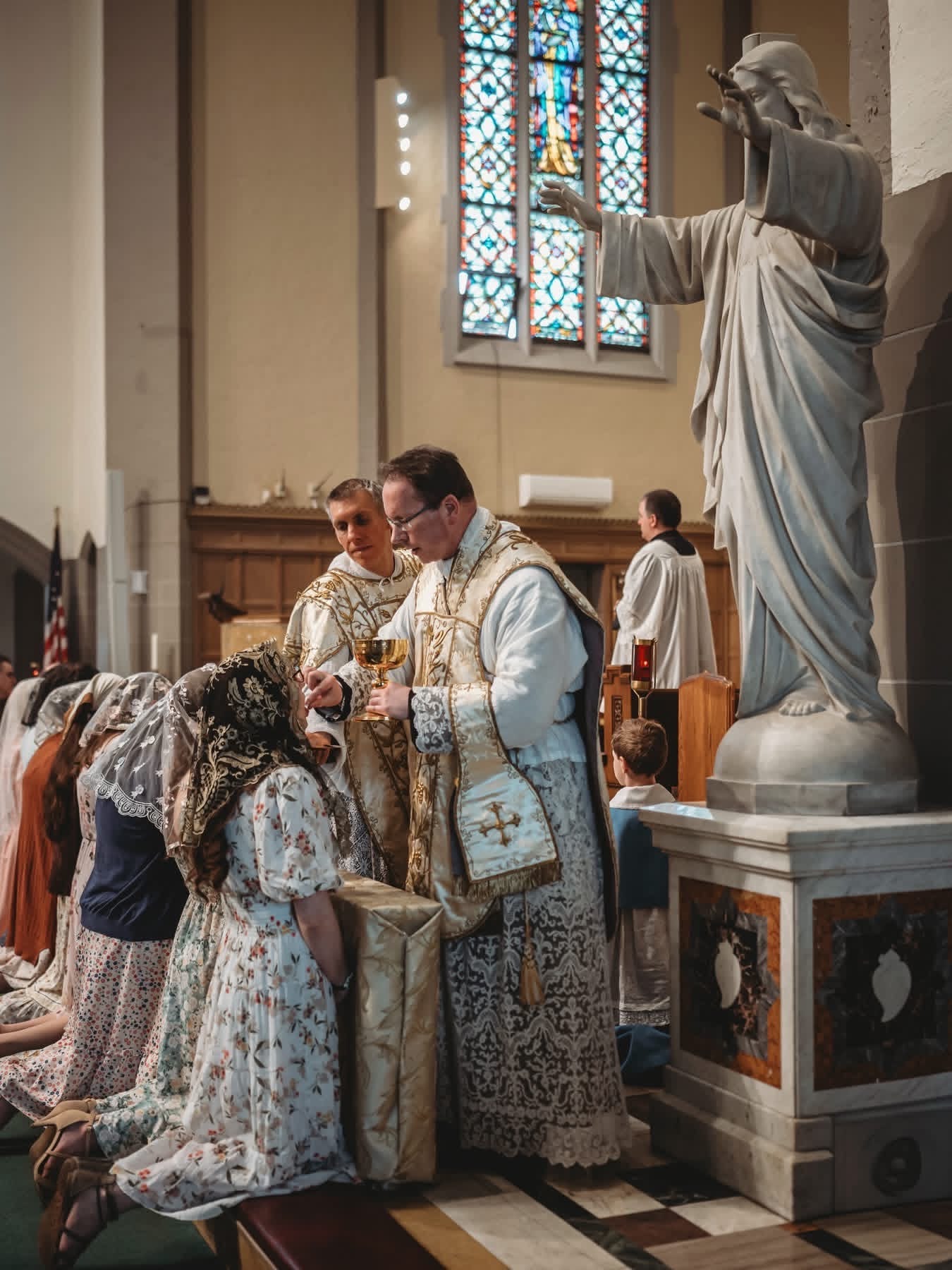
For those familiar with the Society of Saint Pius X (SSPX), the organization is identified by its commitment to the Traditional Latin Mass and pre-conciliar Catholic doctrine. However, a common point of confusion for external observers is the specific function of the Society’s bishops. Within the SSPX’s internal framework, the presence of its own bishops is not a matter of administrative preference or political defiance; rather, it is viewed as a fundamental requirement for the ongoing survival of the traditional Catholic life.
The most immediate pastoral role of the SSPX bishop is the administration of the sacraments reserved to the episcopacy. The Sacrament of Confirmation is a prime example. For thousands of families within the Society, the traditional rite of Confirmation is not merely a preference; it is the rite they trust for their children’s spiritual development.
Without bishops to travel across the globe to visit SSPX chapels and schools, these thousands of children would lack access to the traditional rite of Confirmation. The bishops function as the vital link that ensures the sacramental life of these children remains intact, maintaining a consistent theological and liturgical continuity from one generation to the next.
Perhaps the most critical role of the SSPX bishop is the ordination of new priests. The survival of any religious order depends entirely on the replenishment of its clergy. In the Catholic tradition, the ordination of a priest is valid only when performed by a bishop through the laying on of hands in apostolic succession.
For the SSPX, the traditional priesthood requires a specific formation: a formation rooted in traditional philosophy, theology, and the rigorous discipline of the Latin Mass. The bishops serve as the gatekeepers of this formation. By ordaining men who have been formed in their seminaries, the bishops ensure that the Church’s ancient liturgical and theological identity is not lost or diluted. They are, in effect, the beating heart for the traditional priesthood, ensuring that the chain of ordination continues unbroken, regardless of the broader ecclesiastical climate.
The SSPX does not view its bishops as counter-bishops in a schismatic sense, but rather as guardians of the patrimony. Their function is to provide the legal and sacramental structure necessary for the traditional life to exist. By offering confirmation to the youth and ordaining new generations of priests, these bishops provide the necessary infrastructure to preserve a form of Catholicism that the Society believes is essential for the future of the Church. For the SSPX, the bishop is not a symbol of independence, but the indispensable servant of the sacraments upon which the faithful depend.
Ultimately, the role of the SSPX bishop is that of a steward, tasked with preserving a sacramental life that is foundational to the identity of the Society. It is important to recognize that this structural necessity need not be an insurmountable barrier to reconciliation. The Holy Father could, in theory, grant approval or recognition to these bishops without this gesture functioning as an automatic endorsement of the Society’s specific critiques regarding the crisis in the Church. By focusing on the pastoral care of the faithful and the undeniable need for the traditional sacraments, a path exists where the Pope could welcome these bishops into a formal role, effectively healing the breach while allowing for a continued, distinct witness of traditional liturgy and theology within the broader life of the Church.
Image courtesy of Latin Mass Photographer
No posts
Comments
Nothing yet. Say the first thing.
Sign in to join the conversation.