
In today’s article, we will discuss the emotions that a trader goes through in the different stages of the market and how being aware of those emotions can give you directional cues for price action.
Most conventional wisdom regarding trading treats emotions as something to be done away with. Something that clouds your judgment and makes you error-prone. Detachment from feelings is usually the prescription, which leaves most people confused or frustrated about why they can’t do the same.
I, on the other hand, do not consider emotions in trading as a burden. I consider them an important data point that the trader can use to improve his decision-making.
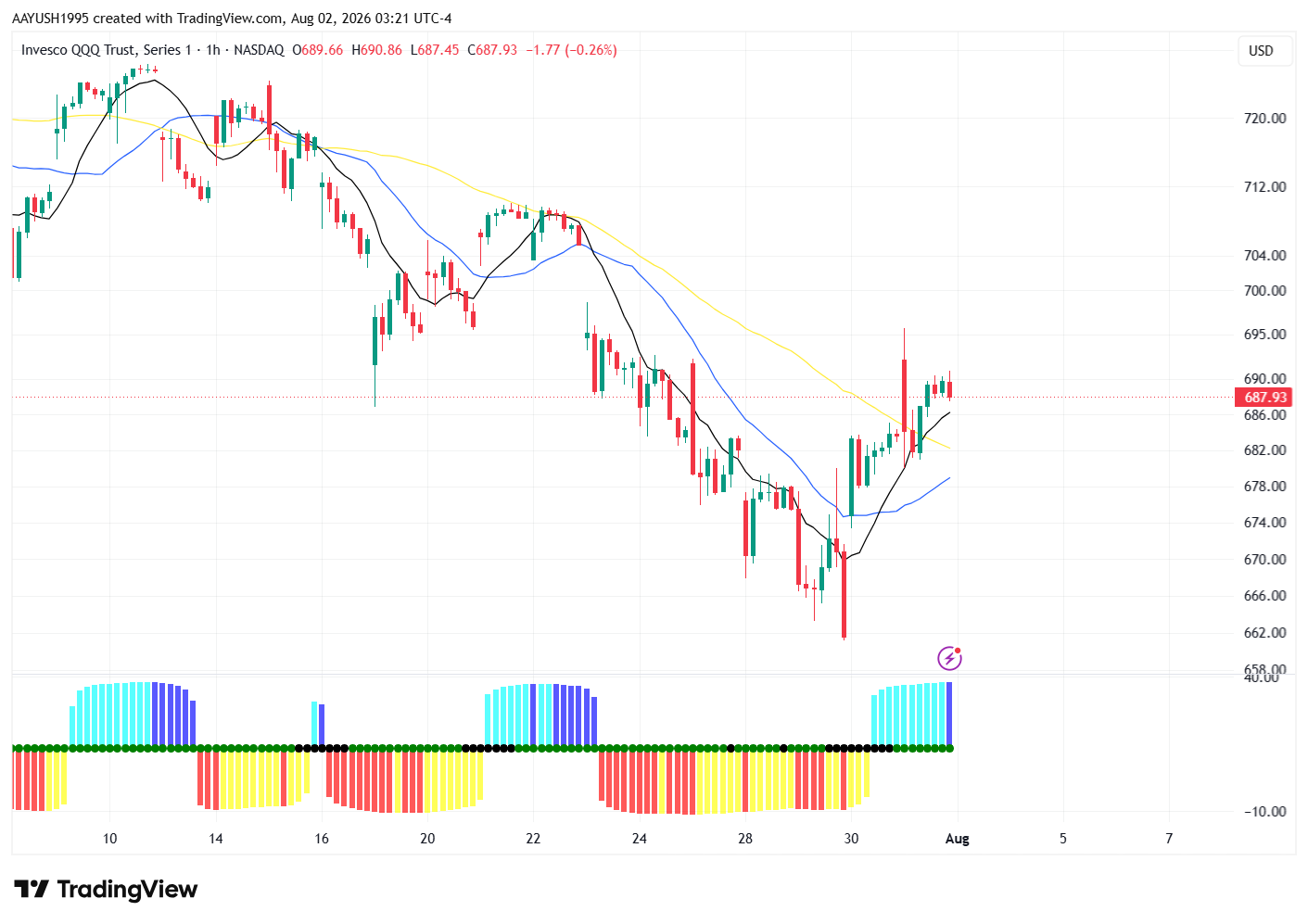
How many of you wondered why price action felt so painful by the time Wednesday close came around? What was it that made people in long positions suffer, and people in no positions couldn’t believe the extent of the market selloff?
Pain or amazement was the emotion, and you can anchor it to the cause, aka the inability of price to go above 21hma in five sessions.
We saw the exact inverse of this when the markets had the insane rally back in April and May.
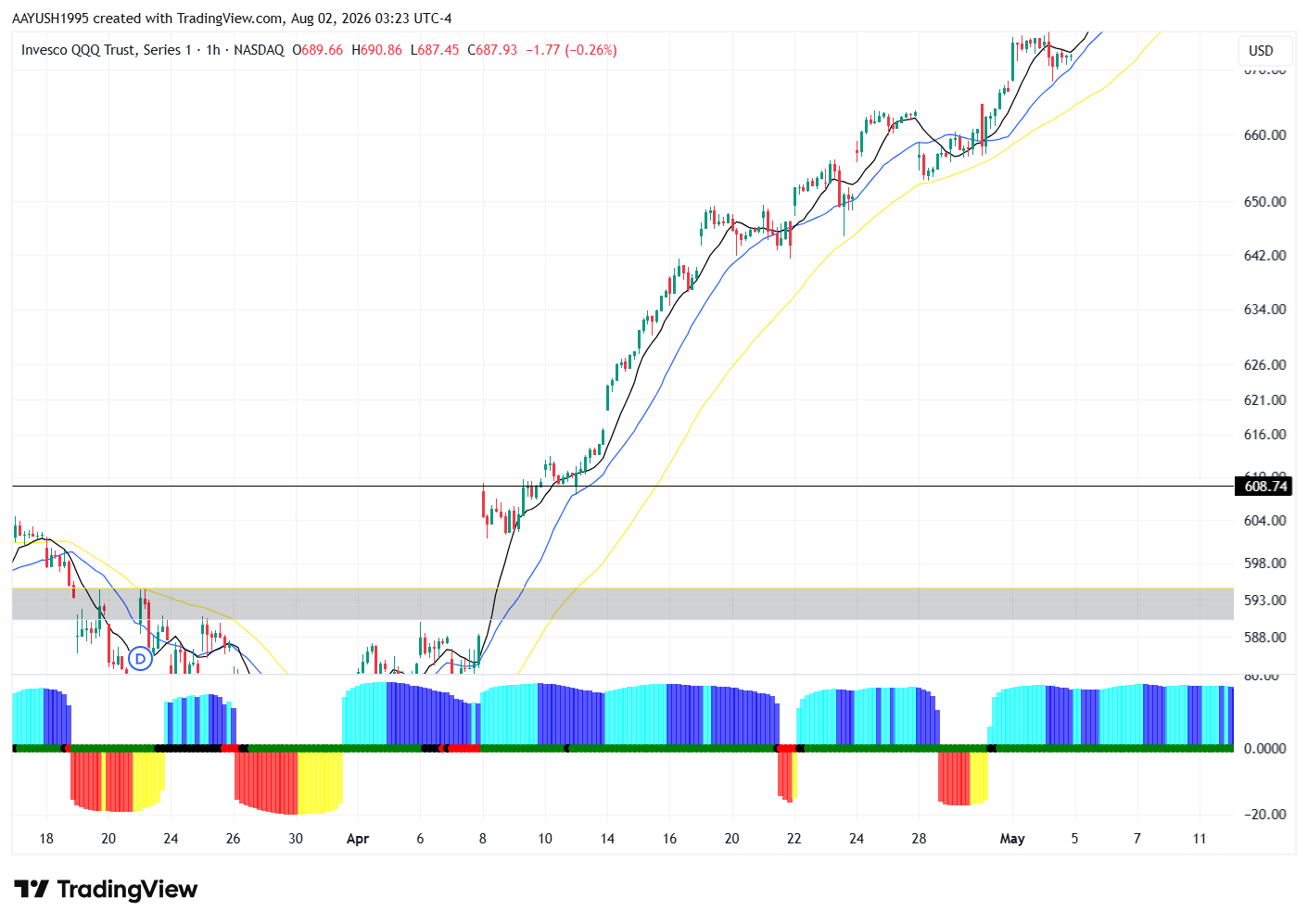
At that time, those in long positions were full of joy, while those with no positions were left confused and amazed by the strength of the rally. We went 9 sessions without touching the 21hma. The size of the move was similar, though. Price just moves much faster to the downside than the upside.
Two stages of the market, exact opposite of each other, and now you have a visual to anchor to the feeling that such a market stage gives you. Can you use that to your advantage in the future? I certainly hope so. You can see how feelings weren’t a drain but an important data point for positioning yourself.
Alright, so we have covered the emotions associated with a strong bullish and bearish move. Elimination itself will help you identify other phases, but we can go through them one by one.
One thing you must have noticed in the 2 examples above is that the 21hma slope was aggressive. Now let’s discuss the feelings during chop. Chop comes in two varieties: volatile and calm.
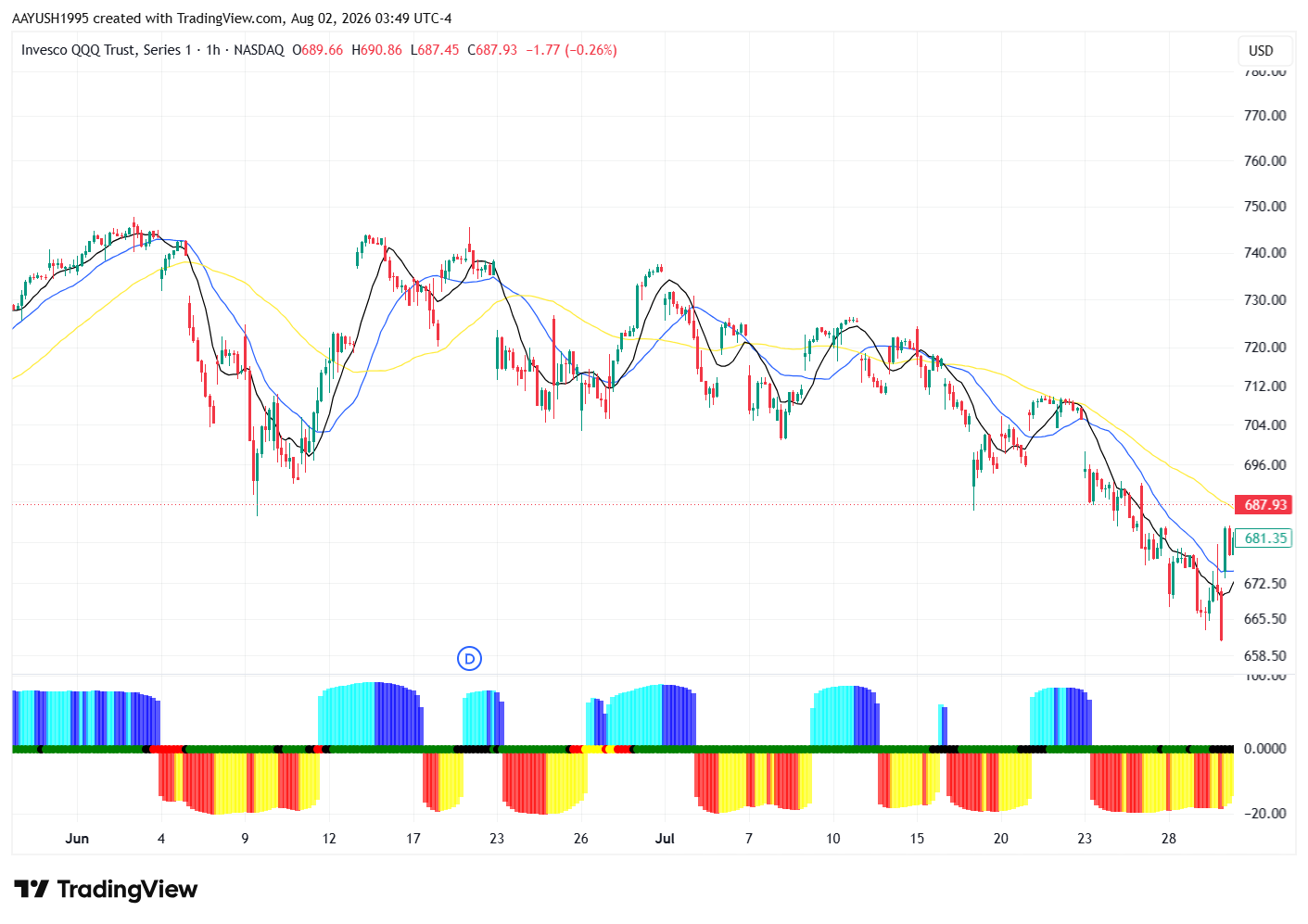
Volatile chop, as was the case in the second half of June and the first half of July, gives scalpers enough action to keep them entertained and frustrates swing traders, as plays appear to be setting up only to fail. To the contrary, it’s the non-volatile chop which is the worst emotionally for scalpers. That’s because in non-volatile chop, scalpers have plays that set up and fail right after, while swing traders don’t do a thing.
Now that we connected a visual chart pattern to the emotions you might feel during different market phases, you would know how to use that info to make better decisions, given the premise that strong trends move to consolidations and vice versa, just like days move to nights and the other way around.
Until next time Gs!
No posts
Comments
Nothing yet. Say the first thing.
Sign in to join the conversation.