
In some ways, the genesis of my annual Europe sojourn this year was laid by the banks of the river Ill in Strasbourg in July last year. Strasbourg, the capital of France’s Alsace region, is famed for its white wine. On a warm summer evening, as the sun set over Strasbourg, I found myself a table at L’Alsace a Boire, one of the city’s hippest wine bars, and quaffed glass upon glass of the region’s best-known grape varietals—rieslings, gewurtzraminer, sylvaner and Klevener de Heiligenstein. The day before I had visited the Cave Historique des Hospices de Strasbourg, a 14th century wine cellar that was restored to its pristine glory by a collective of 22 Alsace wineries. Here, an oenologist made me taste wine straight from an oak barrel—not something I had expected on a visit to the city’s civil hospital (I wrote about it here). I had enjoyed the experience so much that I decided, then and there, that in 2025 I’d return to France to explore some of its other famed wine regions.
And so on August 1, I landed in Dijon, capital of the Burgundy region, known for producing some of the world’s most prestigious white and red wines. That was to be followed by a four-night stay in Lyon, capital of the Rhone-Alpes region, a gateway to the Beaujolais wineries and France’s fourth-largest city after Paris, Marseilles and Toulouse. (Sidenote: the Lyonnaise believe they’re larger than Toulouse but the Toulousains think otherwise).
For a majority of Indian tourists, a trip to France would include stays in Paris and the southern part of the country. I’d already been to Paris in 2024 and the idea of getting roasted in scorching heat, even if it was on the French Riviera, didn’t particularly appeal to me.
When I was planning this trip sitting in the furnace that New Delhi becomes in May, I had some ideas which, in retrospect, seemed a bit too ambitious. The initial plan was to spend two days exploring Dijon and on the remaining two days, take day trips to explore Burgundy’s wineries. I’d planned to replicate this in Lyon too—two days for the city, two for winery-hopping in Beaujolais. But as the famous saying goes, the best laid plans of mice and men often go awry. I’ll come to that in a bit.
From the moment I landed in Dijon, I fell in love with it. Just the way the city looked was mesmerising. Cobblestoned streets, timber-framed houses, ornate facades, sloping red rooftops and an imposing Church of Notre Dame—it felt like walking through a picture-perfect postcard.
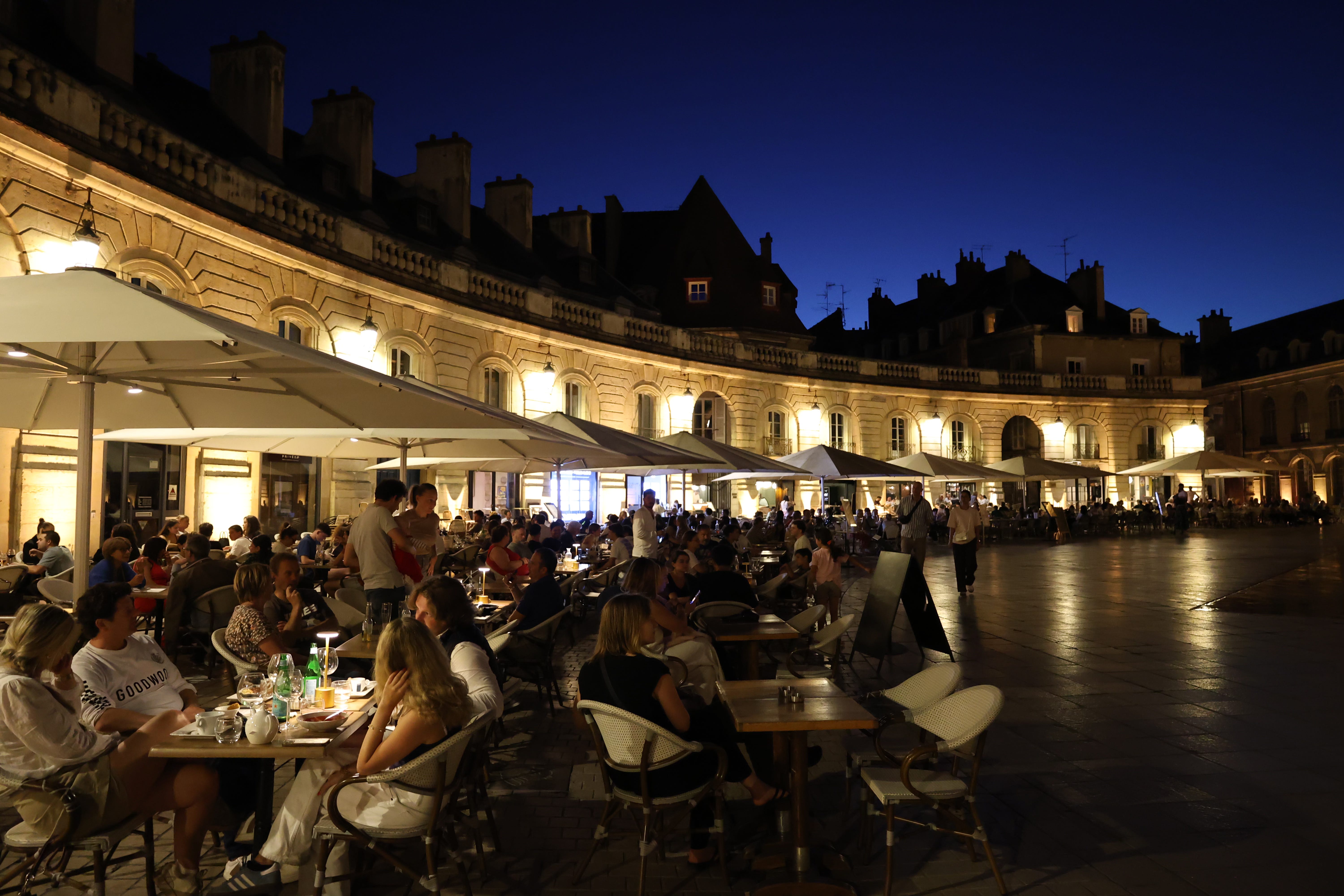
Since it was summer, restaurants and bars had al fresco tables on the streets, each packed with tourists from across the world. This mass congregation of nationalities had one singular purpose: to sample the best cuisine and wine the capital of Burgundy had on offer. The authorities governing Dijon seemed all too aware about this too. Nearly every touristy activity that had nothing to do with food or wine was either free or priced very reasonably. For instance, the city has five museums dedicated to archeology, fine arts, Burgundian life, sacred arts and to the artist Francois Rude. Entry to all of them is free. A 72-hour unlimited travel pass on Dijon’s excellent tram system that encircles the city costs just 9 Euros. The signal from the city was clear: spend the money saved on food and drink. After all, UNESCO added the “gastronomic meal of the French” to its Intangible Cultural Heritage list in 2010. And Dijon is as French as it gets.
Over the last decade-and-a-half, I’ve had the good fortune of visiting cities that are famed for their food. New York is home to possibly every cuisine from every country on the planet. It is almost impossible to have a mediocre meal in Florence, Naples or Rome. Some of the best Thai food is available in Prague and Berlin is home to the most melt-in-the-mouth doner kebabs. But what distinguishes Dijon from these cities is that it has tied its whole identity to gastronomy and wine. The Cite Internationale de la Gastronomy et du Vin is, quite literally, a shining example of this. From the outside, the all-glass facade of the building might make visitors think that it’s an office complex. But once inside, it reveals its true character as a homage to French gastronomy. There’s a bookshop, a movie hall, an immersive exhibition centre and workshop spaces, all centered around food and wine. In case this wasn’t enough of a tribute there is also a restaurant serving—what else—French food.
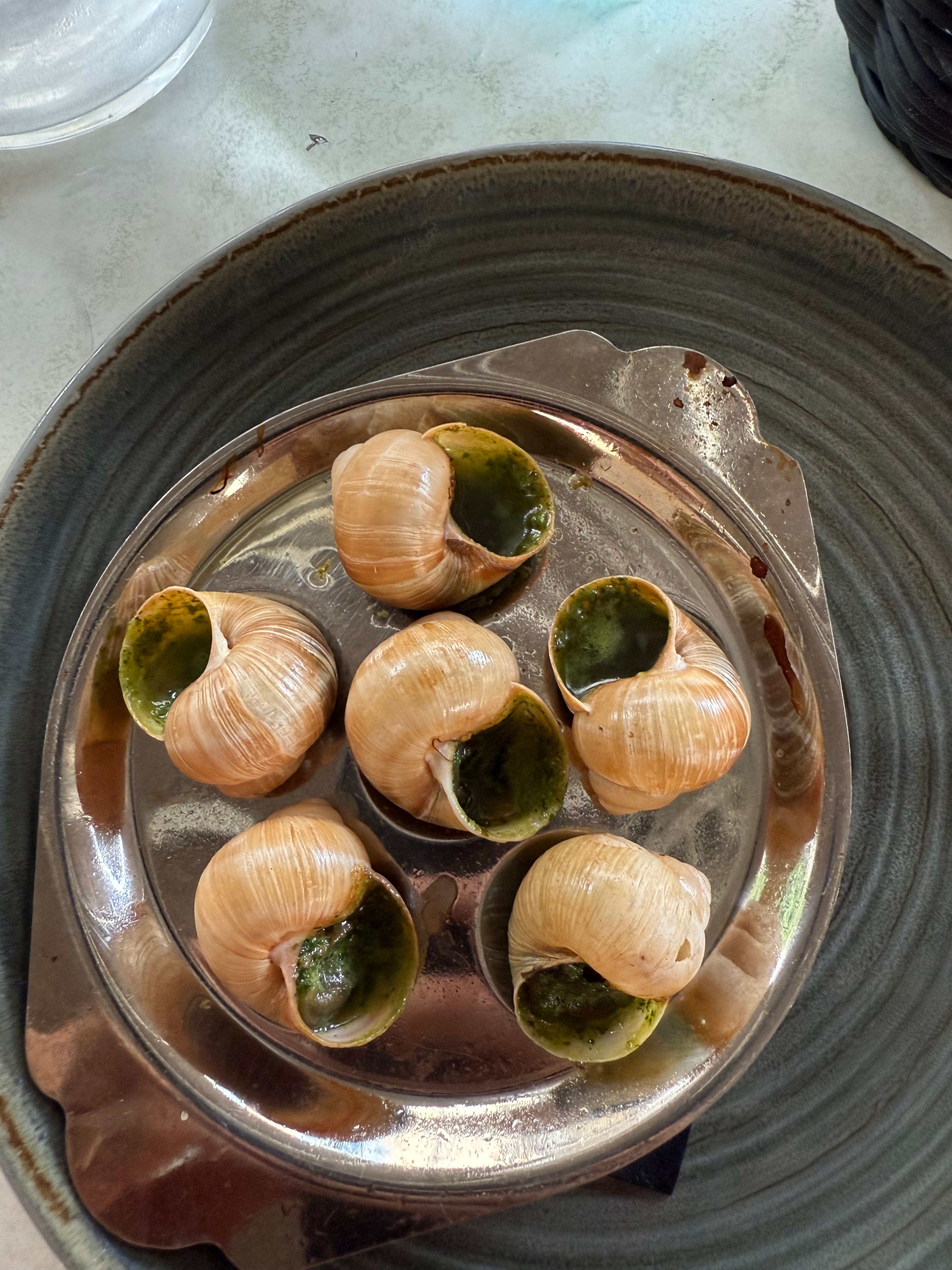
As in much of France (and, to some extent, Italy), lunch or dinner is a sacred activity that cannot be hurried. At a brasserie, diners are expected to ritualistically order a three-course meal, preferably with a glass (or, if your capacity permits, a full bottle of wine). A typical entree (first course) in Burgundy is a portion of the famed escargots—snails cooked in-shell in butter garlic sauce. You can choose a small portion of six pieces or a larger one of 12 pieces. Either way, it’ll be a novel dining experience as you have to hold the shell with special tongs in one hand and, with the other, use a small fork to scoop out the meat. After a couple of clumsy initial attempts, I did manage to eat my escargots though with questionable finesse.
The plats (second course) is the main course which in Burgundy is a boeuf bourguignon—beef cooked in a sauce that’s made of red wine, beef stock, onions and garlic, till it’s so tender it starts falling apart.
The dessert (third course) was either a creme brûlée or a platter of fromage—cheese—that I wolfed down with the aforementioned wine. At about 35 Euros per head, the meal might seem a bit expensive but was a very filling one. After a three-course lunch or dinner, I almost never felt hungry through the rest of the day or night. Of course, at each of these meals the star of the show was a glass or a carafe of Burgundy wine.
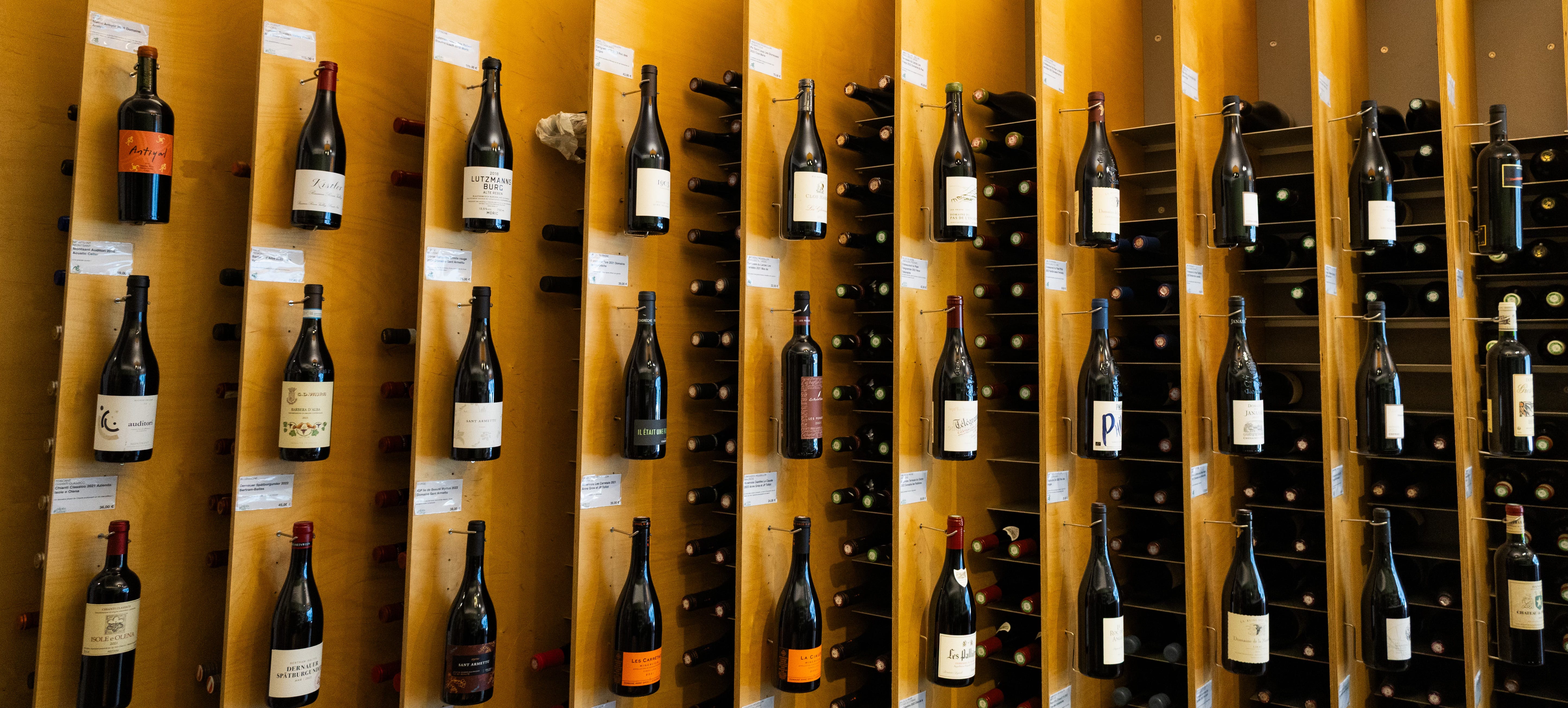
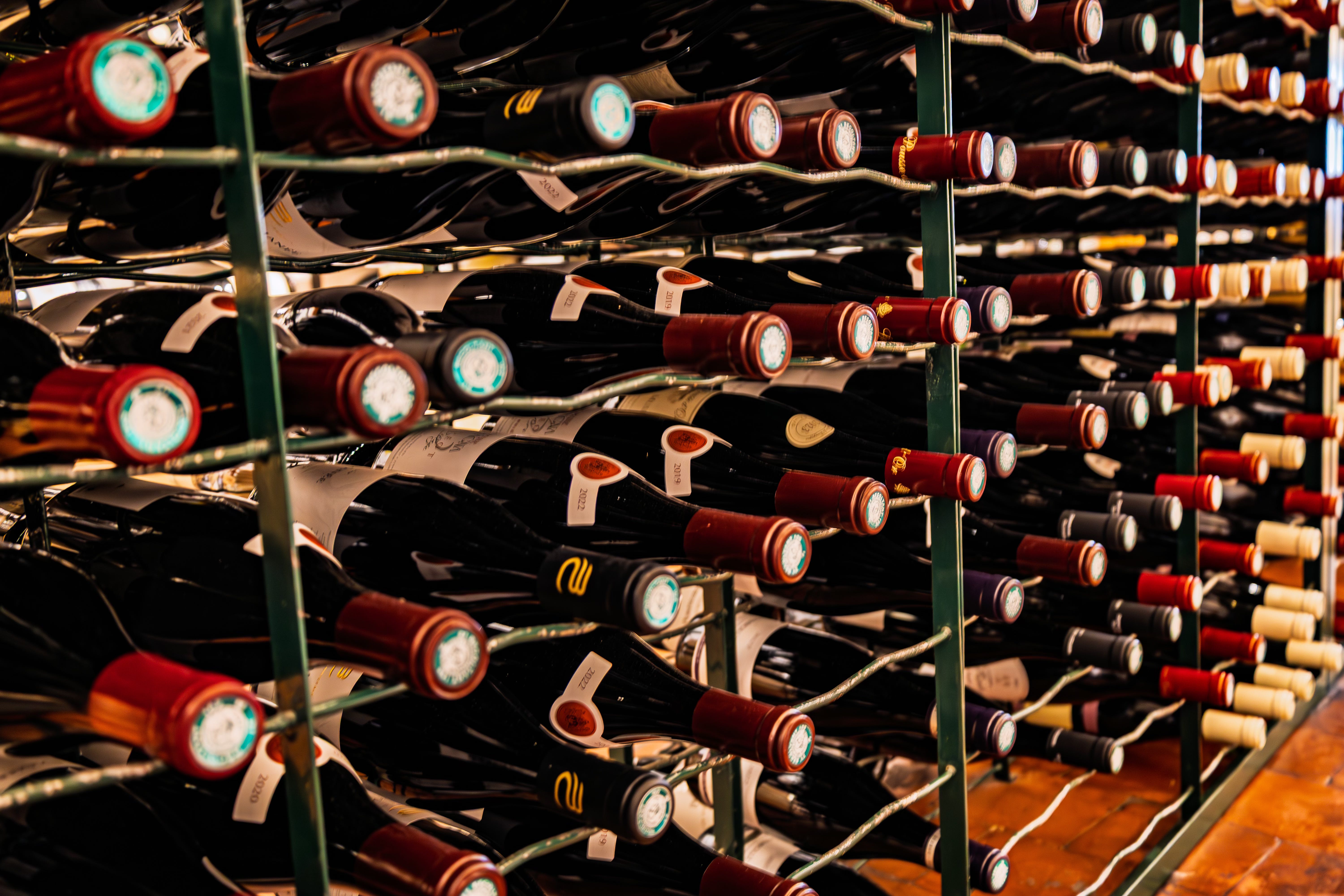
However, choosing which wine to drink at lunch or dinner or at sunset wasn’t easy. All I knew was that Burgundy was known for Pinot Noir (red) and Chardonnay (white). But it wasn’t as simple as that. The trick lay in understanding the four-tiered appellation system used to categorise Burgundy wines. At the bottom, is the regional appellation. So, if a wine bottle says “Bourgignon/Burgundy” it means that grapes from different parts of the region have been used to make the wine. One level above is the commune appellation to indicate the village/commune of provenance—such as Pommard, Meursault, Chablis, Puilly-Fousse etc. Above them are the premier crus—wines made in one of the 640 exceptional plots of the aforementioned villages. Finally, there are the Grand Crus—wines from 33 plots that are so superior, they get their own appellation. These include Romanee-Conti and Montrachet. The idea behind the classification system is to highlight the distinctive terroir—“the symbiosis of grapes, soil, climate, vineyard placement, and human touch all rolled into one”, according to Wine Folly. To my under-exposed palate and very sensitive wallet, this hierarchy meant just one thing: stick to the regional or village appellation wines and forget about the Crus. There was no way I could afford the 4,200 Euros on a bottle of Romanee Conti that I saw at a wine bar in the neighbouring city of Beaune where I’d gone for a day trip.
Other than the appellation system, high demand and low supply is the other reason why Burgundy wines are more expensive than others. France has about 775,000 hectares of vineyards, of which only 30,000 hectares constitute the Burgundy region. “Thus, for 200 million bottles produced each year in Burgundy, 650 million are put on the market for Bordeaux and 465 million for the Rhone Valley,” according to La Cave Eclairee, an online wine retailer in France. From my own experience, I can attest that the high price is in line with the quality of wine that I consumed.
Remember the plans of mice and men—the ones that go awry? I had planned a day trip to Beaune. The start to the day had been disappointing. My train got delayed by a few minutes and I couldn’t make it in time for a guided tour of a Burgundy vineyard that I had pre-booked. The tour, scheduled to start at 11am, had already been delayed to accommodate me. But the train chugged into Beaune station only at 11.07AM. I ran to the tourism office from where the tour was supposed to begin. I got there, huffing and puffing, at around 11.20AM, but the group had left. I was both furious and upset because I’d been on the phone with the tour guide, constantly updating him about my arrival.
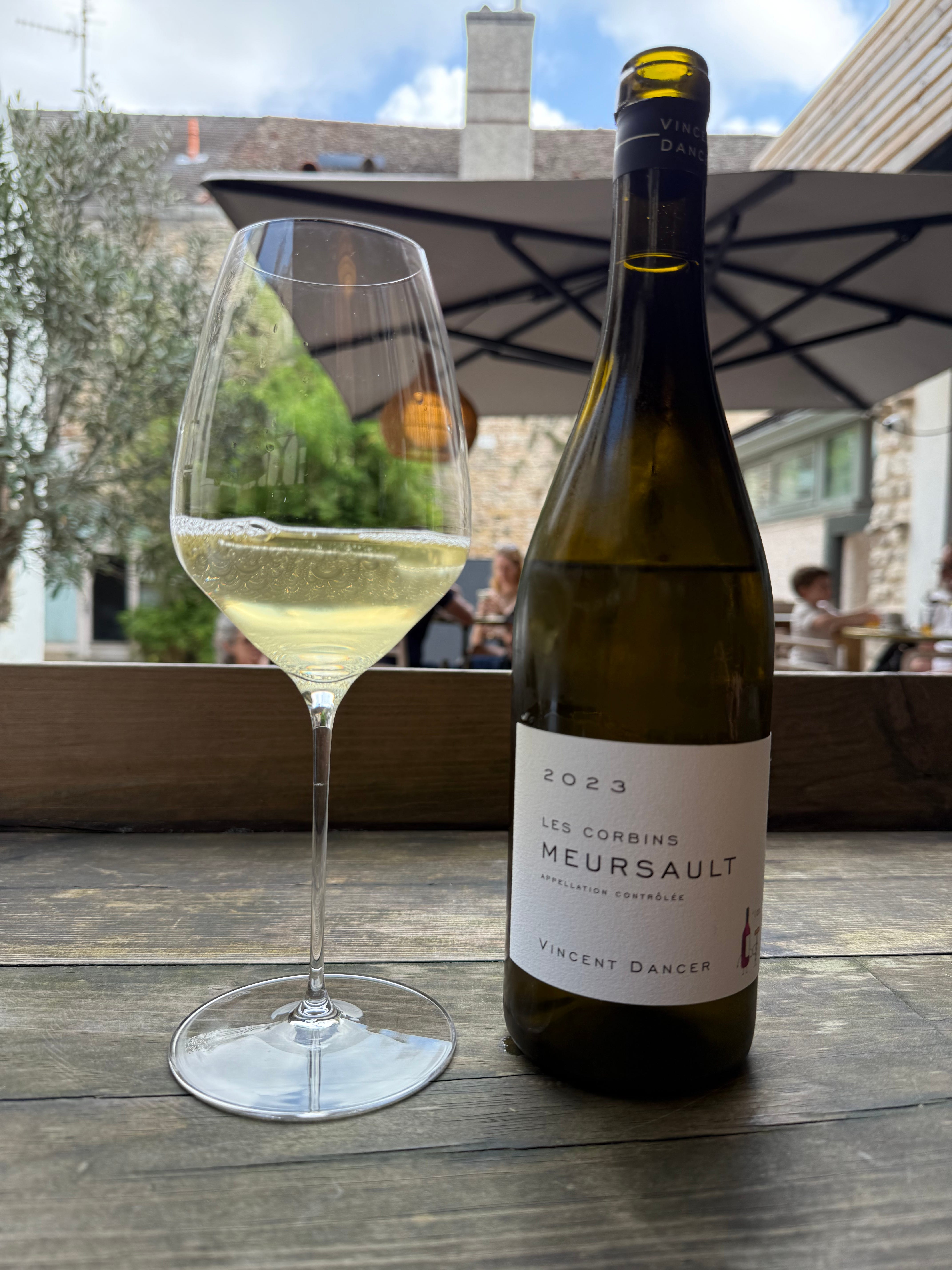
Thankfully, the tour operating company understood my situation and refunded the fee. But the whole experience left me disappointed. To lift up my spirits I landed at L’Arche des Vines, a wine bar and retail store, and ordered a glass of Meursault white wine. It was unlike any other Chardonnay I’d tasted before—oaky, smoky and full-bodied. That was followed by a red wine—a 2023 Vosne-Romanee—bursting with red fruit flavours. My total bill for two glasses of wine? 39 Euros.
That I was in Burgundy and wouldn’t be able to visit a winery wasn’t something I was prepared to live with. A quick Google search revealed that Beaune was home to Patriarche, a winery founded in the 18th century. It wasn’t too far from the city centre, offered guided tours for 25 Euros per person and had 5km of cellars that visitors could walk through. After a quick doner kebab roll lunch on-the-go, I landed up at the Patriarche headquarters, ready for an hour-long walk through the cellars, followed by a tasting of six wines. What I expected from the tour was a repeat of my experience last year at the Moet et Chandon and Pommery champagne cellars in Reims and Eparnay.
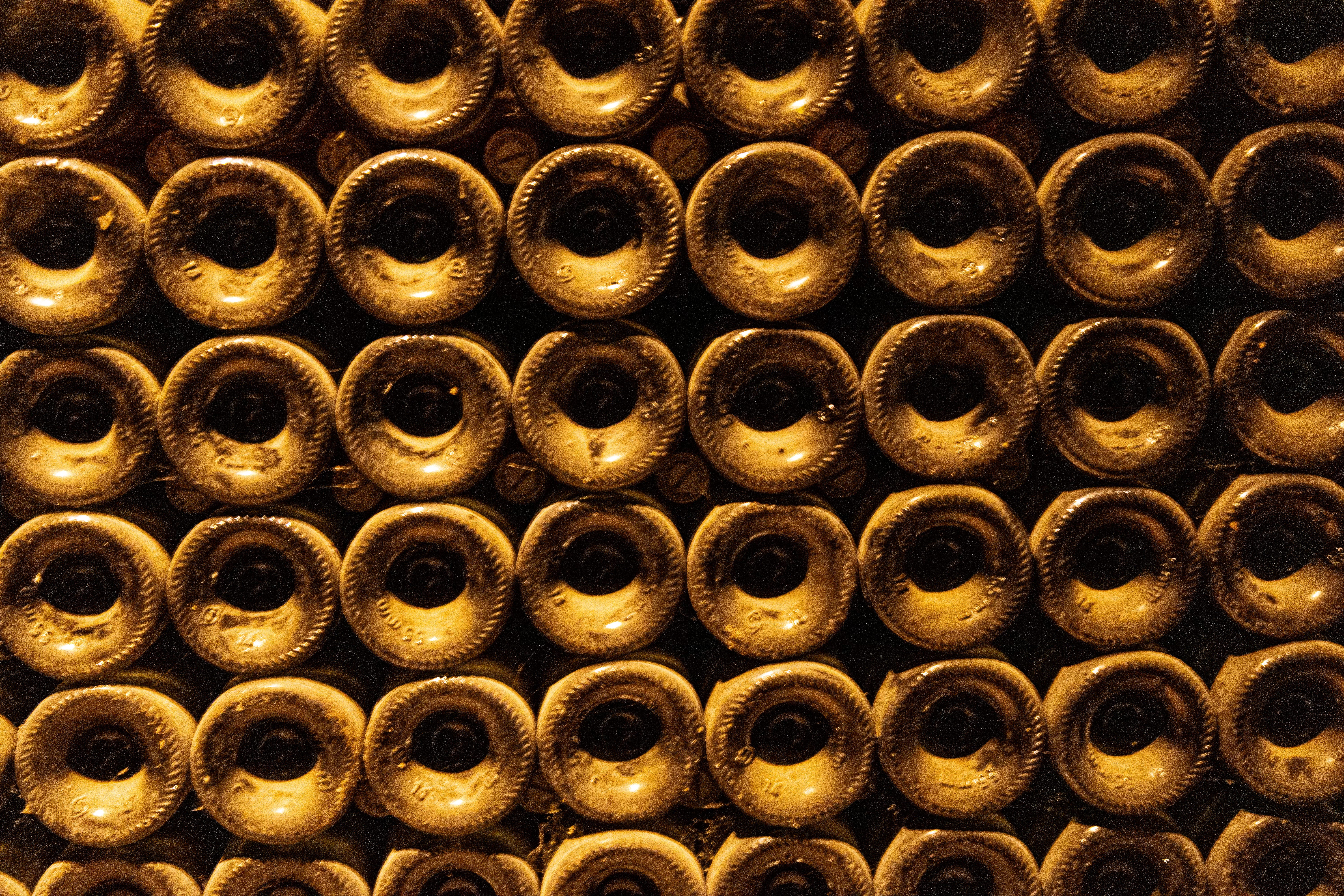
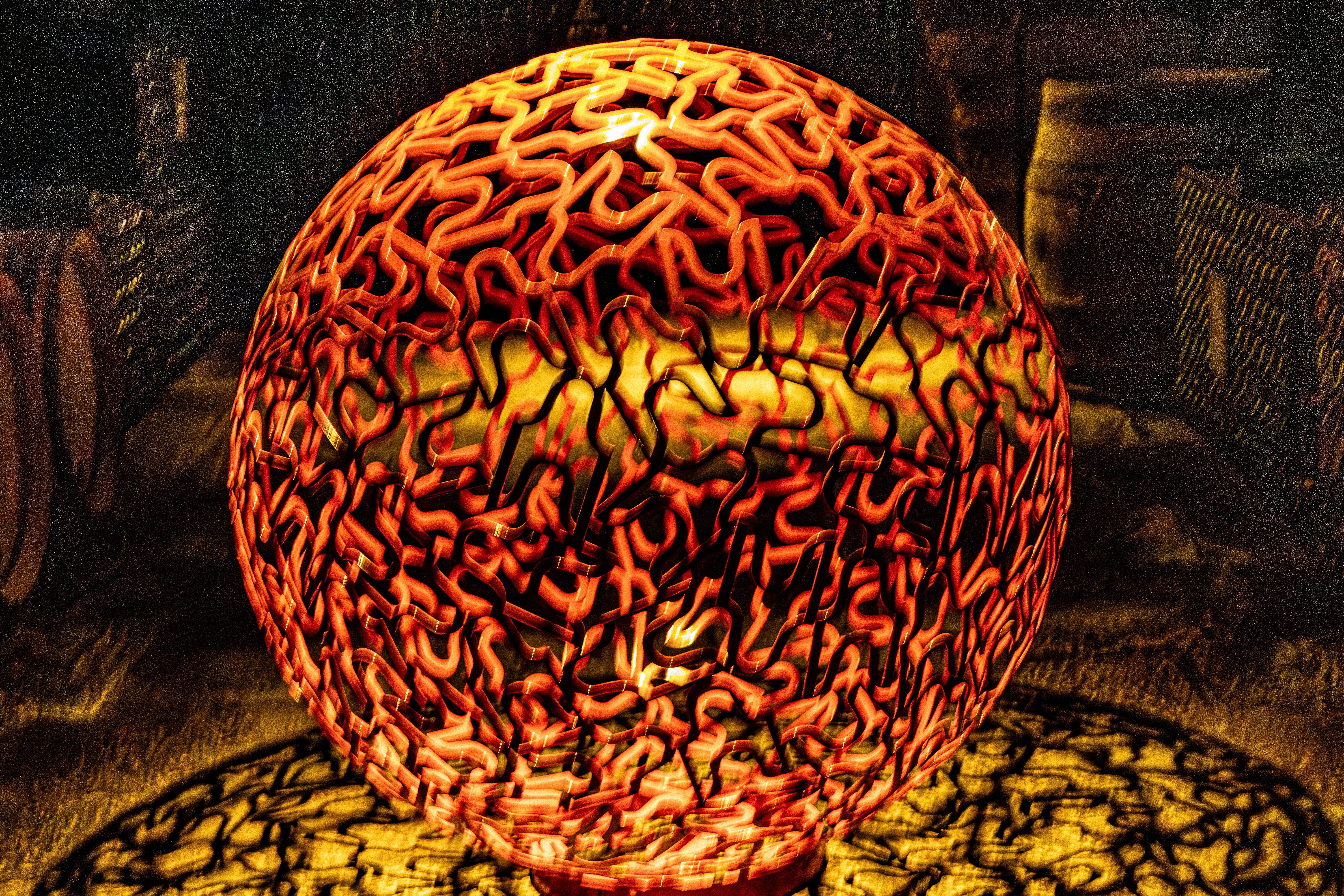
On those tours, a professional sommelier working with those champagne houses guided a group of us as we walked through dimly lit, chilled cellars, sharing interesting trivia and anecdotes. In comparison, the Patriarche tour was a bit of a disappointment. First, it was a self-guided tour. The winery had placed giant touch screens in different areas that visitors had to tap on. A few more taps later, short videos detailing the history of the winery. There was nobody to tell us interesting trivia or anecdotes. We just had to walk, tap a screen, watch a video, and walk again. Not quite what I was expecting. I’d have happily paid a little extra for a guide to enlighten us about Patriarche. The lack of a guide aside, it was fascinating to walk through those corridors, lined with art and quotes about wine. The final tasting was comprehensive with servers briefing visitors about the various appellations of Burgundy.
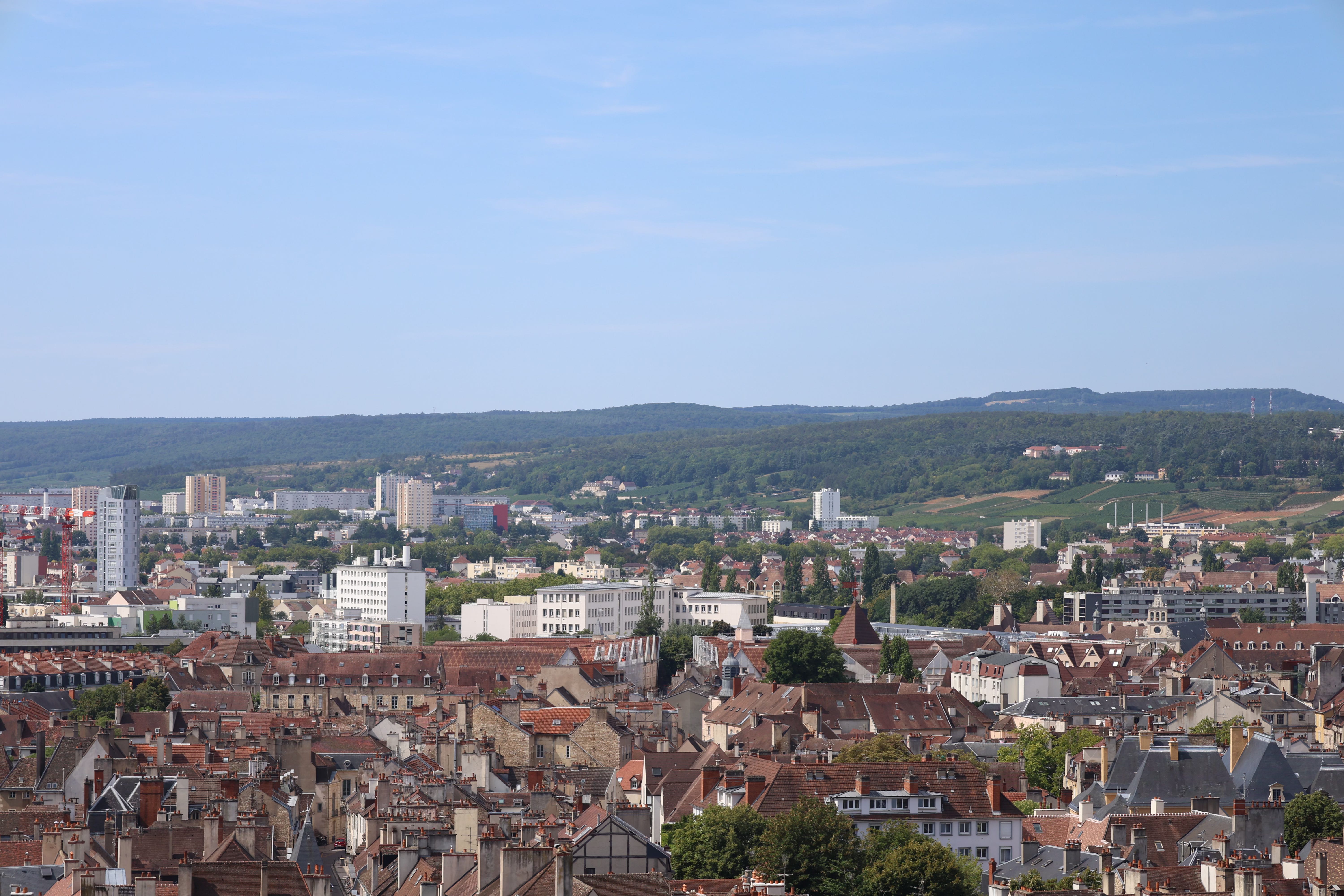
Dijon isn’t just a feast for the stomach but also for the eyes. Just walking around the city, soaking in the sun, observing fellow tourists, admiring the architecture and encountering some of the city’s eccentricities felt therapeutic.
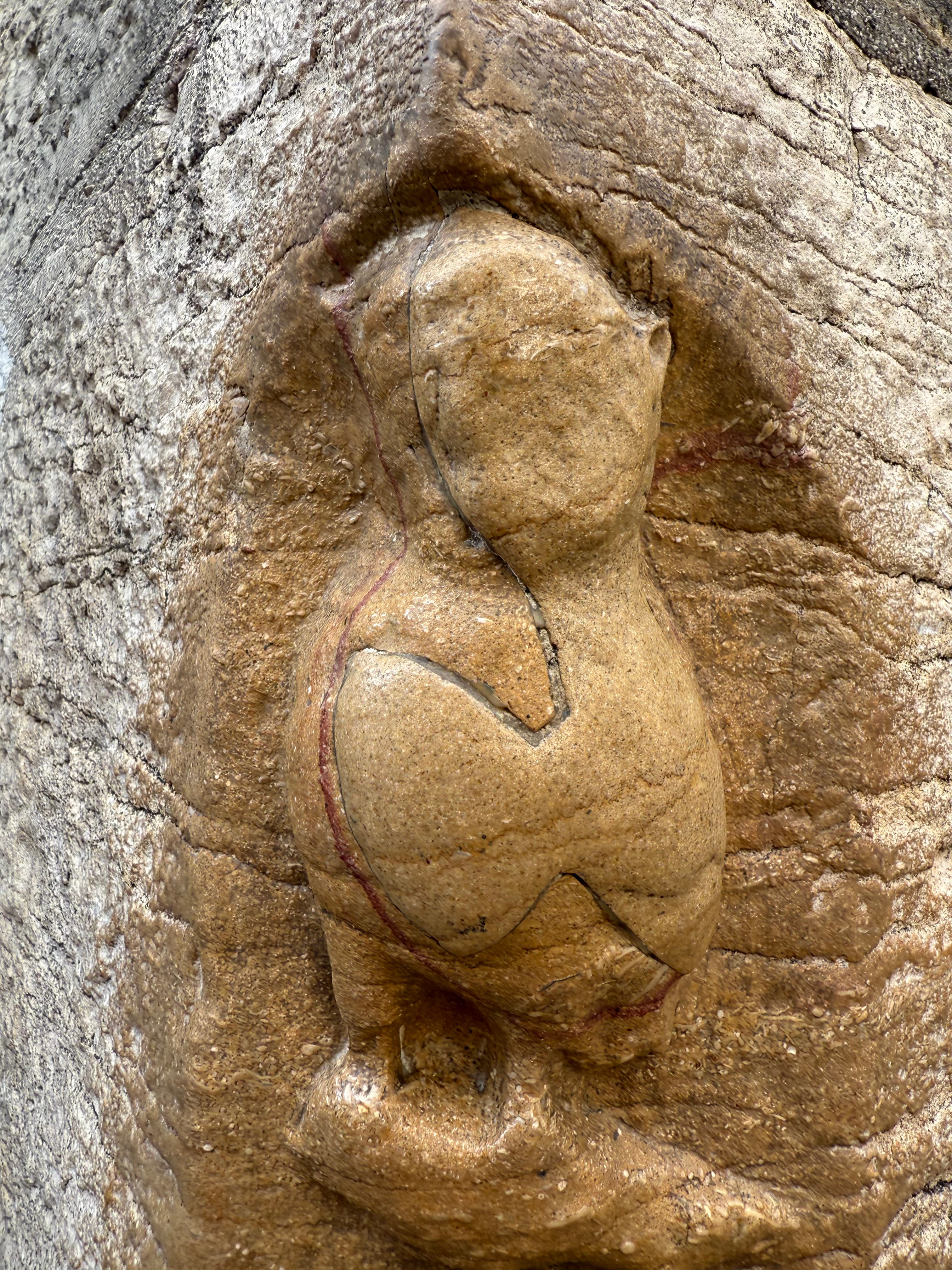
One of these quirks is the owl of Dijon, a statuette located on the chapel wall of the Church of Notre Dame, which serves as the city’s unofficial symbol. Legend has it that if you make a wish while touching the owl with your left hand, it will come true.
A few minutes away is the Liberation Square, a semi-circular public square, flanked by the Grand Palace of the Dukes of Burgundy on one side and a row of open-air restaurants and bars on the other. As night falls on Dijon, the square, palace and surrounding areas are illuminated and a cool breeze blows across the area, making it the perfect spot for a post-dinner nightcap. So beautiful was the sight that on my last two nights in the city, despite being dog tired after 12km-long walks, I just sat at the square admiring the lit up palace and soaking in the atmosphere. At 11PM, I reluctantly dragged myself back to the Airbnb, hastily packed my bags and prepared for my onward journey to Lyon.
A longer version of this piece first appeared on Founding Fuel, a digital media venture that aims to create a new playbook for entrepreneurship in India.
The trip also gave me the chance to test my photography skills. So almost all the photos you see here were shot on my newly acquired Canon R8 camera and edited on Adobe Lightroom.
Follow @aayushsoni and @partnerinwineindia on Instagram for social media updates.
No posts
Comments
Nothing yet. Say the first thing.
Sign in to join the conversation.