
Bruce Lee's philosophical insights extend far beyond the confines of martial arts, offering a blueprint for adaptability and skill acquisition that resonates with contemporary sports science. This week, we delve into the alignment of Bruce Lee's "Be Water" philosophy with the principles of ecological dynamics, exploring the fusion of ancient wisdom and modern scientific thought in the pursuit of sport, movement and athletic excellence.
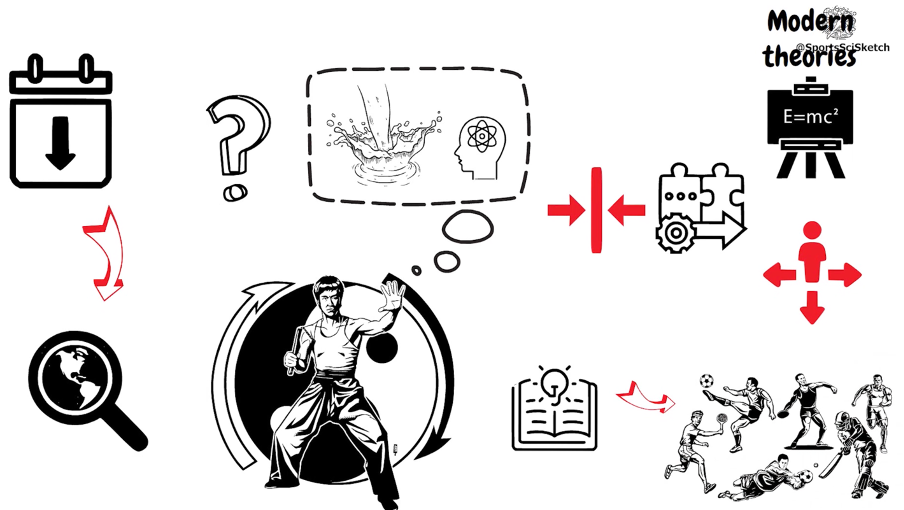
The Genesis of Jeet Kune Do
Bruce Lee's Jeet Kune Do emerged not just as a martial art but as a philosophical revelation, advocating for an adaptable and formless approach to combat and life. This philosophy, emphasising the fluid interplay between an athlete and their environment, mirrors the ecological dynamics framework in sports science, which views athletes as complex and adaptive systems. Bruce Lee's emphasis on adaptability and responsiveness in the face of changing conditions laid the groundwork for a holistic approach to skill acquisition, one that champions the dynamic interaction between an individual and their surroundings.
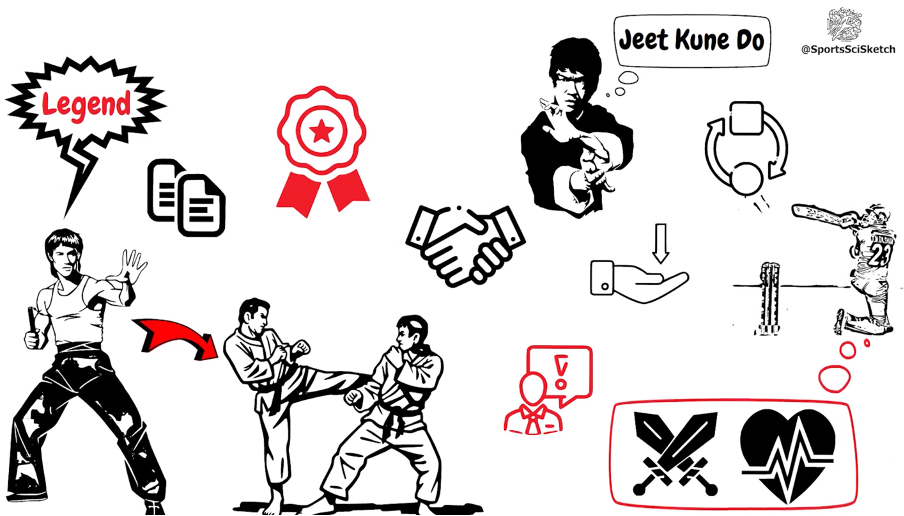
Alive Training and Representative Learning
Bruce Lee's critique of static training methods led to his advocacy for "Alive" training, a concept that finds its echo in the Representative Learning Design within ecological dynamics. This approach prioritises realistic, contextual practice environments that reflect the actual challenges and variability athletes face in competition. By simulating real-world scenarios, athletes can develop meaningful skills that translate directly to improved performance, embodying Bruce Lee's vision of practical and adaptable training.

Skill Adaptation: The Core of Mastery
At the heart of both Bruce Lee's philosophy and ecological dynamics lies the principle of skill adaptation – the idea that athletes must continuously evolve to navigate the unpredictable landscape of their sporting environments. This principle encourages a departure from rigid, prescriptive training in favour of a more fluid, responsive approach to skill development. It champions the athlete's ability to adjust and thrive amidst the ever-changing dynamics of competition, much like water moulds itself to the shape of its container.
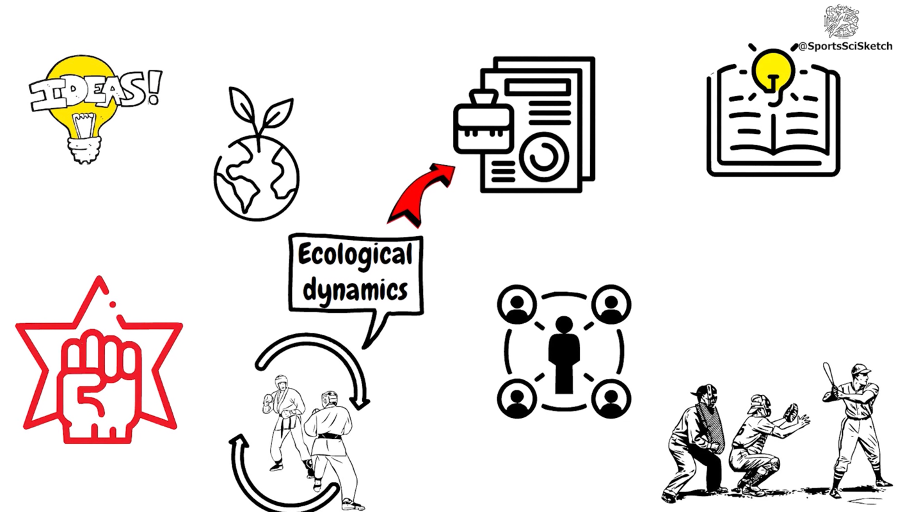
Integrating Philosophy into Practice
The application of Bruce Lee's principles extends beyond martial arts, offering valuable insights for coaches and athletes across various disciplines. By integrating the essence of Jeet Kune Do into training methodologies, coaches can foster an environment that emphasises holistic development, adaptability, and the continuous interplay between the athlete and the environment. This approach not only honours Bruce Lee's legacy but also enhances the effectiveness of training programmes in cultivating skilled and adaptable athletes.
Summary: The Enduring Influence of "Be Water"
Bruce Lee's call to "Be Water" – to embody adaptability, formlessness (perhaps even less emphasis on technique in certain skills) and responsiveness – remains a potent guide for athletes and coaches striving for excellence. By embracing the fluid nature of skill acquisition and the importance of the athlete-environment relationship, we can unlock new levels of performance and mastery. In the confluence of Bruce Lee's timeless wisdom and contemporary sports science, we find a path to achieving harmony with our environment and for athletes to realise their full potential.
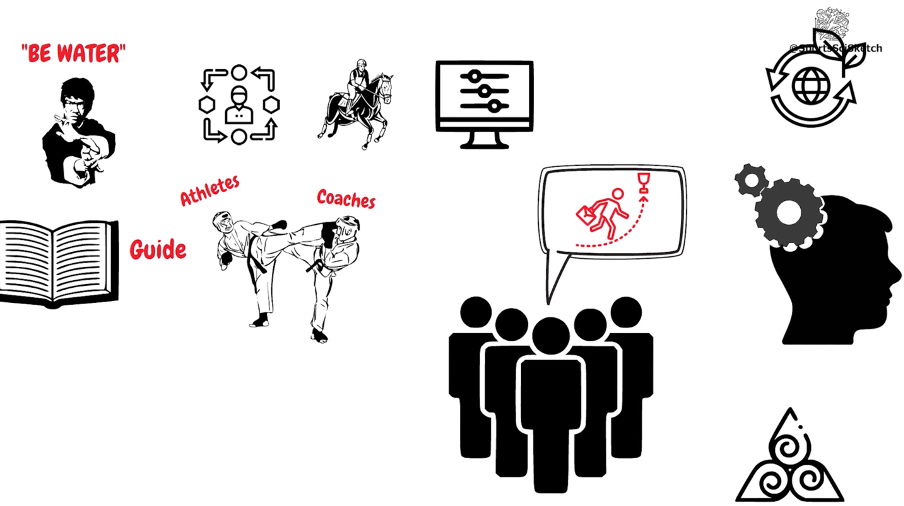
WHITEBOARD VIDEO:
Citation: Myszka, S., Yearby, T., & Davids, K. (2023). Being Water: how key ideas from the practice of Bruce Lee align with contemporary theorizing in movement skill acquisition. Sport, Education and Society, 1-17.
Subscribe to YouTube channel: https://www.youtube.com/channel/UCW6O0m6OCfyh8hV-kX_Q_KA
No posts
Comments
Nothing yet. Say the first thing.
Sign in to join the conversation.