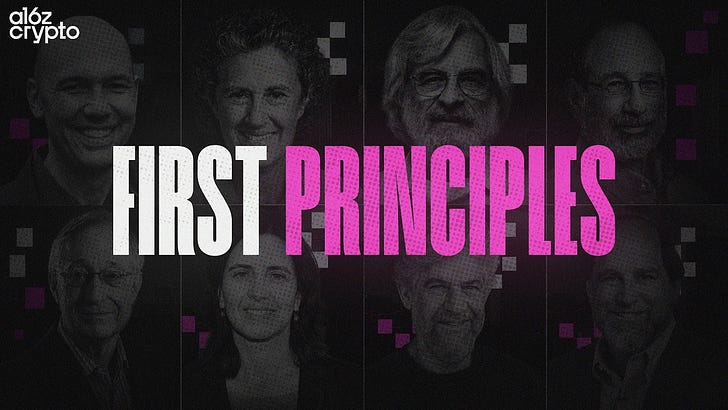
Before Bitcoin: The ideas that made blockchains possible
Interviews with pioneers of computing technologies

your guide to the next internet from the team at a16z crypto
Live Last read · last published · next check
Interviews with pioneers of computing technologies
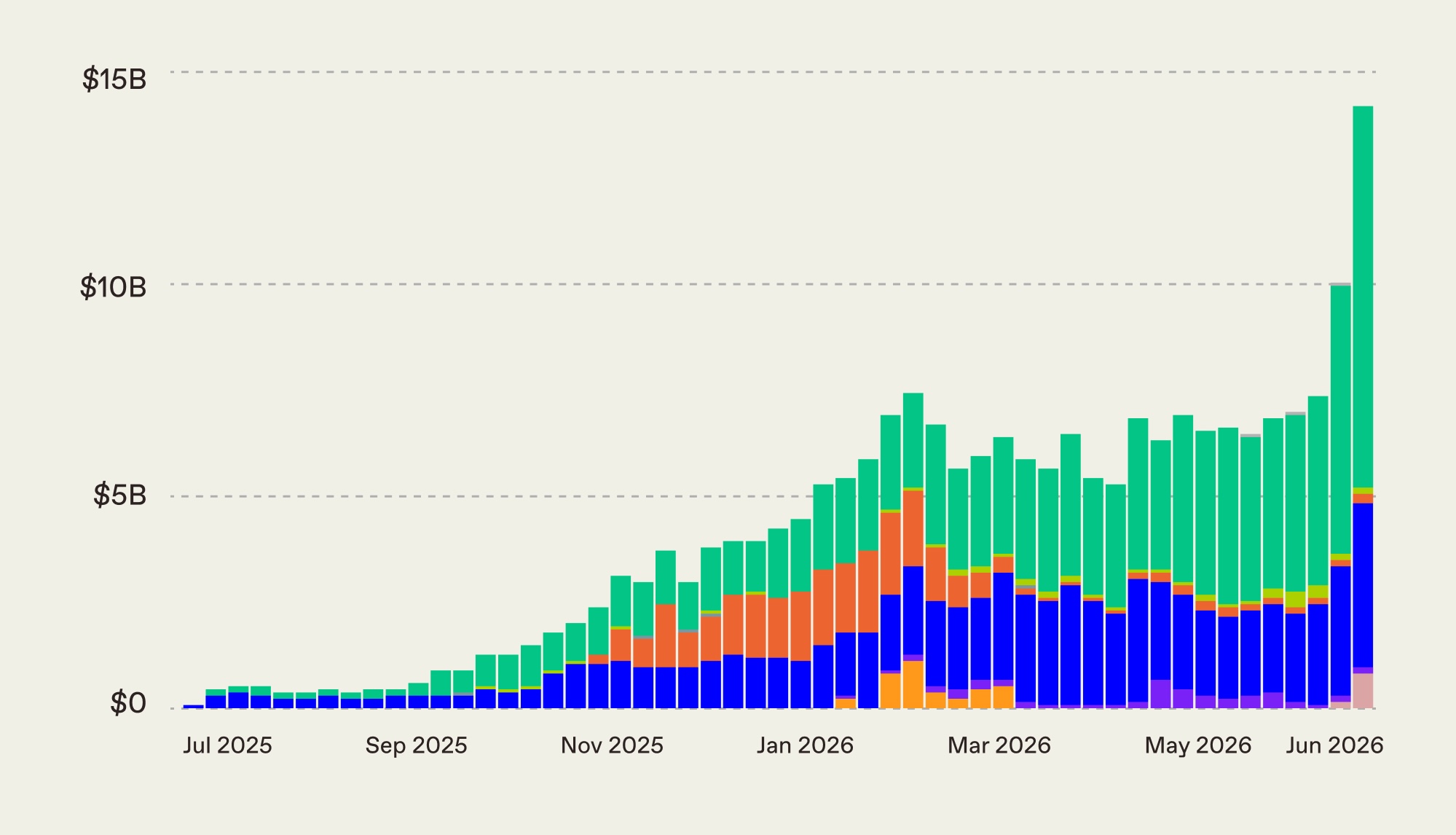
Stablecoin spending by card swipe is up 2.5x in a year — and it's happening overwhelmingly in digital dollars, almost entirely on Visa
And why no rules is the riskiest rule of all
The corporation solved the coordination problems of the industrial age. The DUNA — a new legal entity — does the same for decentralized networks.
Why tokenized stocks grew more than 5x in a year.
The GENIUS Act brought stablecoins to the mainstream. Now the networks they run on deserve the same clarity.
Congress has a chance to pass the most important technology law since the Telecoms Act.
Blockchain adoption is a cost story, not a conviction story. Builders should plan for both.
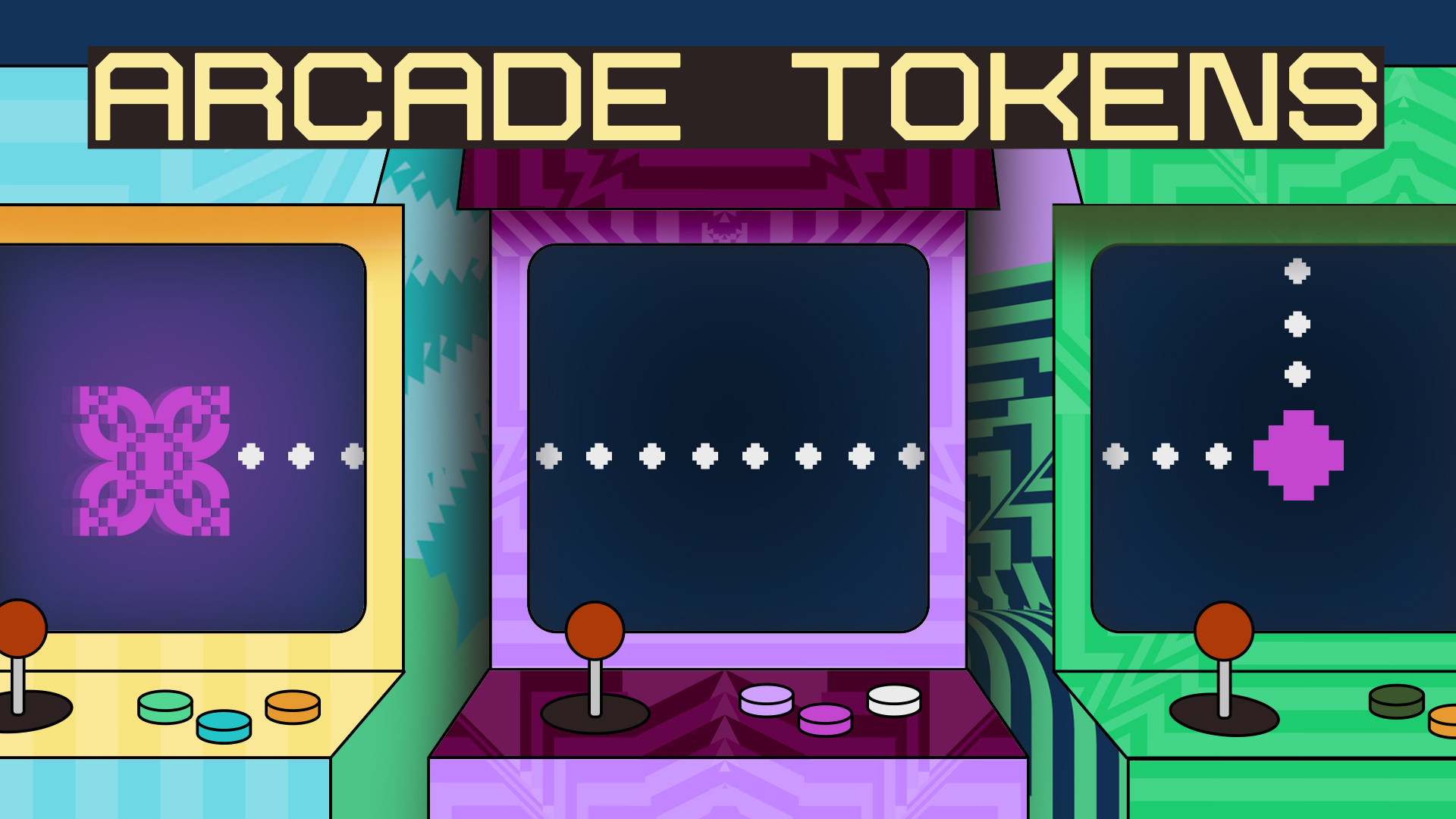
Arcade tokens offer a different model for crypto: tokens that work like loyalty points or arcade credits, but with the openness and programmability of public blockchains.
Part 2 of our summer reading list: 17 books on ambition, grief, meaning, and what people do when things get complicated.
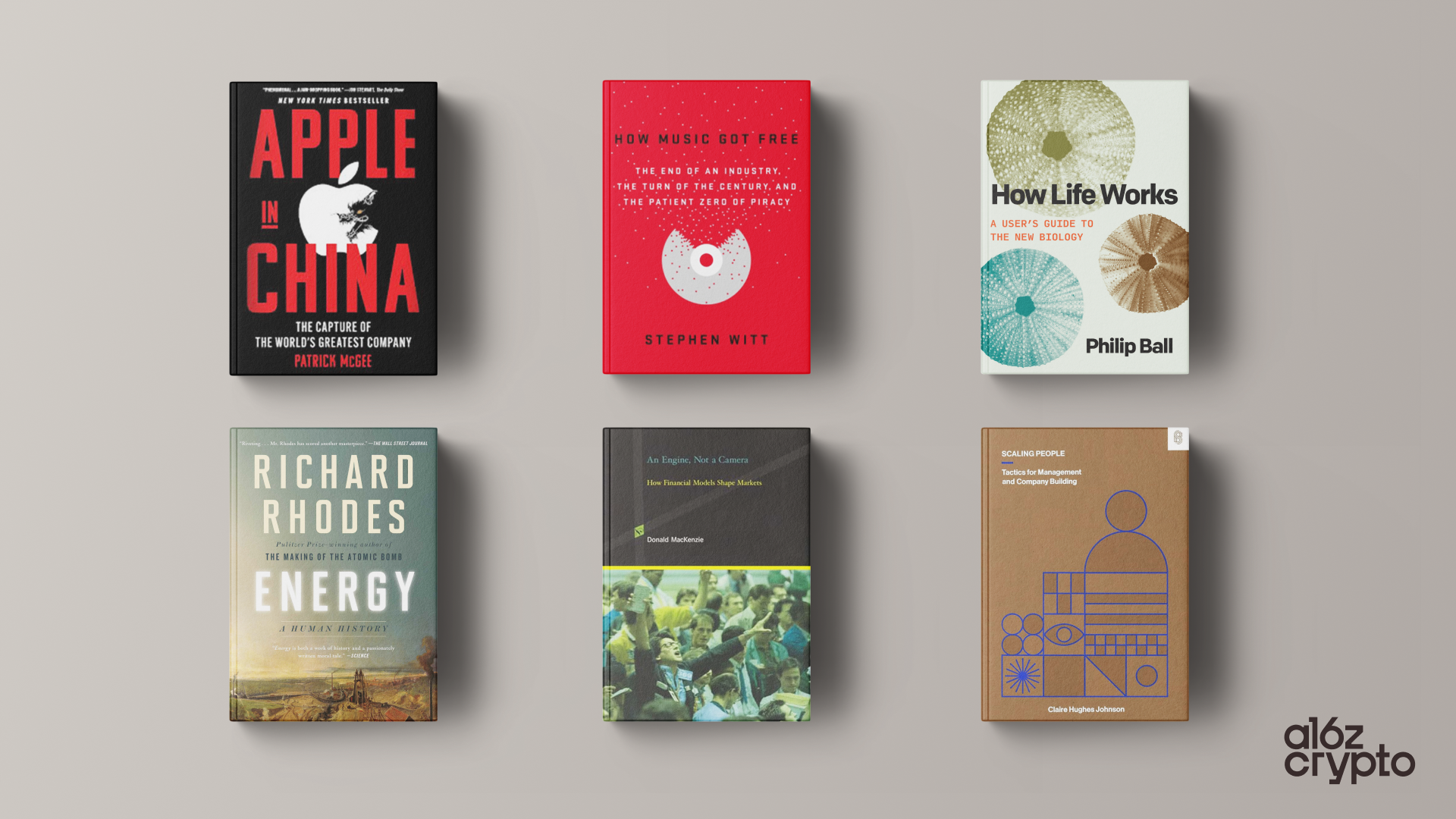
Part one of our summer reading list: 13 books on technology, markets, AI, code, and the systems behind change.
Prediction markets just had their biggest week ever.
The next era belongs to builders with receipts
The best businesses sit inside the flow of value. Stablecoins and programmable networks are making that pattern available to every startup.
One of the more interesting side effects of the AI boom is the scramble to own pieces of it.
Product-market-fit (PMF) is one of the single greatest determinants of whether a company lives or dies.
The questions they answer that other markets can't — and what they still need to get right
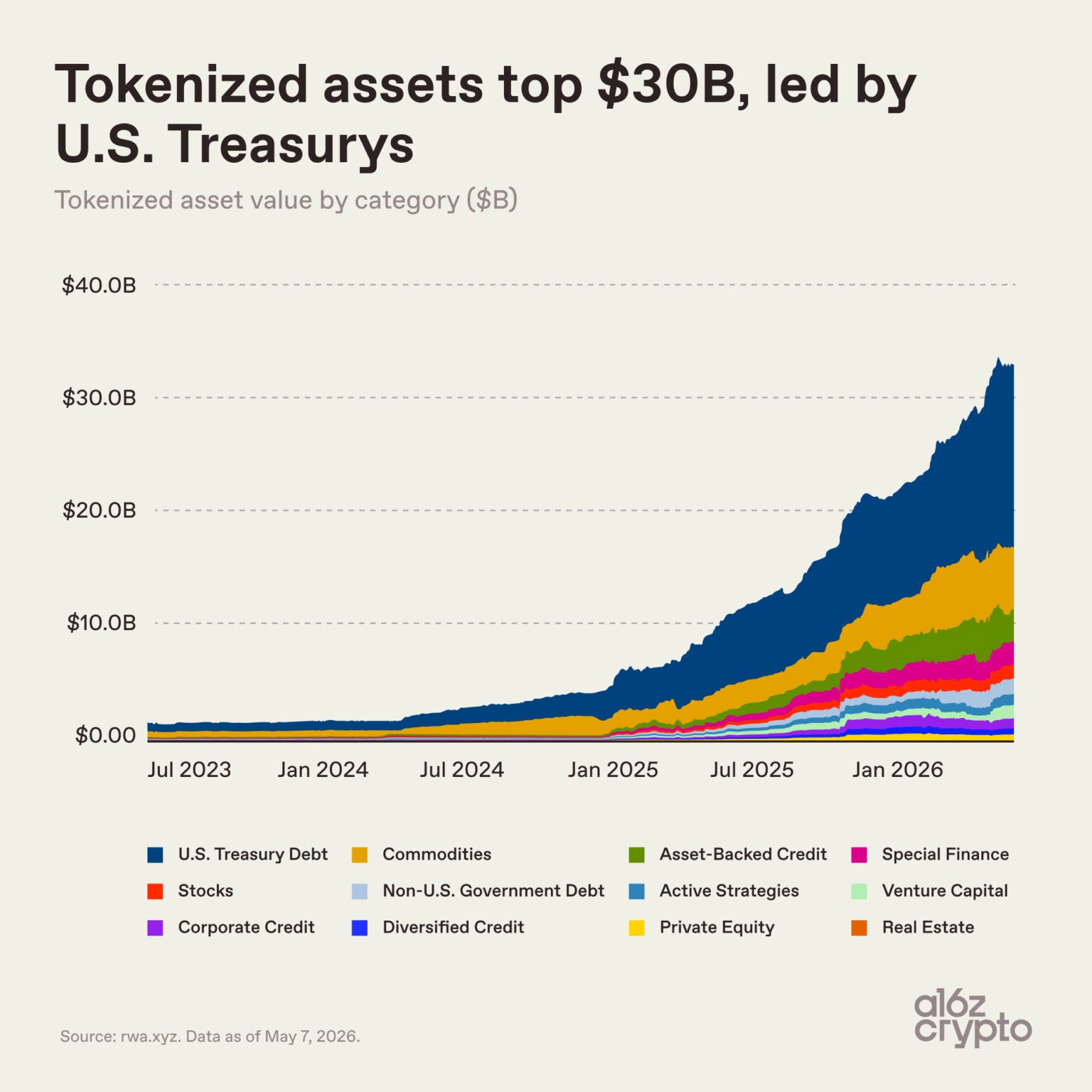
How tokenization is changing what assets are, how they move, and who can build on top of them
The case for blockchains as finance’s long-delayed cloud moment.
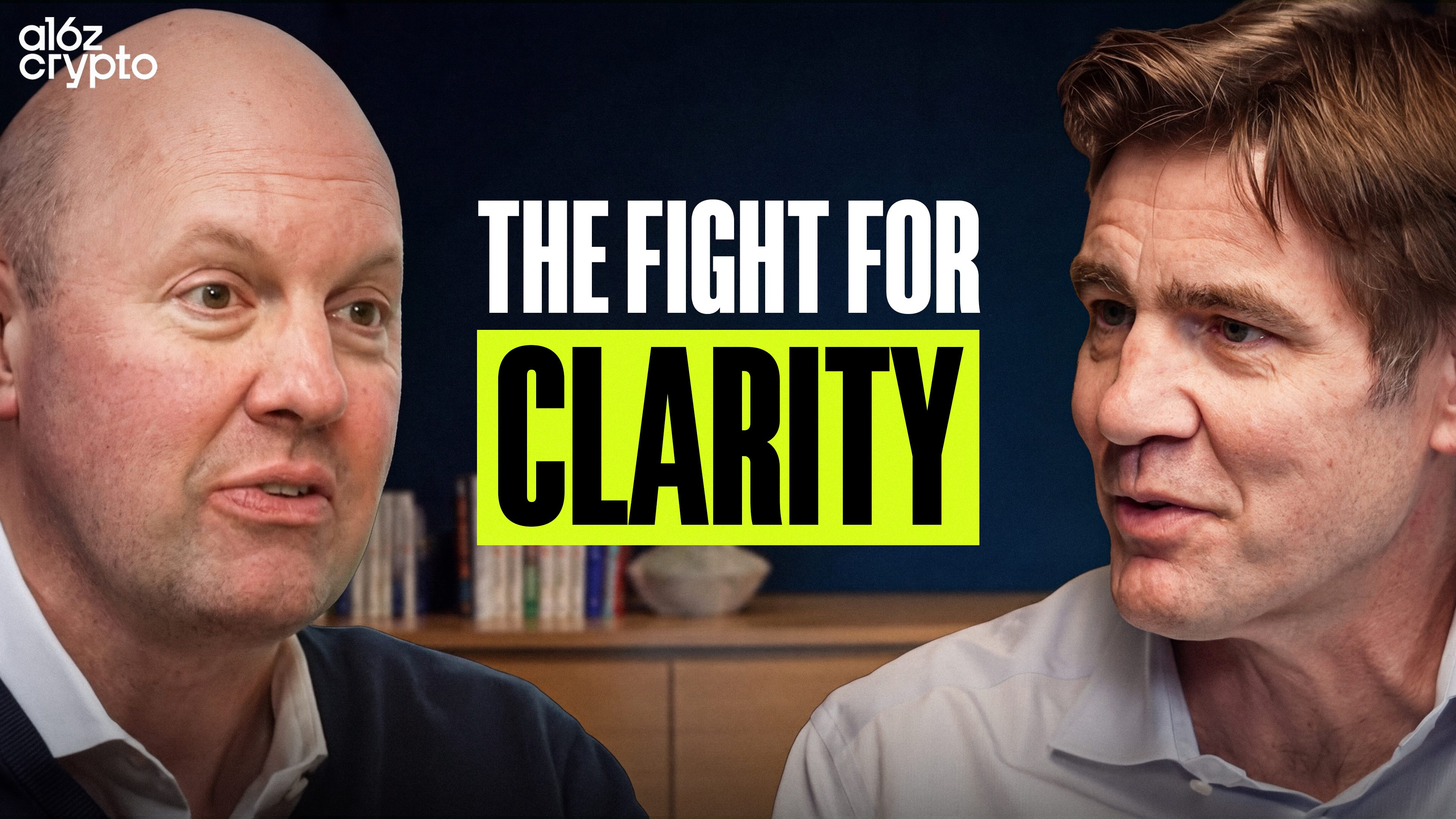
Why the CLARITY Act is really about whether decentralized networks can exist as first-class institutions in the United States.