
There’s a man I’ve never met but feel like I know personally. Though he’s been gone for nearly 16 years now, he’s omnipresent. I imagine him as a warm, fatherly bear paw on my shoulder; a hearty laugh and an offer to crack open that bottle of wine; a playful, Bruin poke at my Trojan affiliation. Ours would’ve been the goofiest of crosstown rivalries.
I can see him plainly, not just in the photos arrayed in albums and yearbooks, but through the stories told about him. I can see that three-foot standing jump, just as easily as I can imagine that time he tried to lie back in a hammock, only to have it flip and dump him unceremoniously on his face. I can see his mischievous streak, scaring the wits out of an unsuspecting delivery driver with the ring finger he’d lost in his youth.
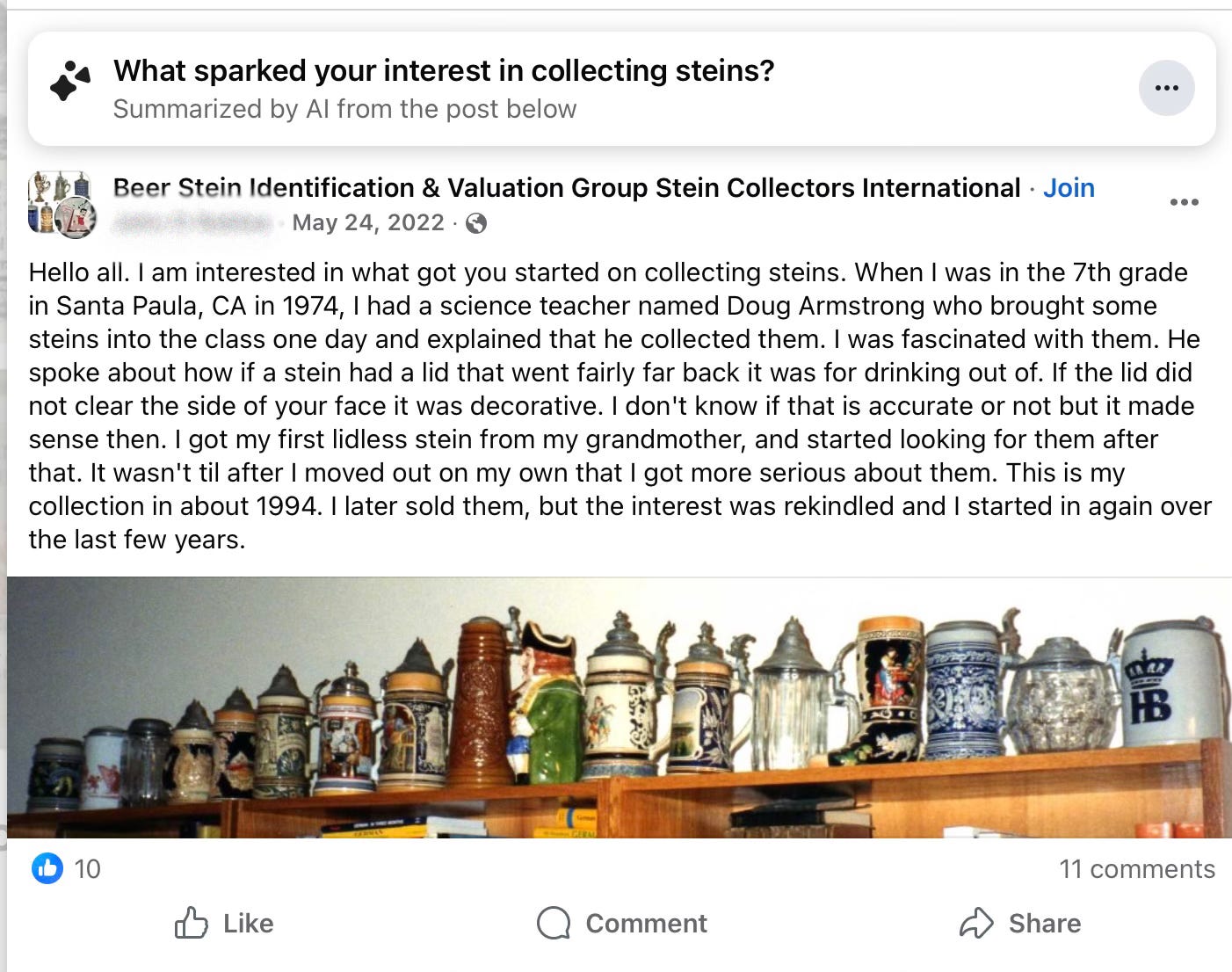
I can also picture the UCLA athlete, the favorite teacher, the German stein hound, the fanatical baseball card collector. I picture him completing his Army Reserve duty just in time to avoid the Vietnam War. A moment of exquisite Swiss timing that would allow him to get married, have a son, and settle down on a suburban street nestled against the citrus orchards.
Americana, thy name is Douglas Armstrong.
If there’s a quality that my late father-in-law was known for, I don’t believe it was subtlety. Take for example the dramatic circumstances of his birth. In the wake of a rare attack on U.S. soil during World War II, Doug’s mother went into labor. Despite living in Santa Paula, she was forced to transfer to Foster Memorial Hospital (now Community Memorial) in Ventura by several complications — not the least of which was an area blackout.
Just after 7:00 PM on February 23, 1942, as families gathered around their radios for one of President Franklin D. Roosevelt’s “fireside chats,” a Japanese submarine, sleek as a shark, broke the water’s surface in the channel across from Goleta’s Ellwood oil refinery. It would later be identified as an I-17, part of the Japanese Imperial Navy. Captained by Kozo Nishino, it was outfitted with two, five-inch deck guns.
Barely three months had passed since the bombing of Pearl Harbor, and FDR was issuing a dire reminder that World War II had come to all continents. As if to underline that point, the Japanese sub proceeded to shell the Goleta coastline, along what is now the Sandpiper Golf Course.
By 7:20 PM, Ellwood beach was erupting in cannon fire. As the Santa Barbara News–Press reported: “The explosions were shattering in their force. Buildings rocked as during an earthquake. Geysers of earth shot heavenward.”
The bombardment lasted nearly 30 minutes, and in the chaos, an estimated 25 rounds were loosed upon the coast. Few, however, hit their intended targets: Goleta’s rich oil fields. At least one round sailed over Highway 101 and landed in Winchester Canyon. Several managed to crater a horse pasture and scare the ever-loving shit out of the animals. Famous rancher Jack Hollister watched a round whistle over his head. He quipped: “Evidently the [Japanese] were bum shots. We’ll have to put up a target for them to shoot at.”
Of those 25 rounds, only one was confirmed to have scored a direct hit. One oil well and a pumping station were destroyed in the attack.
Over the years, plenty of lore has sprung up around the incident, most of it attempting to answer the niggling question: Why Goleta?
In the book, It Happened in Old Santa Barbara, local historian Walker A. Tompkins lays out one of the theories: that the attack was Nishino’s revenge for a bit of embarrassment he had suffered. During the pre-War era, he had captained oil tankers that routinely anchored off the Goleta coast, so he was not unfamiliar with the area. Even so, on a particular shore excursion one day, he evidently “stumbled into a patch of prickly pear cactus at the entrance to Las Armas Canyon.” The many — American — men who witnessed it laughed at him. He left with his ego wounded and a vow to avenge his humiliation.
This, however, seems far-fetched and based in stereotypes around the idea of “losing face.” It’s more likely that Goleta was a perfect target precisely because it was so unexpected. It was home to precious oil resources — and it was largely undefended.
Even if the attack missed its mark by a country mile, it managed to inflict another kind of damage: psychological. The good citizens of Santa Barbara and Ventura counties panicked. At least one dairy farmer abandoned his cattle, and with his entire crew, beat a hasty retreat back to Oklahoma.
Officials ordered a blackout. Radios were silenced from Santa Barbara to the Mexican border. House lights winked out. Citizens were told to stay off the streets and avoid driving. As so happened, even if drivers turned off their headlights, the bright flashes of brake lights were clearly visible against the ink-black night.
Ordered around 8:20 PM on February 23, the blackout was finally lifted just after midnight. But tensions remained high for the next several days. At least one article published in the Ventura County Star–Free Press on February 25 suggests that the local constabulary had had it up to here with drivers violating continuing blackout orders. Many dutiful citizens trying to make it to work in the wee morning hours were turned back by law enforcement.
I have to wonder, then, just how the Armstrongs made it to Foster Memorial Hospital. We know that they drove with their headlights partially papered over. But were they ever stopped by the cops? Did they receive a police escort? Time was of the essence, as baby Doug was born without a heartbeat and was struggling for life.
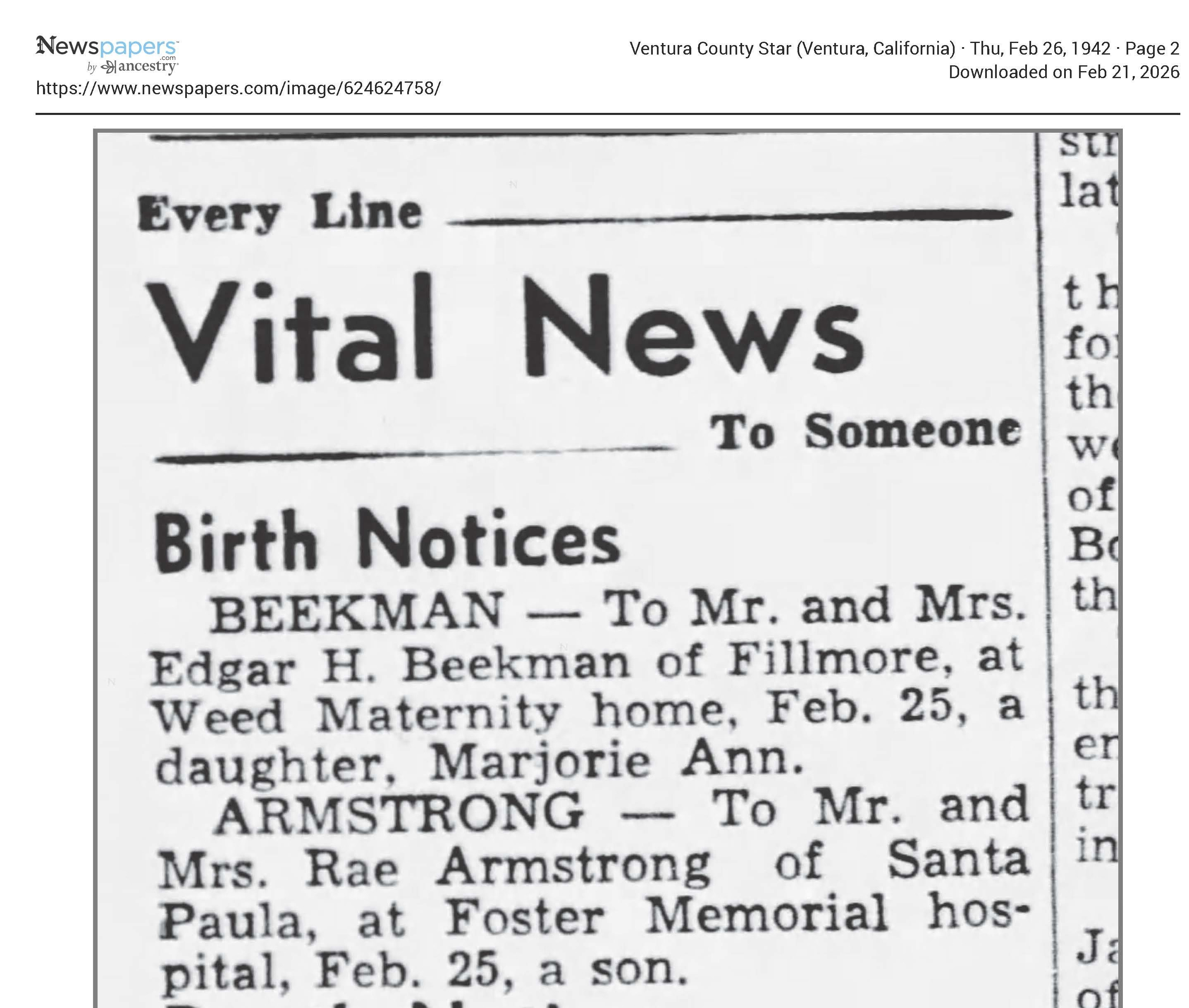
In defiance of the odds — Japanese subs with terrible aim and blackouts and complications at birth — Douglas Armstrong was welcomed into the world on February 25. His arrival was heralded in the local birth notices, complete with a misspelled name. (Sigh.)
During his life, he would have an equally dramatic influence on those he taught, loved, and celebrated with. From shaving his head and eating worms (ew!) after his students successfully met their bookworm reading challenge, to fostering a love of both academics and athletics, his impact on the community reverberates today. The man born without a heartbeat proved to have one of the strongest hearts we know — literally and metaphorically. I can no longer count how many times Doug’s former students have stopped his son — my husband — to tell him how much Doug is still adored and missed.
Doug Armstrong died in 2010 after a 17-month battle with glioblastoma.
Fuck.
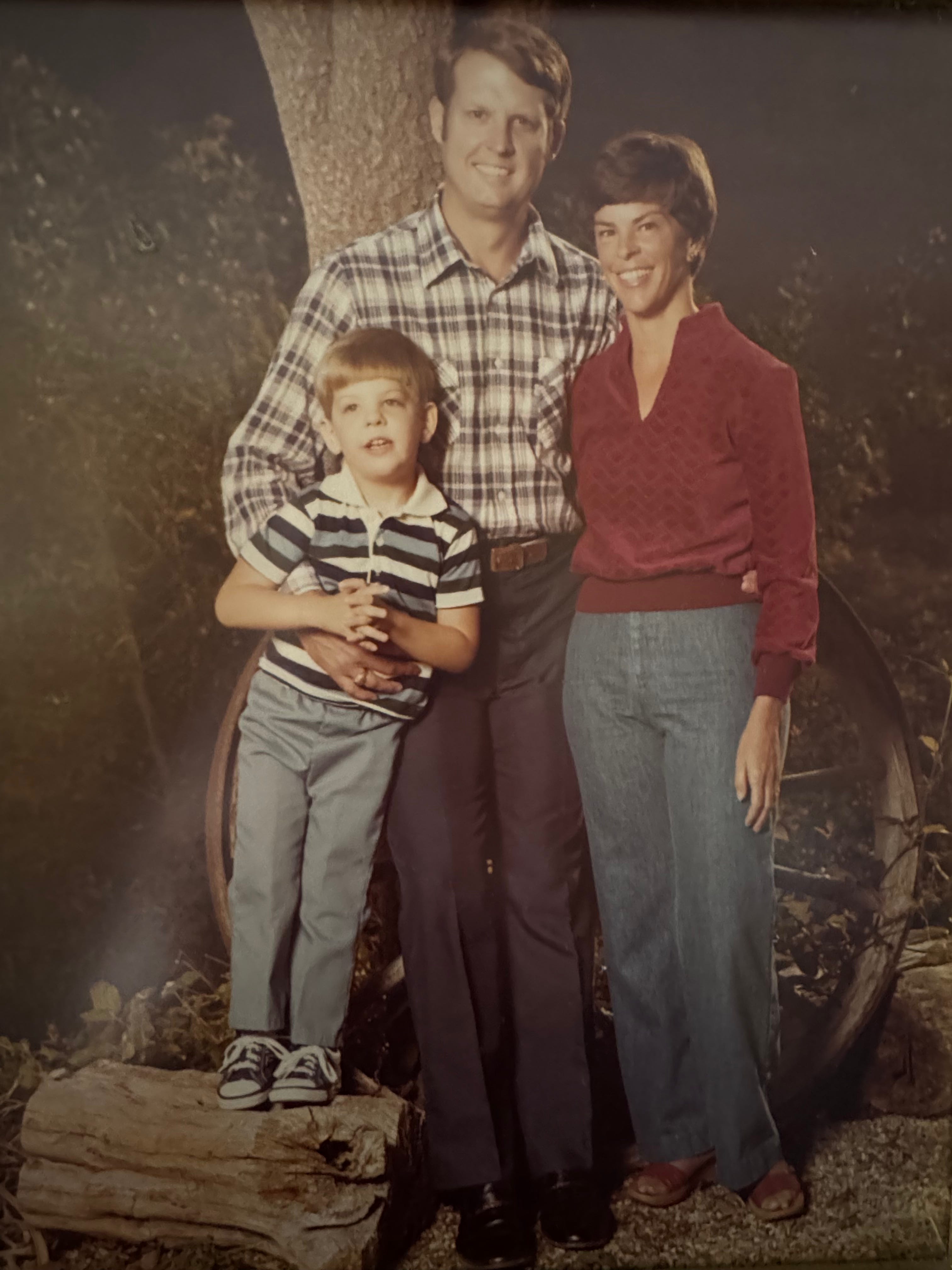
A casual stroll through our family’s homes will take you on a partial journey through Doug’s life. There are the family portraits, the snapshot of that time he stuck a bug in his mouth. (Dude, seriously, what’s with the creepy crawlies??) The beer steins.
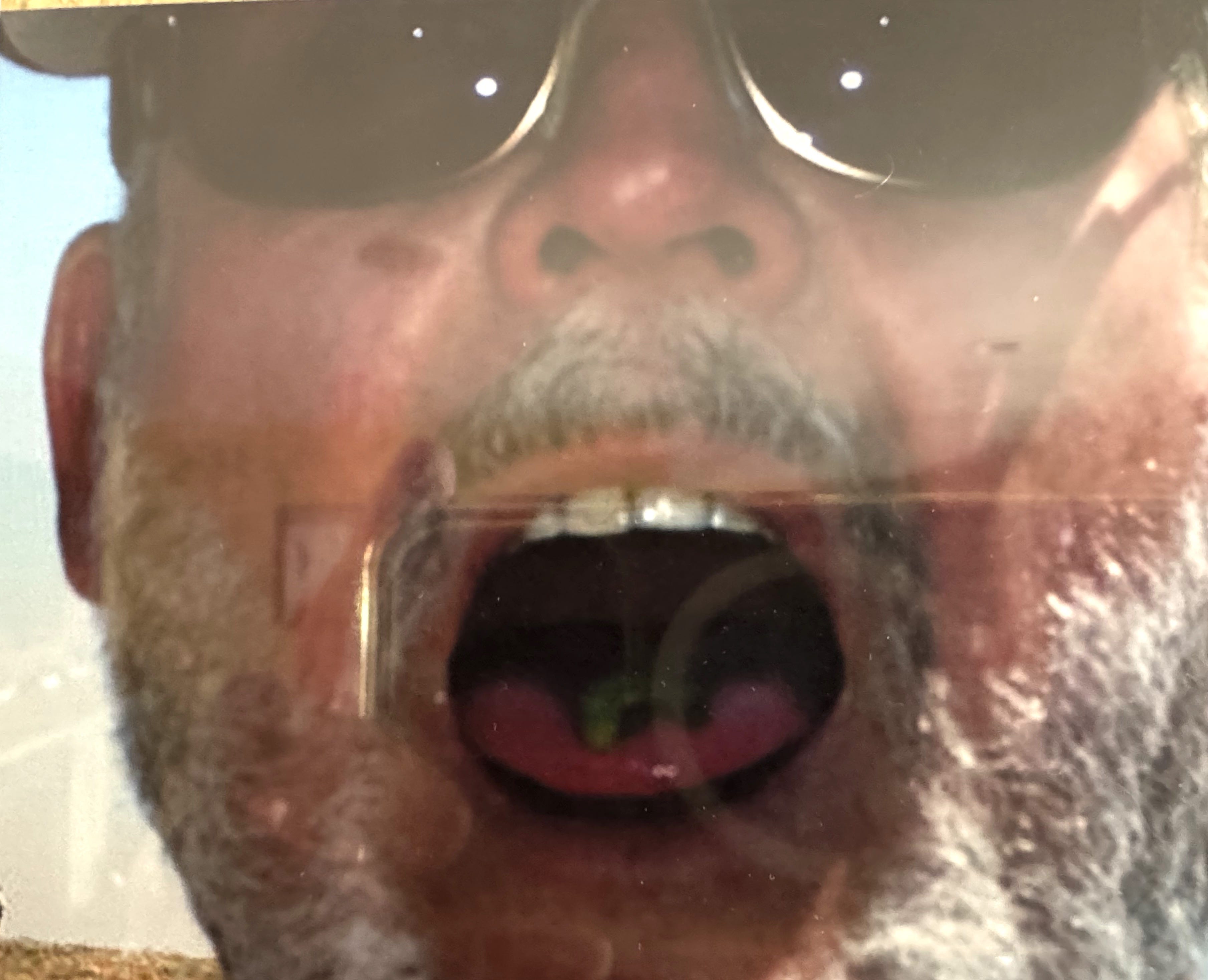
The only thing missing? The hundreds — possibly thousands— of baseball cards he collected. Those were finally cleared out of the garage and given away a year or so ago. After all, there’s a fine line between honoring someone’s memory and letting it gather dust. Better that the cards go to someone who would enjoy them.
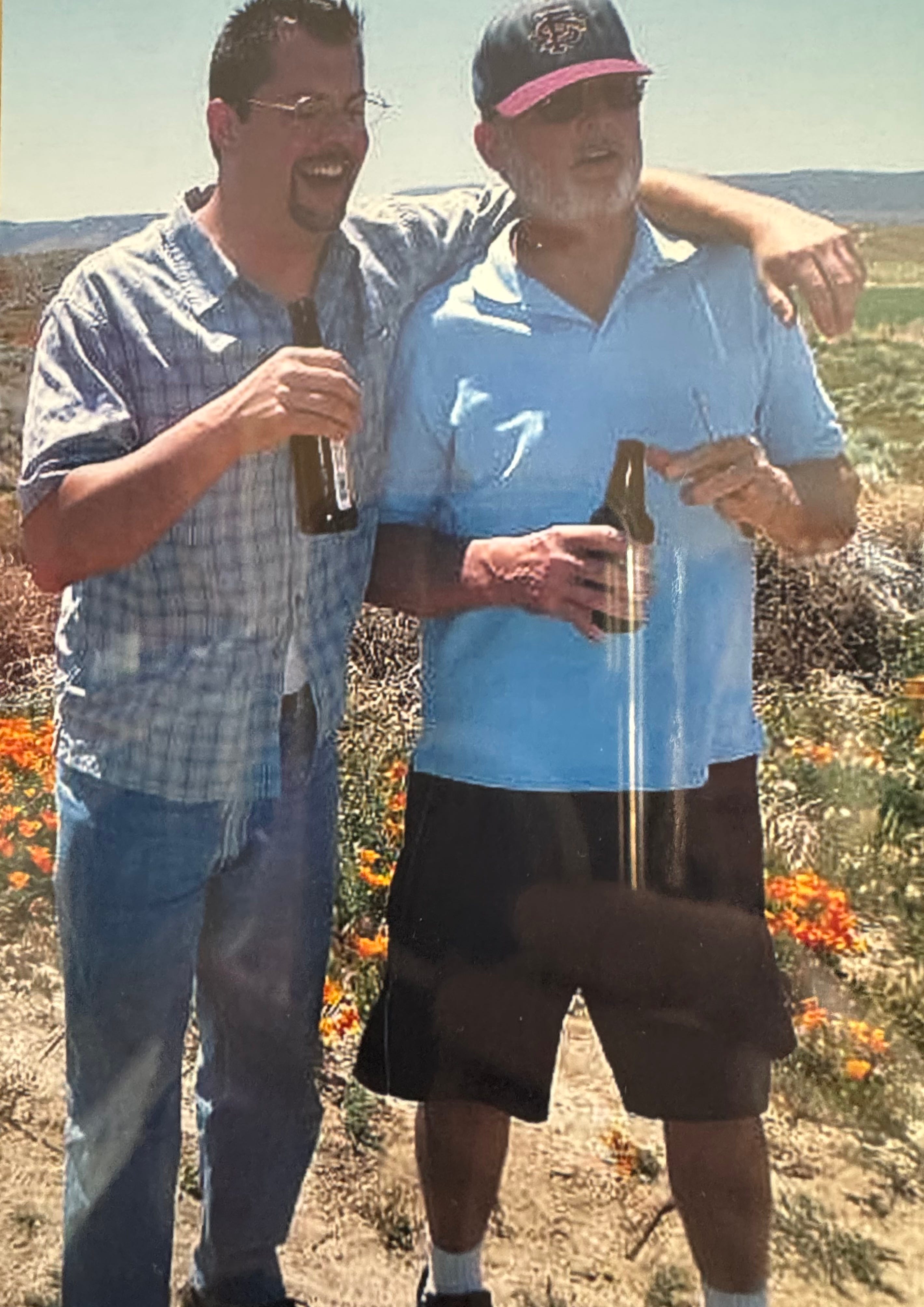
And not to dismiss his mother’s influence, which is considerable, but I also see daily glimmers of Doug in my husband — in his charm and charisma, his generosity and concern for others. His athleticism. How good he is with kids. His love of nature.
To date, however, I have never known him to eat bugs.
Thank you, honey.
References:
It Happened in Old Santa Barbara, by Walter A. Tompkins.
The Ventura County Star–Free Press, February 24, 25, and 26, 1942.
The Santa Barbara News–Press, February 24, 1942.
The Santa Paula Times, “Bookworms popular at Bedell,” June 26, 2002.
The Santa Paula Times, Obituaries, November 17, 2010.
Comments
Nothing yet. Say the first thing.
Sign in to join the conversation.