1. Brain-predicted age difference (brain-PAD) is a robust, reproducible predictor of dementia progression across two independent estimation methods, and it is most clinically useful in subjective cognitive decline, where it can help identify low-risk patients and reassure the “worried well,” rather than in mild cognitive impairment, where visual rating scales already capture most prognostically…
1. Diffusion-weighted imaging (DWI)-positive lesions are common after intracerebral hemorrhage (ICH) and serve as an independent biomarker of cerebral small vessel disease (cSVD) severity and worse 6-month functional outcome, supporting their potential use in prognostication and clinical trial patient selection. 2. The anatomical distribution of DWI-positive lesions may help distinguish cerebral…
1. Restorative neurostimulation produces durable, clinically meaningful improvements in pain, disability, and quality of life at 5 years in real-world chronic mechanical low back pain patients. Evidence Rating Level: 3 (Average) This 5-year follow-up study evaluated restorative neurostimulation (ReActiv8) for chronic mechanical low back pain (CLBP) attributed to multifidus dysfunction. Restorative…
1. The antithrombotic agents aspirin, clopidogrel, and rivaroxaban were non-inferior to metoprolol for responder rate in participants with patent foramen ovale and migraine. Evidence Rating Level: 1 (Excellent) Patent foramen ovale (PFO) has been associated with migraine and has been suggested to involve a microembolic mechanism. Antithrombotic treatment has been proposed for migraine prevention…
1. In a multicenter, single-blind, randomized clinical trial, participation in a cognitive rehabilitation program improved goal attainment and cognitive test scores in patients suffering from Long COVID-related cognitive dysfunction. Evidence Rating Level: 1 (Excellent) Long COVID is defined as a chronic condition that occurs following the infection of COVID-19, present for at least 3 months […]…
1. Epidural analgesia in labour is not associated with significant risk of neonatal neurological morbidity, neonatal morbidity or mortality. Evidence Rating Level: 2 (Good) Epidural analgesia during labour is regarded as the most effective form of pain control, which is important given that poor pain control may lead to physiological stress in mothers with important […] The post Epidural analgesia…
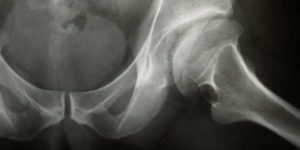
1. Chemical neurolysis of the anterior hip capsular branches appears to be a safe and effective analgesic option for AVN-related hip pain refractory to conservative management, with durable benefit in a subset of patients through 6 months. Evidence Rating Level: 3 (Average) Avascular necrosis (AVN) of the hip frequently causes refractory pain that persists despite […] The post A chemical…
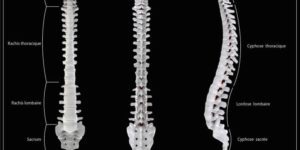
1. Although neurological symptoms (motor deficits, sensory impairment) were more frequent in patients with sitting-related sacral pain on univariate comparison, this association did not hold in multivariable analysis (aOR 0.83, 95% CI 0.21–2.95, p=0.780), indicating spinal instability—not neurological compromise—was the primary driver of this pain. 2. Patients with sitting-related sacral pain had…
1. Greater adherence to a dietary pattern with lower inflammatory potential was associated with lower dementia risk among individuals with Alzheimer’s pathology and broader neurobiological risk. Evidence Rating Level: 2 (Good) Alzheimer’s disease (AD) is a leading cause of dementia. Evidence suggests that nutrients, foods, and dietary patterns may mitigate AD. However, it is unclear […] The post…
1. In this target trial emulation, receipt of the recombinant zoster vaccine (RZV) was associated with a reduced risk of dementia among older adults admitted to skilled nursing facilities. 2. The association was more pronounced among women and among individuals who had not previously received the live attenuated herpes zoster vaccine. Evidence Rating Level: 2 […] The post Recombinant Zoster…