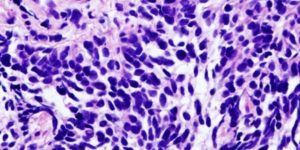
1. In this cohort study, 16 lung cancer risk prediction models demonstrated variation in screening efficiency and sensitivity across racial and ethnic groups, while generally identifying more individuals for screening compared with current guideline-based criteria. 2. Most models underestimated lung cancer risk in non-Hispanic White participants, and all models underestimated risk in non-Hispanic…
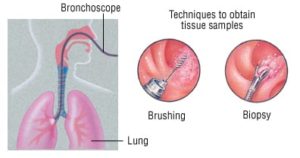
1. Transbronchial biopsy performed with a cryoprobe demonstrated a significantly higher diagnostic yield compared to conventional forceps biopsy in patients undergoing evaluative bronchoscopy. 2. Cryobiopsy produced larger and higher-quality tissue samples with less crush artifact without increasing rates of major bleeding, respiratory failure, or pneumothorax requiring intervention. Evidence…
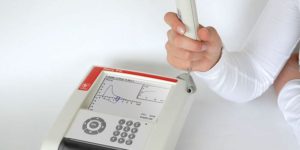
1. Doe and colleagues assessed an AI software’s ability to improve spirometry interpretation performance by primary care clinicians. 2. The AI software group demonstrated greater diagnosis prediction performance compared to the control group. Evidence Rating Level: 1 (Excellent) Study Rundown: Spirometry is widely used for diagnosing asthma and chronic obstructive pulmonary disease (COPD).…
1. The American Lung Association has issued an urgent alert regarding “mouth taping,” warning that the practice poses severe asphyxiation risks for certain users. 2. Clinical reviews indicate that mouth taping offers modest benefits for a small subset of snorers but provides no significant relief for obstructive sleep apnea. The American Lung Association (ALA) has […] The post The American Lung…
1. In this randomized controlled trial, proximal hypoglossal nerve stimulation (pHGNS) was effective in improving obstructive sleep apnea (OSA) in adults who had previously not responded to positive airway pressure (PAP) therapy. 2. No serious adverse events were associated with the pHGNS device or implantation, and most treatment-related adverse events were mild or non-serious in […] The post…
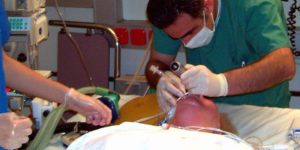
1. Routine high-flow nasal oxygen therapy (HFNOT) following extubation did not improve outcomes compared to standard oxygen therapy (SOT) in patients with an elevated risk of pulmonary complications undergoing cardiac surgery. Evidence Rating Level: 1 (Excellent) Pulmonary complications are common after cardiac surgery, particularly in high-risk groups such as smokers and those with preexisting…
1. In this target trial emulation, a shorter antibiotic course (3 to 4 days) demonstrated a similar 30-day all-cause mortality rate compared with a longer course (5 days or more) in patients hospitalized with community-acquired pneumonia (CAP). 2. The generalizability of these findings is limited due to the strict exclusion criteria used in the study. […] The post Shorter antibiotic courses…
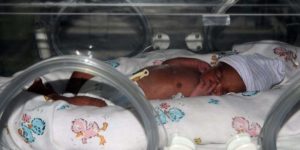
1. High-frequency oscillatory ventilation (HFOV) may reduce the incidence of bronchopulmonary dysplasia (BPD) compared with conventional mechanical ventilation (CMV) in infants born at 34 weeks’ gestation or earlier with neonatal respiratory distress syndrome (NARDS). Evidence Rating Level: 1 (Excellent) NARDS is a serious condition in premature infants and remains a leading cause of neonatal…
1. Sivelestat significantly reduced the incidence of postoperative acute respiratory distress syndrome (ARDS) compared to placebo in adult patients undergoing cardiac surgery requiring cardiopulmonary bypass (CPB). Evidence Rating Level: 1 (Excellent) ARDS is a common postoperative complication after cardiac surgery with CPB, with very high mortality rates. Neutrophil elastase (NE) is a key…
1. In this cohort of patients with Obstructive sleep apnea (OSA), a higher sleep apnea-specific hypoxic burden (SASHB) was associated with a significantly greater risk of 30-day postoperative cardiovascular events and mortality. Evidence Rating Level: 2 (Good) Obstructive sleep apnea (OSA) is common and increases vulnerability to postoperative complications as a result of the relaxation […] The…