
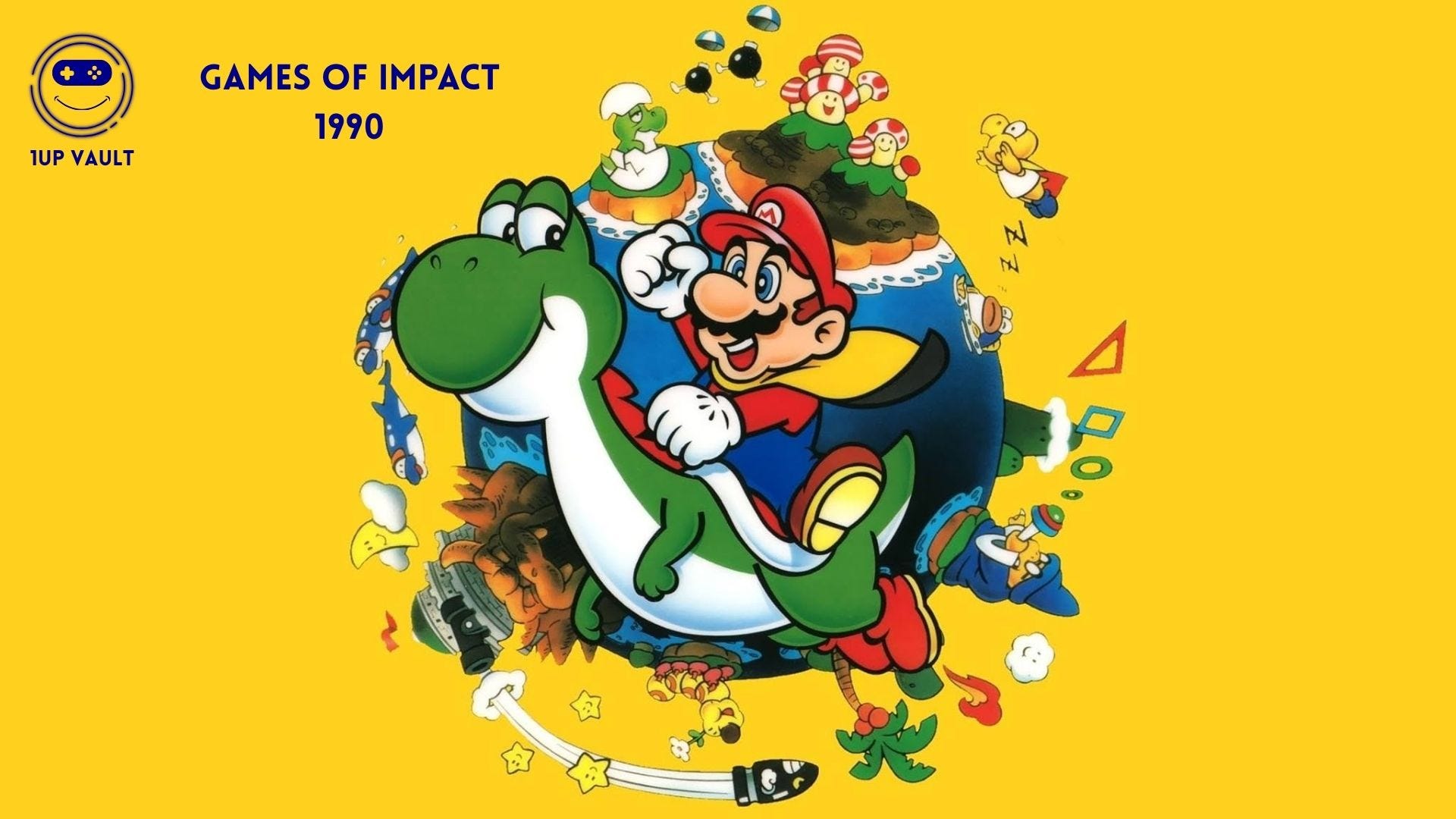
Games of Impact takes a look at the most important games in the industry’s history, with a max limit of 20 per year.
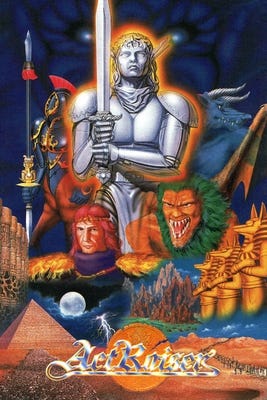
ActRaiser
December 1990 - Enix, Quintet
Key People: Masaya Hashimoto, Tomoyoshi Miyazaki, Yuzo Koshiro
Let’s get the obvious storyline here out of the way that the U.S. version obviously tried to cover up: you pretty much play as God in a quest to take back the world from the Devil. The U.S. version made slight changes to avoid any potential controversy. There are two gameplay modes in here, one where you play a simulation of creating a new civilization and have to help it prosper, and side-scrolling action sequences taking down demons. The game has become a cult classic and is consistently cited as one of the greatest Super Nintendo titles of all time, despite failing to take off as a new series.
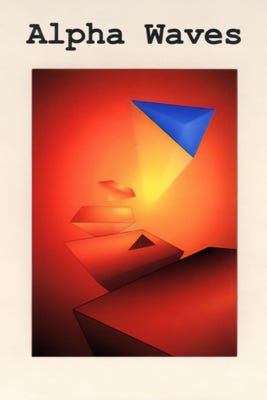
Alpha Waves (Continuum)
1990 - Infogrames / Data East
Key People: Christophe de Dinechin, Frederic Mentzen
A unique game which some consider the first 3D platformer. You control a mobile craft while navigating platforming elements, including jumping and avoiding obstacles. There are several game modes, including time challenges, multiplayer, and exploration. The game was a little too ahead of its time and failed to take off or find a way to market it; however, there’s no doubt about its importance to the eventual rise of 3D video games, specifically platformers such as Super Mario 64 and Banjo-Kazooie.
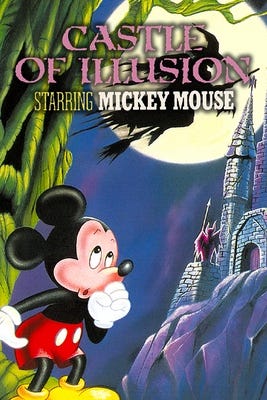
Castle of Illusion Starring Mickey Mouse
November 1990 - Sega
Key People: Emiko Yamamoto, Yoshio Yoshida, Stephan L. Butler, Tokuhiko Uwabo, Shigenori Kamiya
Arguably the most famous video game starring Mickey Mouse, Castle of Illusion has the iconic mouse going on an adventure into a mysterious castle to save Minnie Mouse from the witch Mizrabel. The game follows typical 2D platforming elements and gameplay, and is almost as good as a classic Nintendo platformer. The game became a must-buy staple of the early Sega Genesis era and one of the most memorable games of the 16-bit years. It would eventually get a remake for more modern consoles.
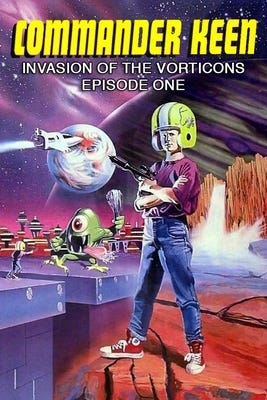
Commander Keen in Invasion of the Vorticons
December 1990 - Apogee Software, Ideas from the Deep
Key People: John Carmack, John Romero, Tom Hall
Billy Blaze, a child genius, builds a spaceship that eventually sends him on a spacefaring adventure against the alien Vorticons. He dons his brother’s football helmet and calls himself Commander Keen. Gameplay is similar to the 2D side-scrolling platformers of the time, with levels that can be skipped and secret levels, similar to Super Mario games. The game is the start of a storied career for gaming giants such as John Romero, John Carmack, and Tom Hall. The game would also launch a franchise with multiple sequels. As for the studio that made the game, Ideas from the Deep, you may better know them today as id Software.
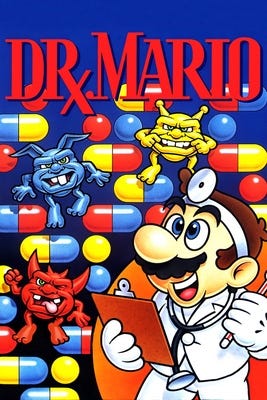
Dr. Mario
July 1990 - Nintendo
Key People: Gunpei Yokoi, Hirokazu "Hip" Tanaka
Inspired by Tetris, Dr. Mario is a block-based puzzle title that has Mario playing doctor, removing viruses by stacking pills to match their colors and earn points. You also get to hear one of the more memorable 8-bit era Nintendo soundtracks. While it was released on both the NES and the Game Boy, it was designed with the Game Boy in mind. Easy to pick up and play, and with an amazing theme song, Dr. Mario has become popular enough to have the character appear in many crossovers.
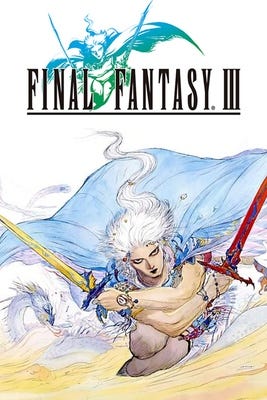
Final Fantasy III
April 1990 - Square
Key People: Hironobu Sakaguchi, Masafumi Miyamoto, Nobuo Uematsu
Four orphans find themselves in an epic adventure to restore light to the world against the mage Xande and the Cloud of Darkness after being deemed the new Warriors of Light. Final Fantasy III is the next installment in the RPG classic series, and it takes everything the first two entries did and does it better. A story filled with more side characters and arcs, this entry begins to set the formula for many of the entries that would follow. The world tries to feel bigger, and Sakaguchi and company try to push the limits of the Famicom/NES. While many of its sequels tend to top the lists of best games in the series, this entry has earned a cult following that keeps its legacy alive.
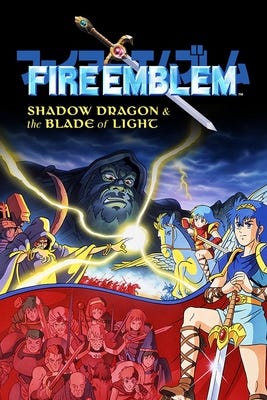
Fire Emblem: Shadow Dragon and the Blade of Light
April 1990 - Nintendo, Intelligent Systems
Key People: Keisuke Terasaki, Gunpei Yokoi, Shouzou Kaga, Yuka Tsujiyoko
In the continent of Archanea, Altea’s prince Marth sets out to take back his throne after his kingdom was taken by force by the evil sorcerer Gharnef and the Shadow Dragon Medeus. In his journey, Marth meets with allies from other kingdoms and retrieves the sword Falchion and the titular Fire Emblem shield to complete his goal and take his kingdom back. The game uses tactical, grid-based, turn-based battles, with permadeath. It was unique and became a hit in Japan, though the series would take a long time to come stateside. Despite its worldwide delay, the franchise battled through a tough period to now become one of Nintendo’s most important and consistent franchises today, with new characters and stories.
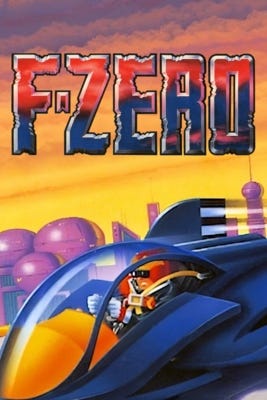
F-Zero
November 1990 - Nintendo
Key People: Shigeru Miyamoto, Kazunobu Shimizu
This futuristic high speed racer introduced the world to Captain Falcon and a new Nintendo series. It takes advantage of the Super Nintendo’s capabilities to create tight turns and a sense of speed that older hardware couldn’t, using the Mode 7 technology. Its presentation, sound, speed, and graphics earned high praise from critics and established the game as a legend of its era. The series has since become a franchise with multiple sequels, despite longer release windows between releases. It’s also spawned many inspirations and imitators, including games like Wipeout or small sections with similar gameplay in many platformers.
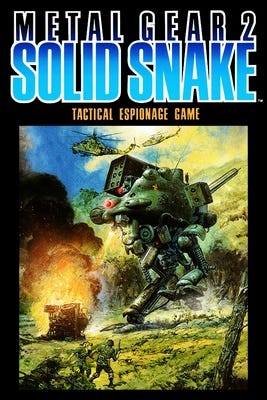
Metal Gear 2: Solid Snake
July 1990 - Konami
Key People: Hideo Kojima
Set a few years after its predecessor, Solid Snake must go to Zanzibar Land and rescue a scientist, while dealing with a new, revised Metal Gear. The game uses the same stealth-based systems and combat, but now enemies are smarter and can follow you to new areas, raising the tension. The game evolves Solid Snake’s arc and sets up important events leading up to the future entry Metal Gear Solid. Metal Gear 2 is the start of Kojima really embracing this world and his long term involvment with the franchise.
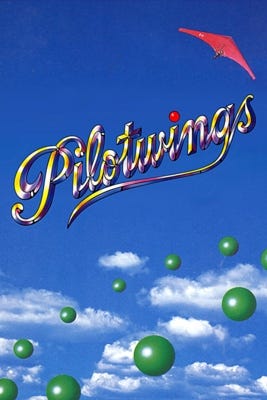
Pilotwings
December 1990 - Nintendo
Key People: Shigeru Miyamoto, Tadashi Sugiyama
Nintendo released Pilotwings during the Super Nintendo's launch window, as the game serves as a technical hardware showcase for the system. It’s based on flight simulation and has the player complete challenges to earn their license. It has different ways to navigate, including a jet pack and hang gliding. While fairly simple, the game is memorable for many who grew up with it and is a fun way to showcase the Super Nintendo's capabilities.
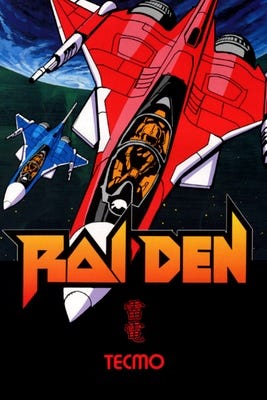
Raiden
April 1990 - Tecmo, Seibu Kaihatsu
Key People: Hitoshi Hamada, Akira Sato
Vanquish Crystal Defense, an Earth defense duo of pilots, are tasked with saving the Earth in 2090 from an invading alien force. The game is a vertical shooter in which players navigate eight stages to complete their mission. It has fast-paced action, lots of enemies, and shooting, making it a visual feast for players. The game also has some quality-of-life improvements over similar games in the genre, specifically checkpoints that keep the player motivated. Raiden spawned many sequels and inspired many future titles.
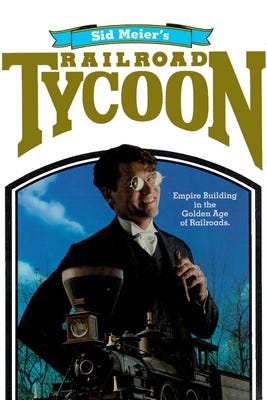
Sid Meier’s Railroad Tycoon
1990 - MicroProse
Key People: Sid Meier, Bruce Shelley, Jeff Briggs
You run a railroad company, and your goal is to make it as powerful as possible. Along the way, not only are you managing networks and railroad tracks, but you're also avoiding stock takeovers and dealing with the competition. The realism and simulation of the business received high praise and led to many awards, including the Computer Game of the Year. This would be one of the first successes in the emerging genre of simulation games and another mark on the impressive resume of Sid Meier.
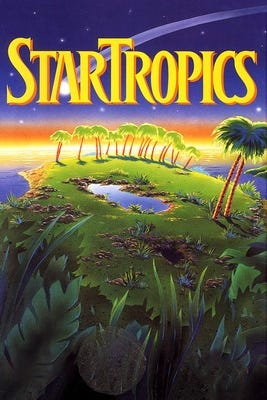
StarTropics
December 1990 - Nintendo, Locomotive Corporation
Key People: Genyo Takeda
The high school captain of the football team, 15-year-old Mike Jones, finds himself in a crazy adventure after going to see his uncle. On a fictional tropical island, Jones realizes that there’s an alien invasion starting. Armed with a yo-yo, he looks to stop the invasion and find his uncle. This cult classic has a top-down 2D overworld perspective as you explore different areas, solve puzzles, and take on aliens. The original release of the game included a physical letter that the player had to dip in water to read and get a code. While it never took off as a major Nintendo franchise, StarTropics has become a cult classic of its era and features world exploration elements still used in modern games.
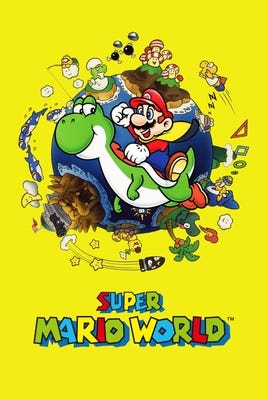
Super Mario World
November 1990 - Nintendo
Key People: Shigeru Miyamoto, Takashi Tezuka, Koji Kondo, Katsuya Eguchi
THE launch game of the Super Nintendo, Super Mario World is the next evolution of the Super Mario Bros. series. Mario sets out to save Princess Peach/Toadstool again, but this time he also allies with the dinosaur Yoshi in Dinosaur Land. You have an overworld map similar to Super Mario Bros. 3, but it’s larger and designed to show the entire land rather than just one section. You have your Mario power-ups, but the addition of riding Yoshi and power-ups like the flying cape add some new ideas. The game can be played straightforward or even unleash a bucket of secret areas and expanded worlds, leaning into the idea that Mario is traversing a world, not just a level. There are also elements involving Bowser and his children that have become formulas and staples of the series since then, such as the Clown Car.
The game’s colorful feast, impressive pixel art, addictive fun, and variety instantly established that Mario wasn’t going anywhere. The game received high praise, awards, and is to many the de facto game of the year. When the greatest video game lists are made, it has joined other Mario entries like Super Mario Bros. 3 in a debate over which of the 2D entries deserves to be among the top 10 greatest games of all time. Its legacy, even as it gets older, doesn’t vanish. For my personal money, this is the greatest 2D Mario game I’ve ever played.
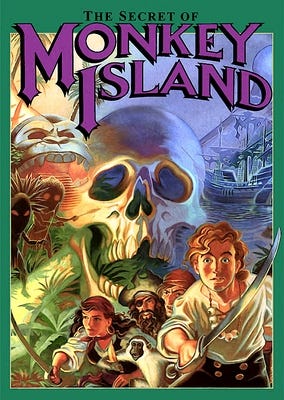
The Secret of Monkey Island
October 1990 - Lucasfilm Games
Key People: Ron Gilbert, Greg Hammond, Tim Schafer, Michael Land
Set in the age of piracy, you play as Guybrush Threepwood, a young man who seeks to become a pirate. He’s told about an expedition to Monkey Island, which sets him off on an adventure for treasure, romance, and frienship. The game’s story has been highly praised for its humor, character arcs, and unique ensemble of quirky characters. Ron Gilbert deliberately made Guybrush practically unstoppable, so the game focuses on solving puzzles and advancing the narrative in a point-and-click adventure. In addition to launching a successful series, The Secret of Monkey Island received such praise that some early game publications even called it the greatest video game of all time. It’s also an early major point for future icon Tim Schafer, whom I personally like to call the Tim Burton of the industry.
No posts
Comments
Nothing yet. Say the first thing.
Sign in to join the conversation.