
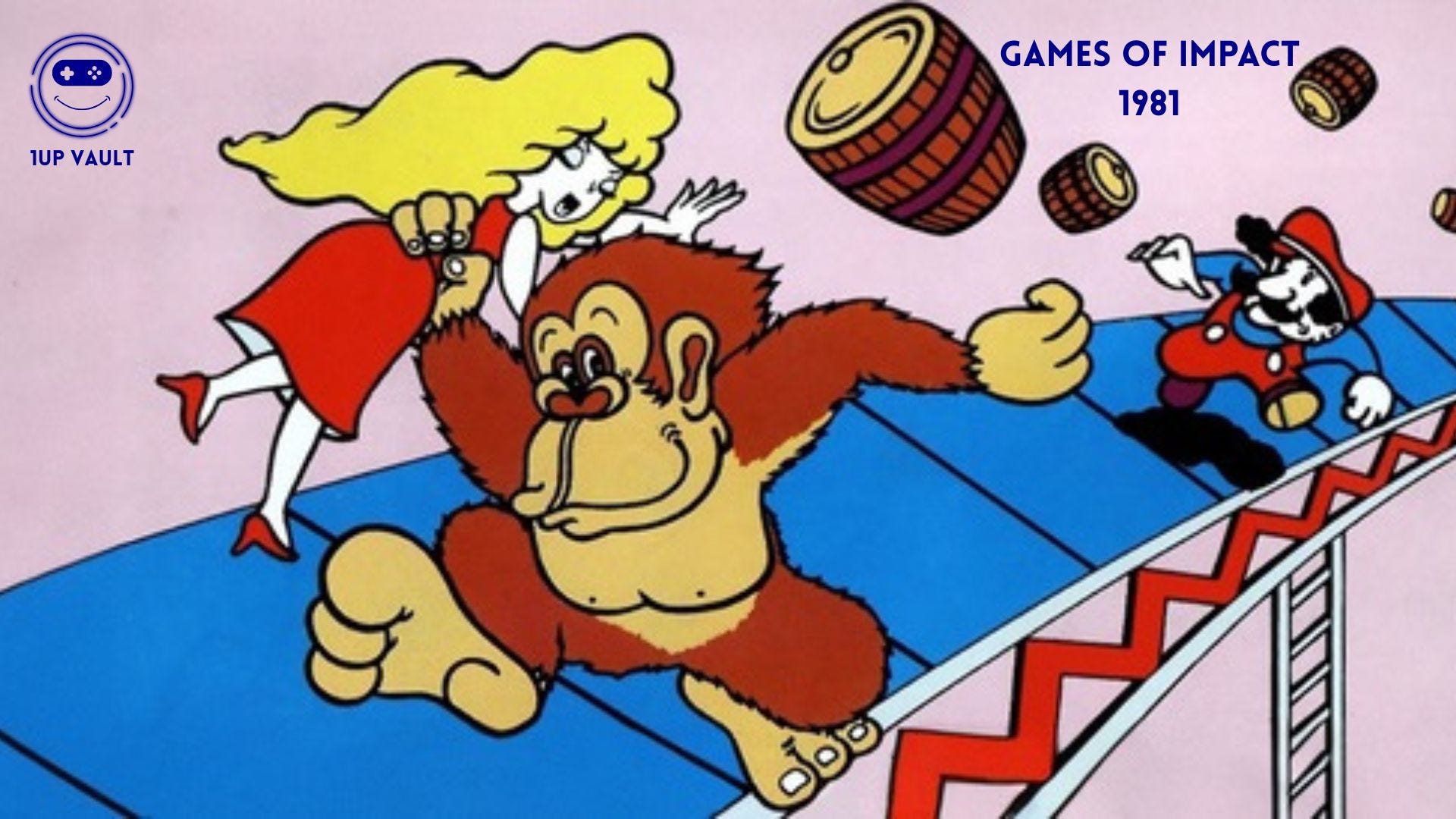
Games of Impact takes a look at the most important games in the industry’s history, with a max limit of 20 per year.
NOTE - This is a re-release of my Strachey’s List series, just renamed and reformatted. I’ve made small changes to reflect more accurate information.
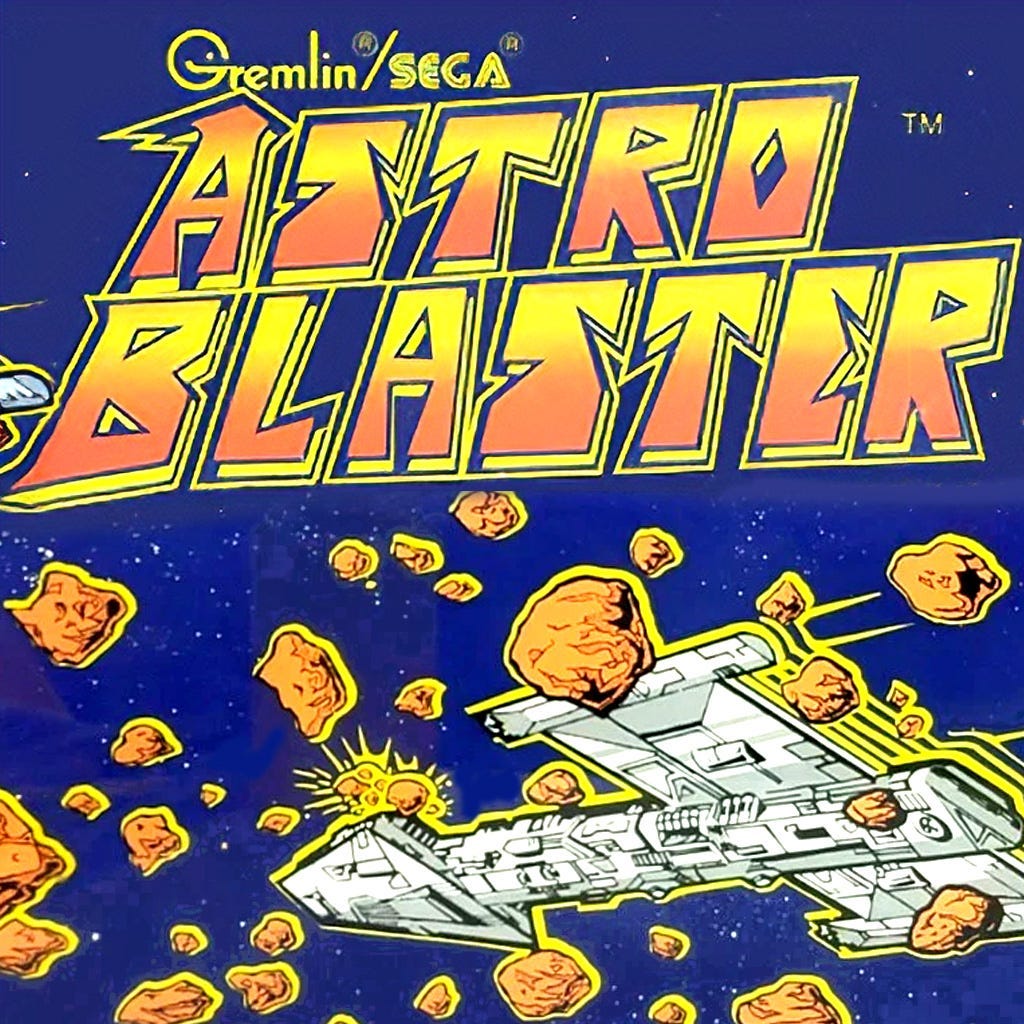
Astro Blaster
March 1981 - Sega / Gremlin
Key People: Gary Shannon, Barbara Michalec
This fixed shooter came out as the golden age of the genre was getting going. The player controls a spaceship and battles through waves of enemies. While this is the basics for the genre, the game adds monitoring of functions in the ship. You have to make sure the temperature and ship’s lasers don’t overheat. Players also have to make sure the fuel doesn’t run out. The game went on to be in multiple classic game compilations and even made an appearance as an arcade cabinet in the Dreamcast classic Shenmue.
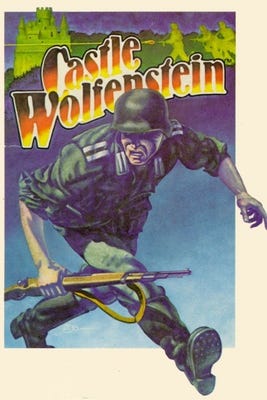
Castle Wolfenstein
September 1981 - Muse Software
Key People: Silas Warner, Dale Gray, George Varndell
You are a prisoner of war during World War II being kept in Castle Wolfenstein. The player breaks out and must navigate through the castle to find Nazi secrets and escape. It uses a top-down perspective and is one of the first games to use stealth mechanics. The rooms in the castle are procedurally generated and the player can loot enemies and open chests. The game was a huge success, becoming one of the top selling games in the early 1980s. It received praise as a technical and graphical showing. Castle Wolfenstein would go on to be the first in a cult favorite franchise that’s still around to this day.
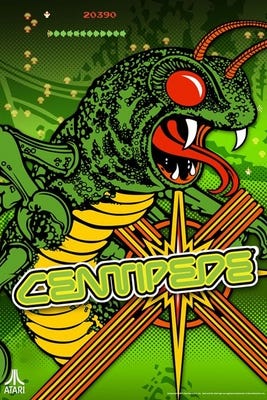
Centipede
August 1981 - Atari
Key People: Dona Bailey, Ed Logg
One of the games associated with the golden age of arcades, Centipede is a fixed shooter that has the player shoot down a segmented titular creature that makes its way down the screen. You also encounter creatures and enemies that drop down as well. Each creature and segment of a centipede gives you specific points to add to your score. It was developed by arcade gaming era icons Ed Logg and Dona Bailey. Dona was one of the first female game developers to make a hit game and Centipede in turn became one of the first games to become hugely popular with female players during a time when gaming focused primarily on male demographics. It is a symbol of the pre-NES era gaming years.
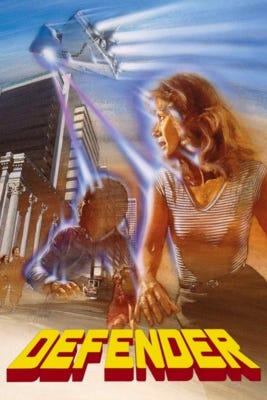
Defender
March 1981 - Taito / Williams Electronics
Key People: Eugene Jarvis, Larry DeMar
Developed by pinball engineer Eugene Jarvis, with Larry DeMar providing help, Defender is a scrolling shooter that was made from the inspiration of the space shooters that had become the most popular genre in the arcades. The game’s audio and graphics were praised and considered as a hardware showcase for arcade gaming. The use of the horizontal aspect for a shoot ‘em up crated a new sub genre for the space shooters. A port for the game was made in 1982 for the Atari VCS and went on to sell over 3 million copies.
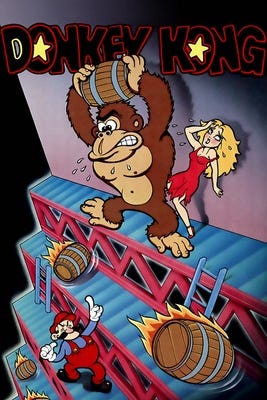
Donkey Kong
July 9, 1981 - Nintendo
Key People: Shigeru Miyamoto, Gunpei Yokoi
With Nintendo’s RadarScope proving to be a commercial failure and the company being stuck with unsold arcade cabinets, they looked to the unproven Shigeru Miyamoto to replace the game with a hit. The toy company was struggling to break into the world of video games and they were waiting on that one big hit. Luckily for them, Miyamoto would deliver an all-time classic. You play as Jumpman, who must rescue Pauline from the clutches of the gorilla with the titular name of Donkey Kong. The monkey throws barrels and obstacles as you climb the construction sites to reach your girlfriend and rescue her. Taking a lot of inspiration from the Popeye cartoons, the game became a mega hit that went beyond video games and into mainstream pop culture. It not only catapulted Nintendo as a major name in the video game industry, but began the career of the man many consider the greatest video games developer of all time. Jumpman would also get a new name later down the road and become the face of the entire industry.
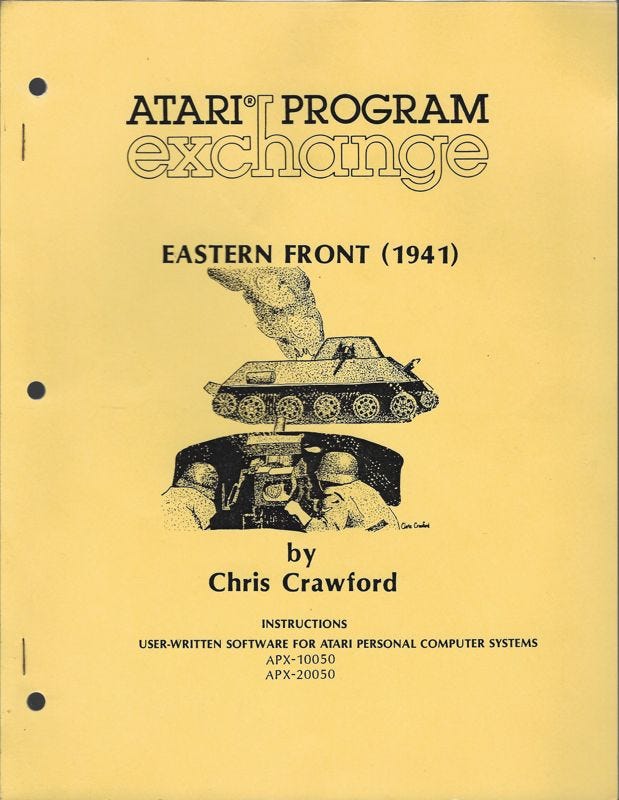
Eastern Front (1941)
August 1981 - Atari Program Exchange
Key People: Chris Crawford
Atari had a program called the APX (Atari Program Exchange) which would let smaller and independent developers make games for their 8-bit computers and mail them out to customers. Chris Crawford took advantage of the program to make Eastern Front (1941), a strategy war game that had players control the Germans during their invasion of the Soviet Union in Operation Barbarossa. It became such a hit, Atari went ahead and made an official cartridge to sell. The game’s critical response was off the charts, with Computer Gaming World calling it one of the most impressive games they had seen at the time. Interestingly, Chris released the source code of the game in 2013, setting it up for preservation.
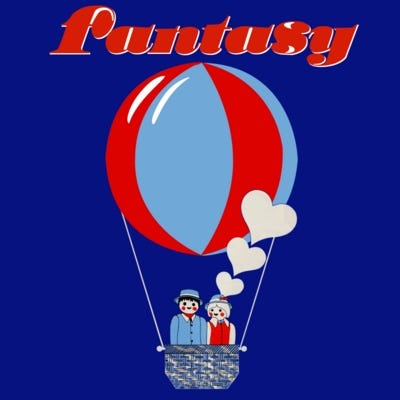
Fantasy
October 1981 - SNK / Rock-Ola
Developed and published by SNK, Fantasy is an action game that became notable for its sound design. You play as Tom, who has to rescue his girlfriend Cheri and uses a hot air balloon to travel to various parts in his journey. The game has eight levels, with some chase sequences thrown in. While it’s not an absolute classic of the era, it is a technical and graphical marvel. The game has a good amount of color, variety, and personality. In many ways, it was an early showcase of the soon to come NES-era style of video games.
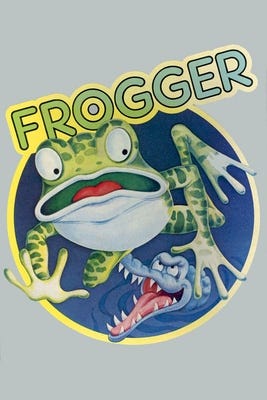
Frogger
August 1981 - Konami
Key People: Takahide Harima, Takeshi Hara
The simple but addicting game that has you play as a frog who has to cross through obstacles to reach an empty house. It went through a skeptical process during development as many didn’t expect the game to be popular. However, it found an audience with many, including female gamers who weren’t as crazy about the many shoot ‘em ups taking over the industry at the time. Today, Frogger is one of the few games that even non-gamers know, proving many of the detractors in the corporate process wrong.
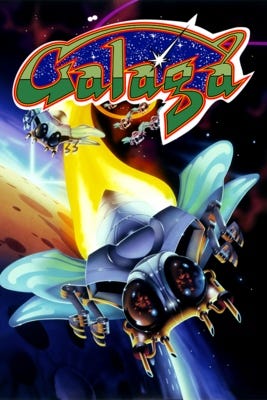
Galaga
September 1981 - Namco / Midway
Key People: Shigeru Yokoyama
The sequel to Galaxian, Galaga is a continuation of that title as you take down the invading enemies. The player has to watch out from being caught by a tractor beam as well. It also has bosses in the form of “Boss Galaga” which accompanies the wave of enemies in each level. Galaga has gone on to become one of the most famous video games of the 1980s and is synonymous with arcade shoot ‘em ups.
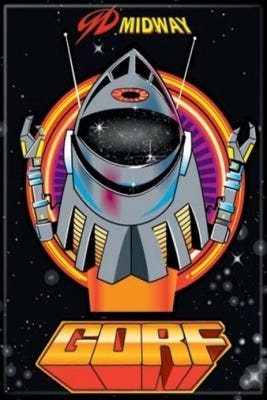
Gorf
February 1981 - Midway, Dave Nutting Associates
Key People: Jamie Fenton
Another game in the popular arcade fixed shooters, Gorf has players go through five varied levels with different approaches, including a Space Invaders inspired one and another inspired by Galaxian. As you play, you can advance your ranks going from Space Cadet to Space Avenger. The sound design for the time is impressive, which the robotic voice of an enemy heckling the player. Interestingly, the game was originally going to be an adaptation of Star Trek: The Motion Picture. Eventually, it became its own game. The main designer for the game is Jamie Fenton, who is a mainstay in computer technology and worked in some capacity in several early video games. Fenton transitioned from male to female in the late 90s and has been an active member of the community and its causes.
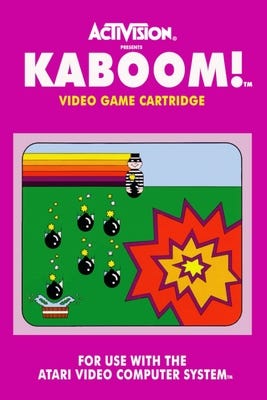
Kaboom!
July 1981 - Activision
Key People: Larry Kaplan
A talented group of designers left Atari and formed Activision to receive better payout and recognition. Kaboom! is one of their first titles and is heavily inspired by 1978’s Avalanche. You have to stop a mad bomber, who is dropping bombs down and you have to catch them with a bucket of water. The game was made by gaming and computer graphics icon Larry Kaplan, with David Crane in charge of the graphics. The game went on to help Activision achieve record profits at the time. It received high praise for its animations and graphics.
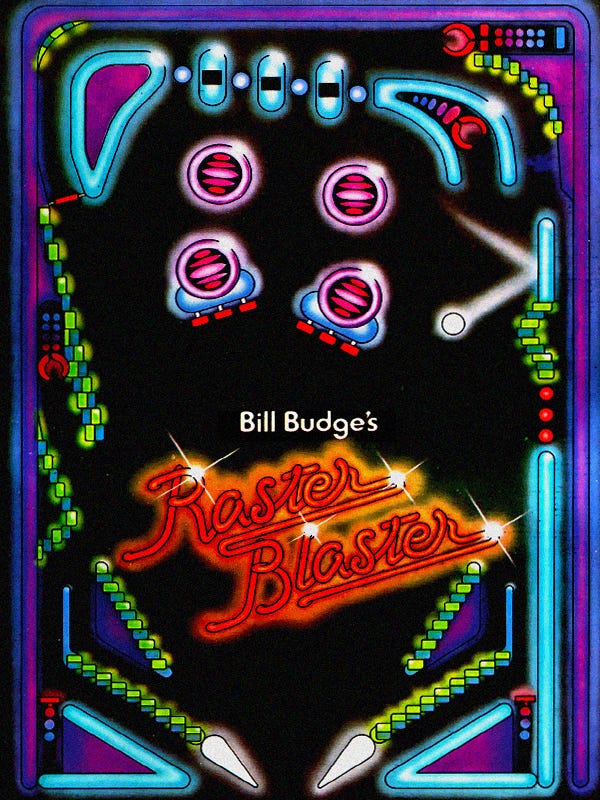
Raster Blaster
1981 - BudgeCo
Key People: Bill Budge
A simple game that copies the golden era mechanical pinball cabinets and turns it into a video game. Despite its simplicity, Raster Blaster showed the still fun nature of the classic and much older pinball mechanics for gaming. It was released for the Apple II computers, and eventually made its way to Atari’s 8-bit computer line. Raster Blaster became the best example of a well done pinball video game and has gone on to inspire many future pinball simulated games.
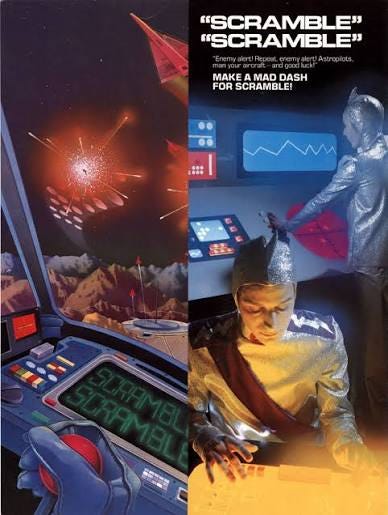
Scramble
March 1981 - Konami / Stern Electronics
This game has players control a futuristic craft that explores and traverses different terrains, dealing with obstacles and enemy tanks. It quickly jumped up in the charts and became one of the most successful games of the early 1980s. For Konami, it was their first mega hit and put the company on the map. Scramble has gone to get multiple re-releases and is seen as a staple of the scrolling shooters of the pre-NES era.
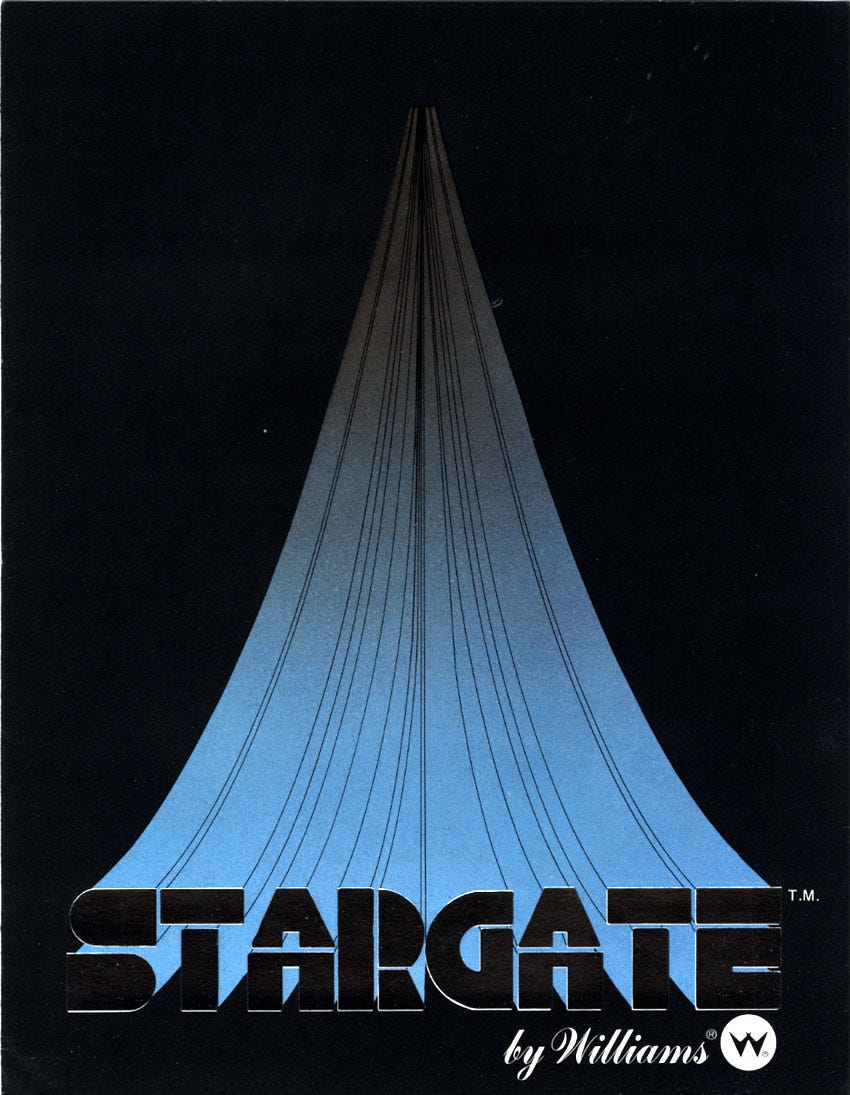
Stargate / Defender II
October 21, 1981 - Williams Electronics / Vid Kidz
Key People: Eugene Davis, Larry Demar
Believe it or not, this is a sequel to a game released in the same year and on this list - Defender. With the success of said game, its sequel began production immediately and was released for the fall season. It’s a scrolling horizontal shooter that plays similar to its predecessor but adds new enemies and weapons for the player to use. In many ways, its Defender perfected. Later on, the game was renamed in some countries to Defender II for legal reasons, and it’s most likely the name you will find it with in many of the classic game compilations and re-releases.
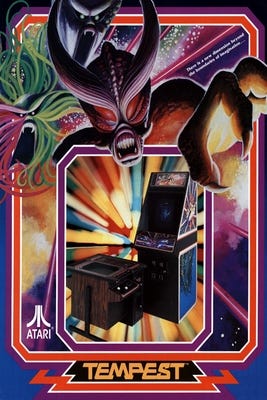
Tempest
October 1981 - Atari
Key People: Dave Theurer
One of the more technical impressive games of the era, Tempest has you play in a 3D surface which is divided into different lanes. You control a blaster that sits on the edge and goes from segment to segment to fire shots at enemies. It started out as yet another inspiration of Space Invaders, but the game’s concept changed as development progressed. The game became known for its impressive graphics, especially its use of three-dimensional space in the 8-bit arcade and computer era.
Ultima
June 1981 - California Pacific / Origin Systems
Key People: Richard Garriott, Kenneth W. Arnold
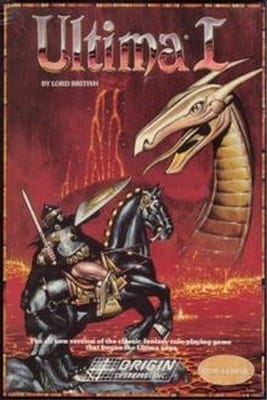
Created by Richard Garriott and establishing the role-playing series of the same name, Ultima would later be known as Ultima I: The First Age of Darkness. The evil wizard Mondain is using the Gem of Immortality to enslave the world and you must find the gem to be able to defeat him. The Stranger comes from another world to take the wizard down and the player must guide the character through an open world space that includes dungeon crawling. Ultima is considered the first open world adventure computer game and is seen as a the defining game that established many of the norms in the role-playing genre. It has character creation and points you can assign to various stats like charisma and strength. The player also has multiple races to pick from. It’s pretty impressive the range of features and gameplay mechanics the game gives for the time it was released.
There’s no doubt that Ultima is in many ways the start of what we now consider the Western RPG genre. At the time, many considered it to be the greatest video game ever made and it received critical acclaim from early gaming media. It would launch a franchise and inspire many future ones in return.
No posts
Comments
Nothing yet. Say the first thing.
Sign in to join the conversation.