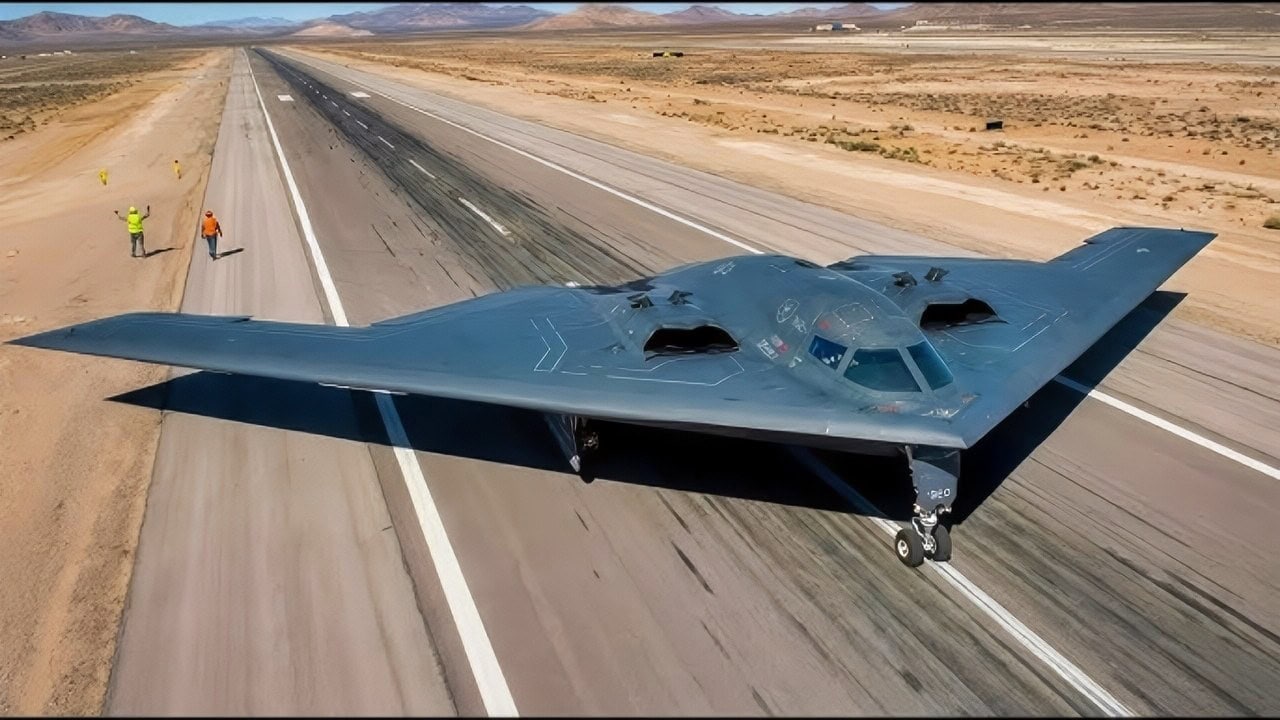
February's B-2 and carrier-fighter drill off California was a rehearsal. In June a Spirit fired a live anti-ship missile and put the ex-USS Juneau on the bottom north of the Marianas — the first public confirmation the B-2 carries LRASM, and the clearest signal yet of how America plans to fight at sea.
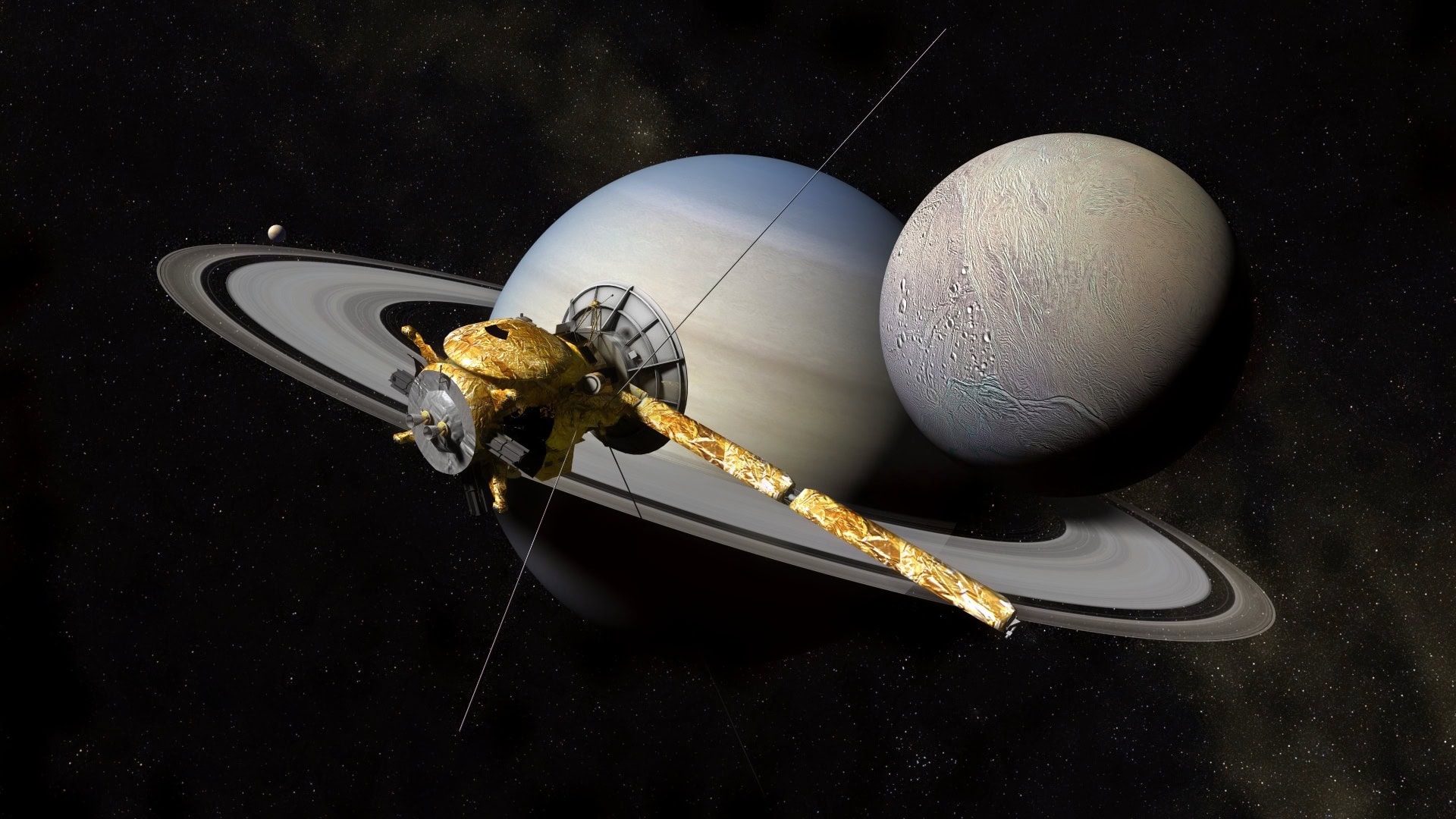
The probes rewrote Saturn's rings: possibly younger than the dinosaurs, raining an Olympic pool of ice into the planet every half hour, ten meters thick across a span of twenty Earths, streaked with spokes physics can't explain, and ringing like a bell that let scientists see the planet's slushy core.
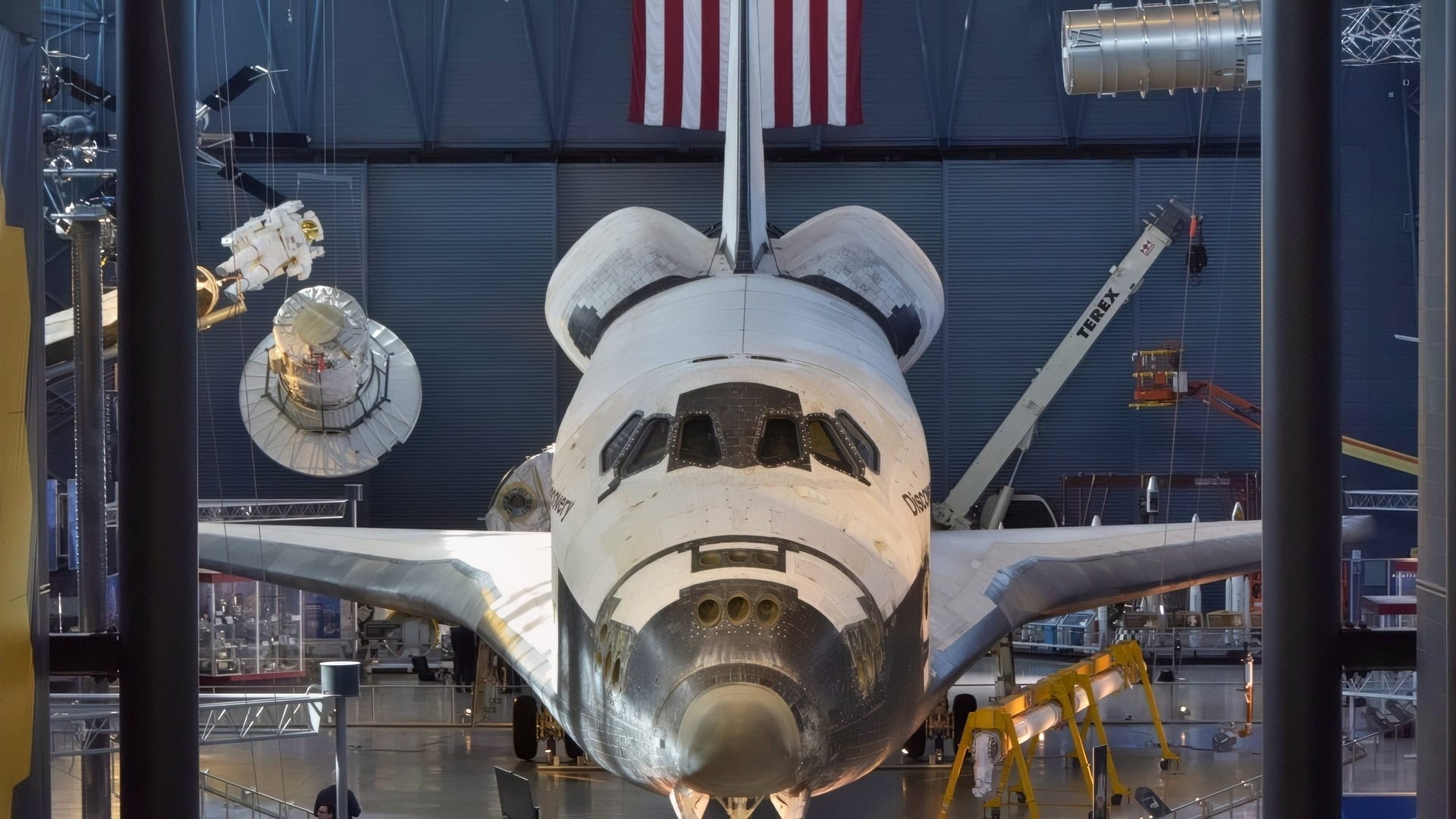
From Nixon's 1972 promise to the museums: the Space Shuttle's development bill doubled, its fleet built the space station and saved Hubble, and two terrible mornings took fourteen astronauts. At every mission's end it hit the atmosphere at Mach 25 and glided home without engines — the fastest machines humans ever rode, now standing in four museums.
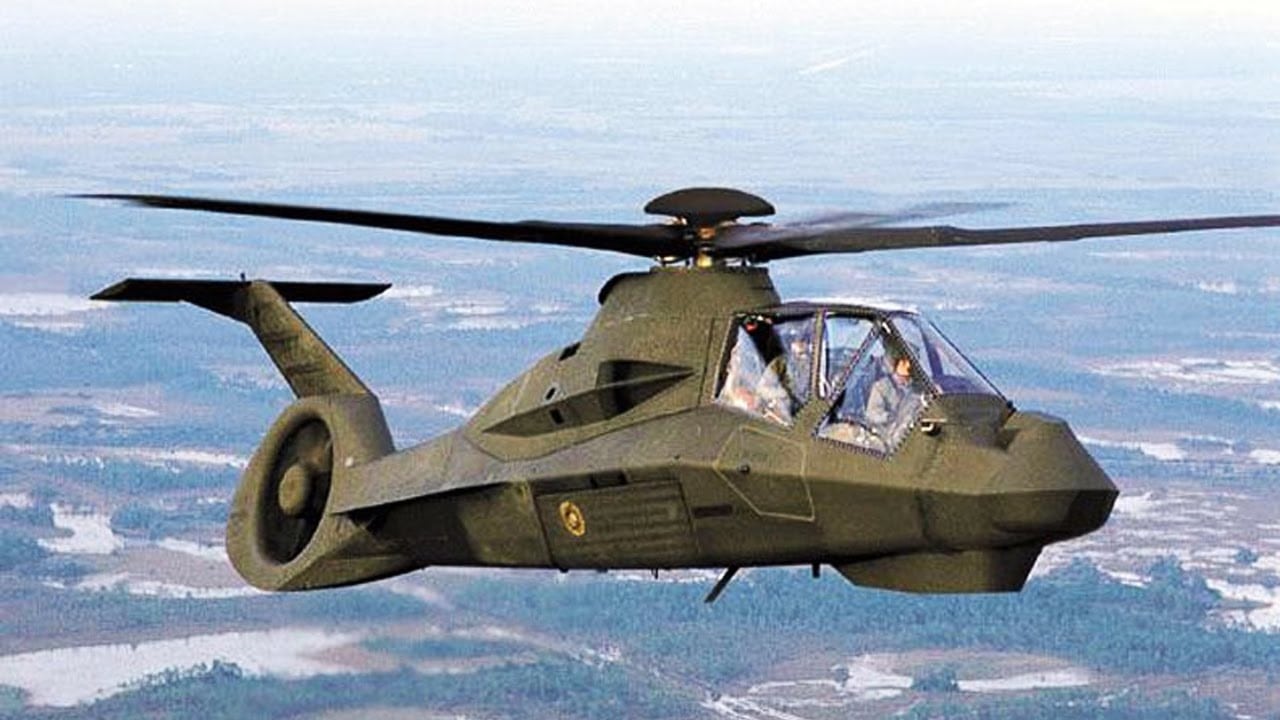
Despite the novel ideas behind the RAH-66, the project ultimately never got past the prototype stage. The program simply did not offer enough bang for its buck and was plagued by mismanagement and constantly shifting requirements.
Analysts dismissed American control of the Strait of Hormuz as a near-impossible task. The US government now says it has been helping tankers move up to ten million barrels a day through it, while the blockade on Iranian exports and imports has tightened. Only weeks ago Tehran was threatening to widen the war and leave no political border safe.
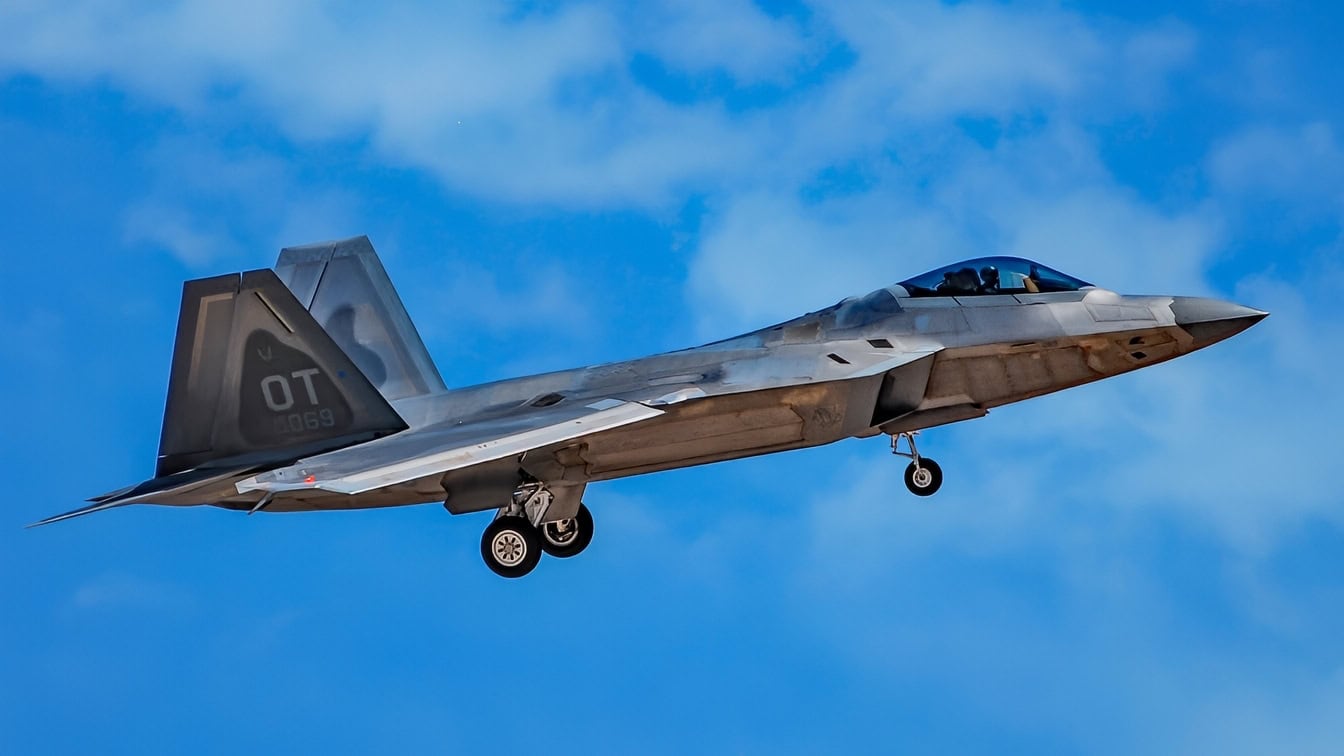
Vice Adm. Richard Dunleavy publicly questioned whether the Navy needed the F-22 Sea Raptor at all, citing its weight, as Cold War defense budgets tightened.
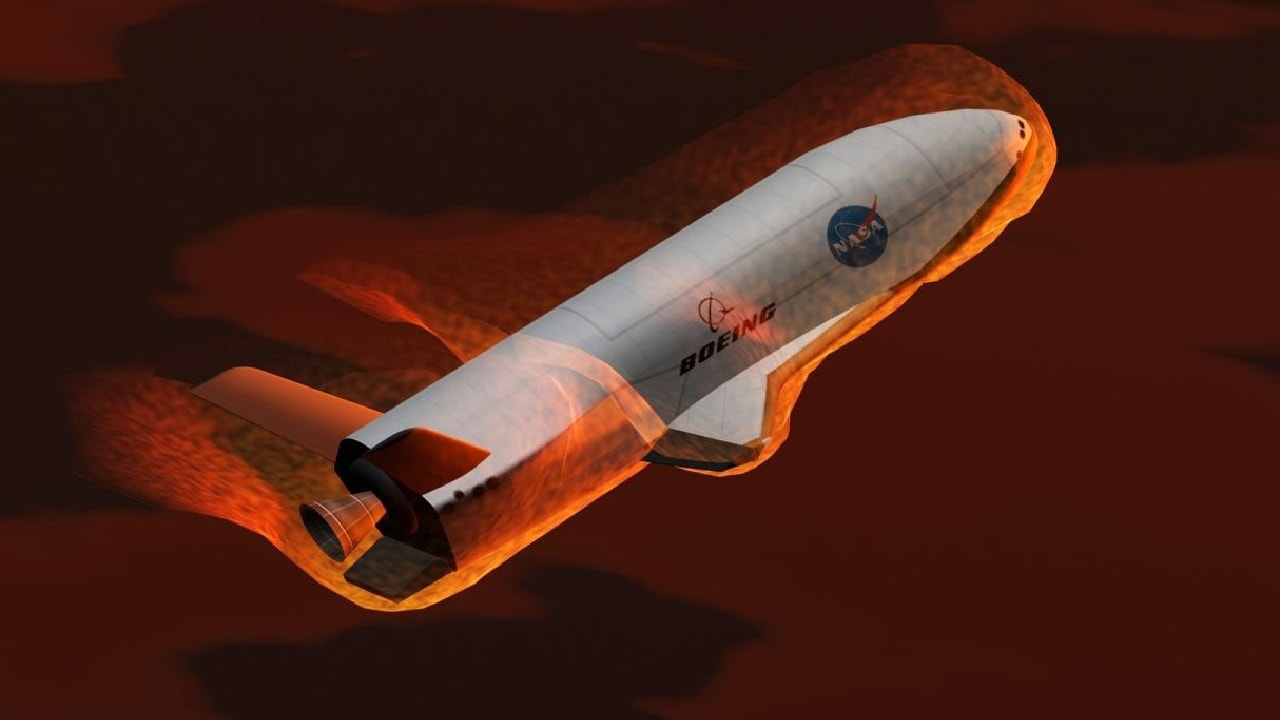
One year into its eighth classified mission, the X-37B keeps breaking its own records: 908 days aloft, stealthy aerobraking, a quantum sensor that navigates without GPS. Moscow says it's a nuclear bomber. Analysts say the bay is too small and the logic too poor — and that the ambiguity itself is the point.
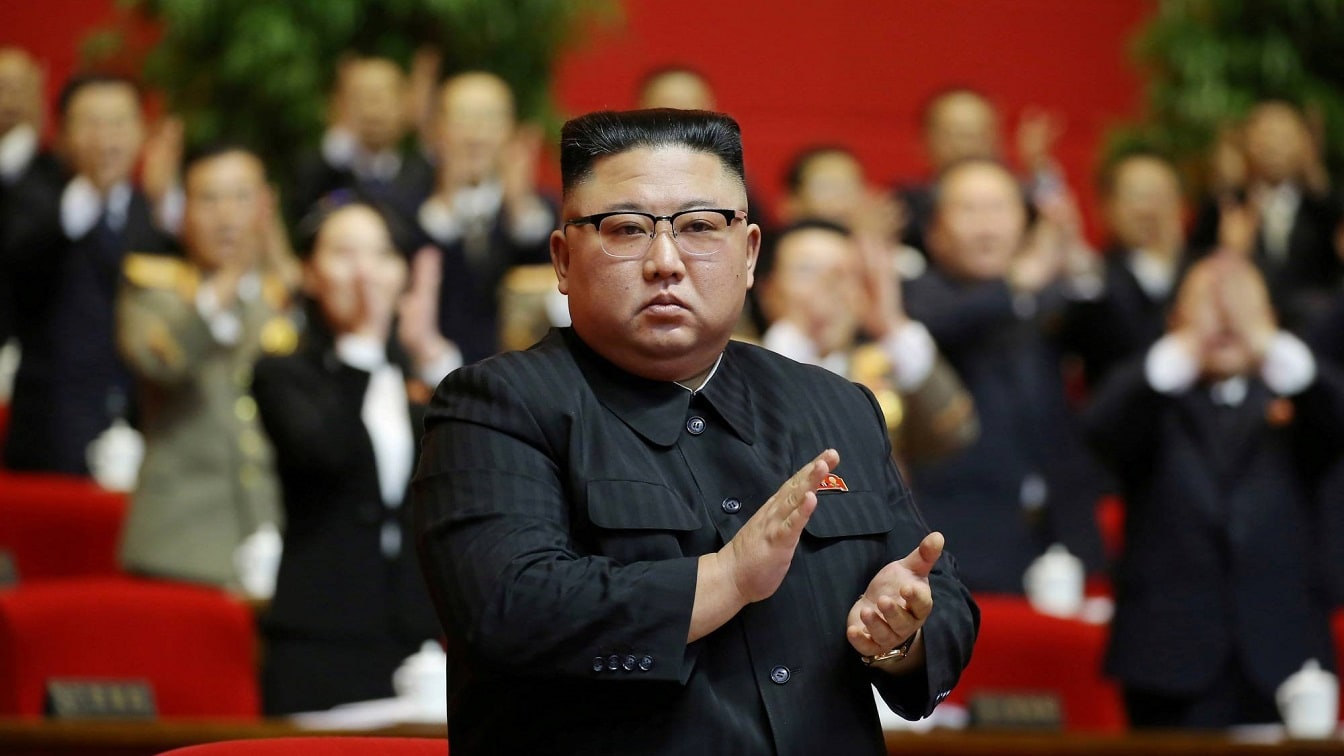
As President Trump downsizes the Ulchi Freedom Shield war games after South Korea declined to help with Iran, one uncomfortable fact goes almost completely unreported: nearly every major weapons system Iran has used against U.S. forces since the war began — the Qiam, the Shahab-3, the "son of Musudan," Yono-class submarines, fast attack craft, and the underground complexes at Natanz and Isfahan —…
Drones reached Moscow on three of the last five nights. A ballistic missile would not extend Ukraine's reach so much as compress Russia's warning window. The case made here is that Washington and Kyiv should sort the target categories now rather than in the hours after something goes wrong.