
I shit you not, serendipity is one of my favorite phenomena. The feeling of unexpectedly finding something valuable to you while on the hunt for something else entirely is one of those unmatched occurrences. A happy accident is peak humanity.
I was searching for art reference for the OneNation pages I’ve been working on. Googling cover art, panels, etc., and came upon a fact I hadn’t realized. A blast from the past that ended up being weirdly providential.
The first comic I ever read was Classic X-Men, reprints of the runs from the Claremont/Nocenti era. I've mentioned it before in my retelling of my origin story so many times, no biggie. Its the issue where Wolverine is savagely fighting his way through the Hellfire Club.
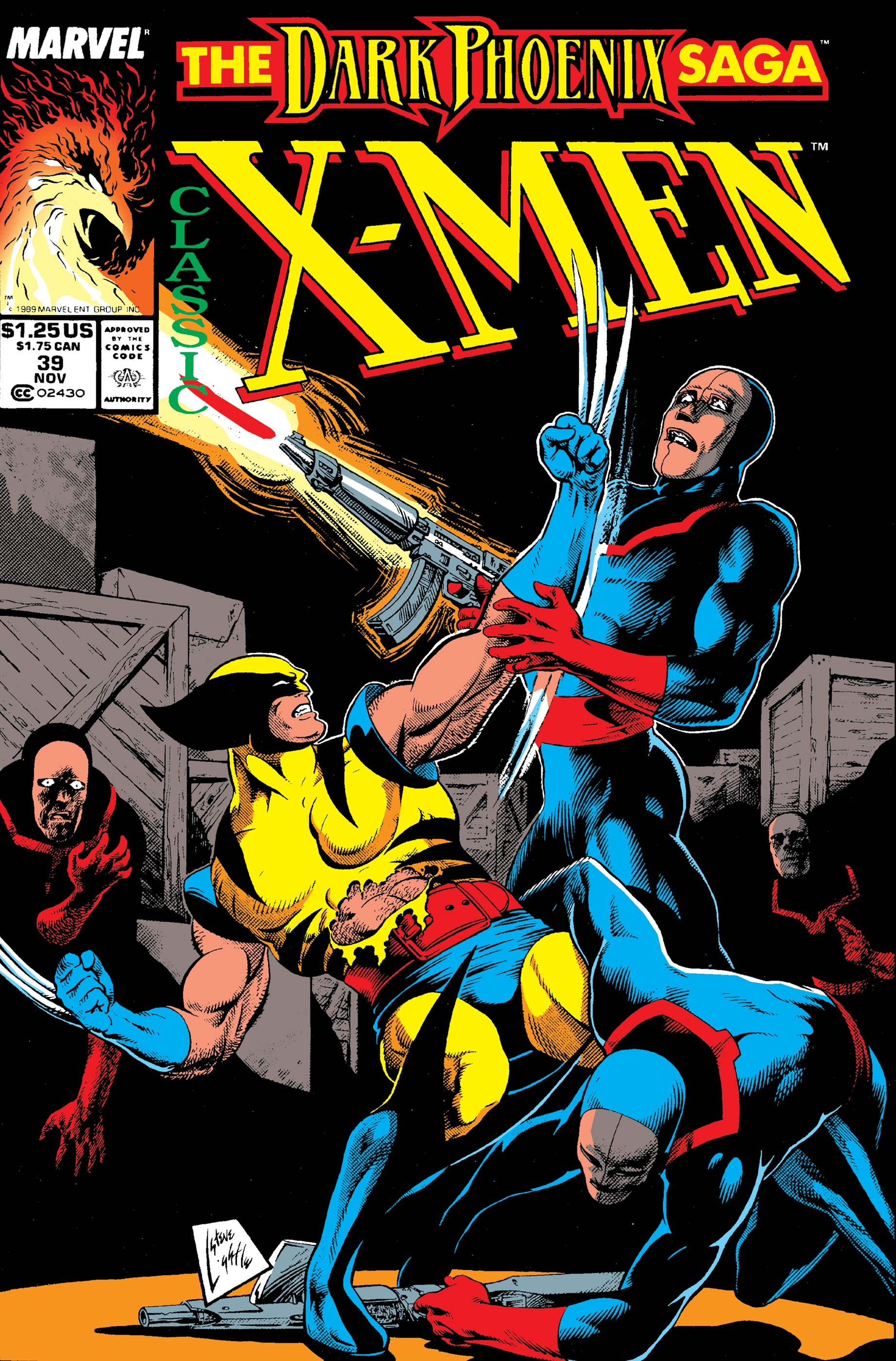
It's seminal X-Men and a quintessential Wolverine moment, we all know that shit. But what I hadn't realized until I dug a little deeper was the actual issue number. When I finally got curious enough to look it up, I discovered something that felt almost cosmic: the Uncanny X-Men issue in question is numbered 133!
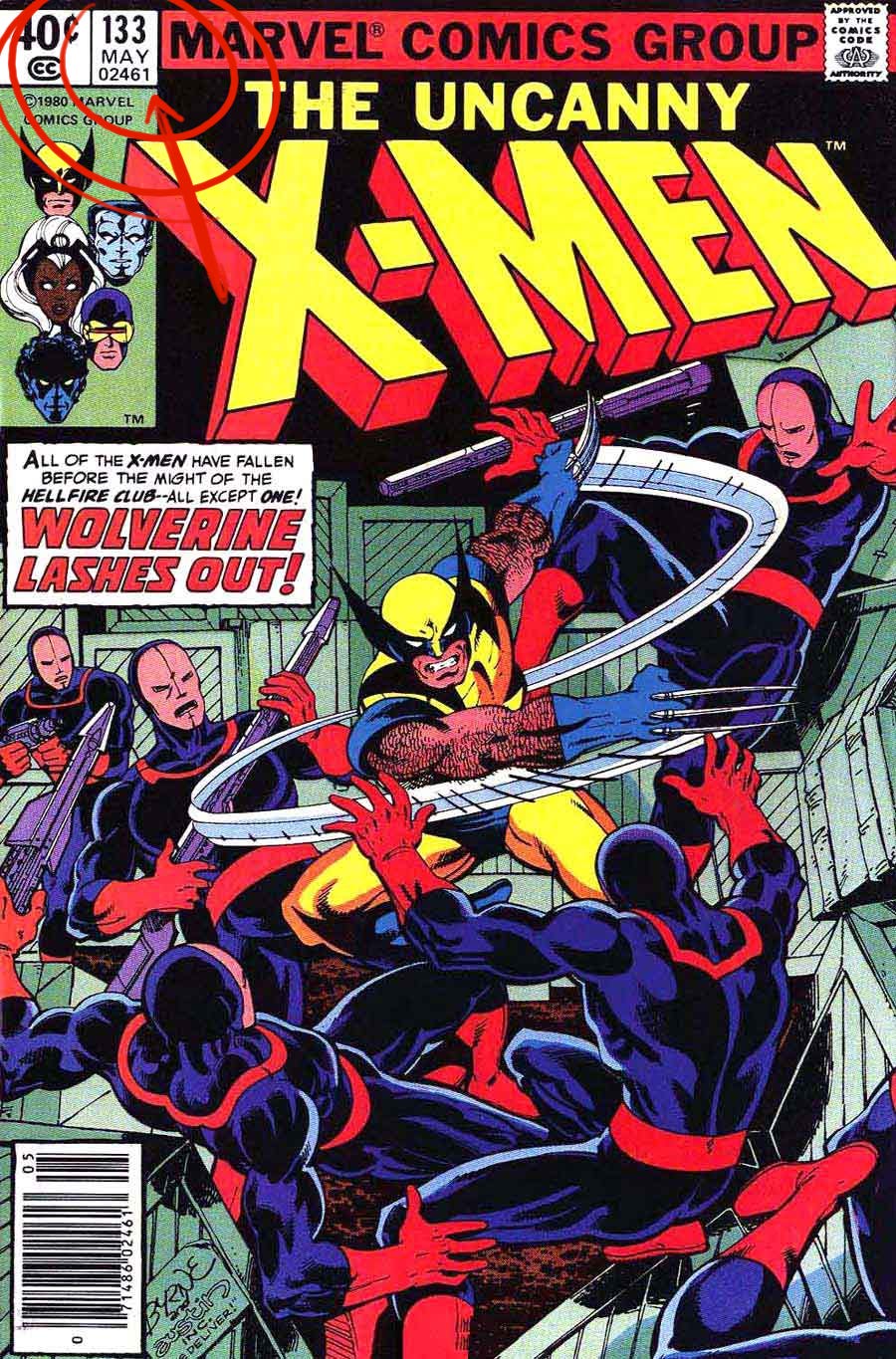
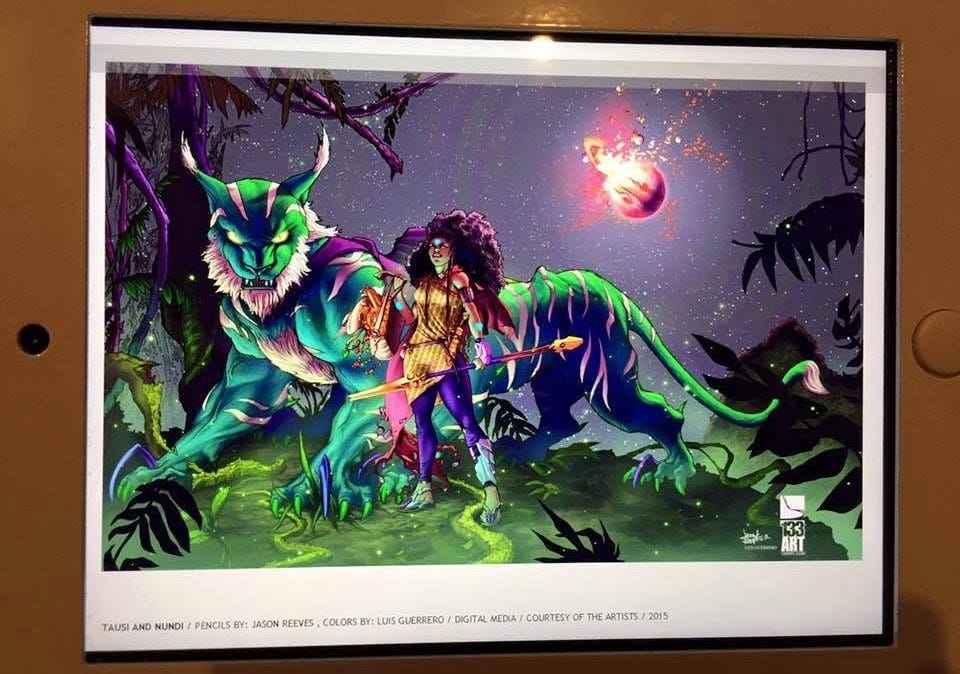
B R U H, The first comic I've ever read was issue #133 of Uncanny X-Men, the same number I would go on to use in the name of my comic imprint. Totally by chance (especially if you've heard the story of how I got to that number lol). My mind was blown but also it felt like a confirmation. Now I don’t know how the issue number escaped me all these years. its been awhile since I went back into the crates and the only version of it I have is probably in a reprint trade paperback, so maybe I just never paid attention beyond the Classic X-Men issue number? IDK, it is definitely out of character for me though, because even though I loathe to admit it, I'm a Collector. Maybe ‘loathe’ is a strong word.
Don’t get it twisted, I LOVE comics and pop culture related media. I just don’t like the idea that I’m hoarding a whole bunch of…stuff, I guess? The oversight feels particularly jarring because a collector is someone who is typically thought of as one who obsesses over details of their collections.
Could be a mainstream vs. indie comics sort of thing too. Don't get me wrong, like above, I have love for my mainstream comics but those get tossed around, read in the bathroom (TMI lol), and generally man handled without special consideration. The comics created by Black creatives though are different in my eyes. They're more exclusive, more precious, closer to my heart and I'm more delicate with them. They get their own book shelves in the Middle Room (word to Michael Harriot).
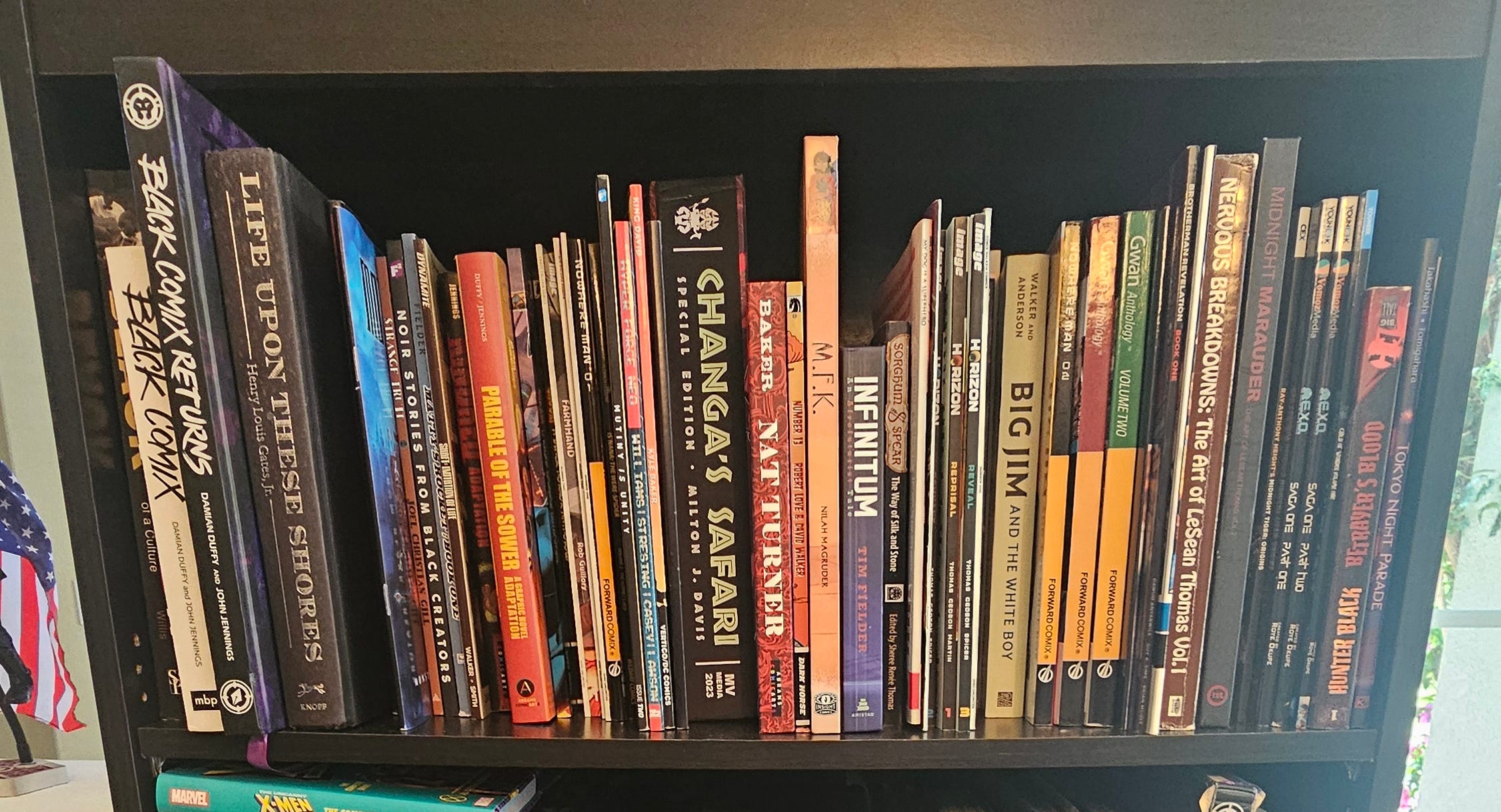
The obvious reason, of course, is that I'm a Black creative myself. But also, and maybe ironically, for the reasons that a lot of consumers might balk at their collectability: their relative scarcity, their perceived amateurism, and what some argue as lower production quality. These are the negative connotations Black creatives and entrepreneurs have to battle daily while still producing meaningful work. In my opinion, these perceived ‘flaws’ are precisely what make these items arguably MORE valuable.
There’s a sentiment about buying Black that I find fundamentally negative. Critics of Black art, definitely in comics, often insist our work must compete with mainstream efforts on their terms to be considered valid, but to me, that’s a failing proposition. I
always get into it with the critics about it. Why add negativity to a medium that’s already fledgling, especially monetarily? How does constantly telling potential supporters that the work is ‘amateur’ and that it deserves comparable scrutiny to companies that has 100 years of output, cultural dominance, billion dollar franchises in film/video games/TV, and the budgets to out promote any Black creator 1000x over help any of us? Like what side are these folks on? Do they want the medium to thrive or not?
The question often posed is, ‘Why should I buy a comic because a Black person made it?’. The answer is in the question: you should buy it precisely because Black people made it. I don’t even engage in quality debates anymore, since art is inherently subjective; what one person values, another might dismiss. The mainstream understands this perfectly, they publish myriad comics for different audiences, from Manga to French BDs, yet we rarely see these industries undermining themselves with endless quality debates that stunt growth.
That’s why I collect comics (and related media) with Black people in them. Period. That’s my first criteria. Some works resonate more than others, and that’s fine, but if I encounter a comic by Black creators, I want it in my collection. My sixth-scale figures illustrate this perfectly: while I love the medium overall, my Black figures hold a special place because they’re rare. I’m still waiting for the day when indie comic sixth-scale figures become plentiful. I want to see OneNation figures on some shelves other than my own.

Whenever a Black comic appears, I’m adding it to the collection, digital or print. People often attribute this to the fact that I print comics for several Black creators lol, and while that’s part of it, it’s also a point of pride. My personal collection and exhibition of Black comics represent more than accumulation; they’re a testament to the value I see in preserving and celebrating Black creative expression, regardless of, or maybe in spite of, critical and mainstream validation.
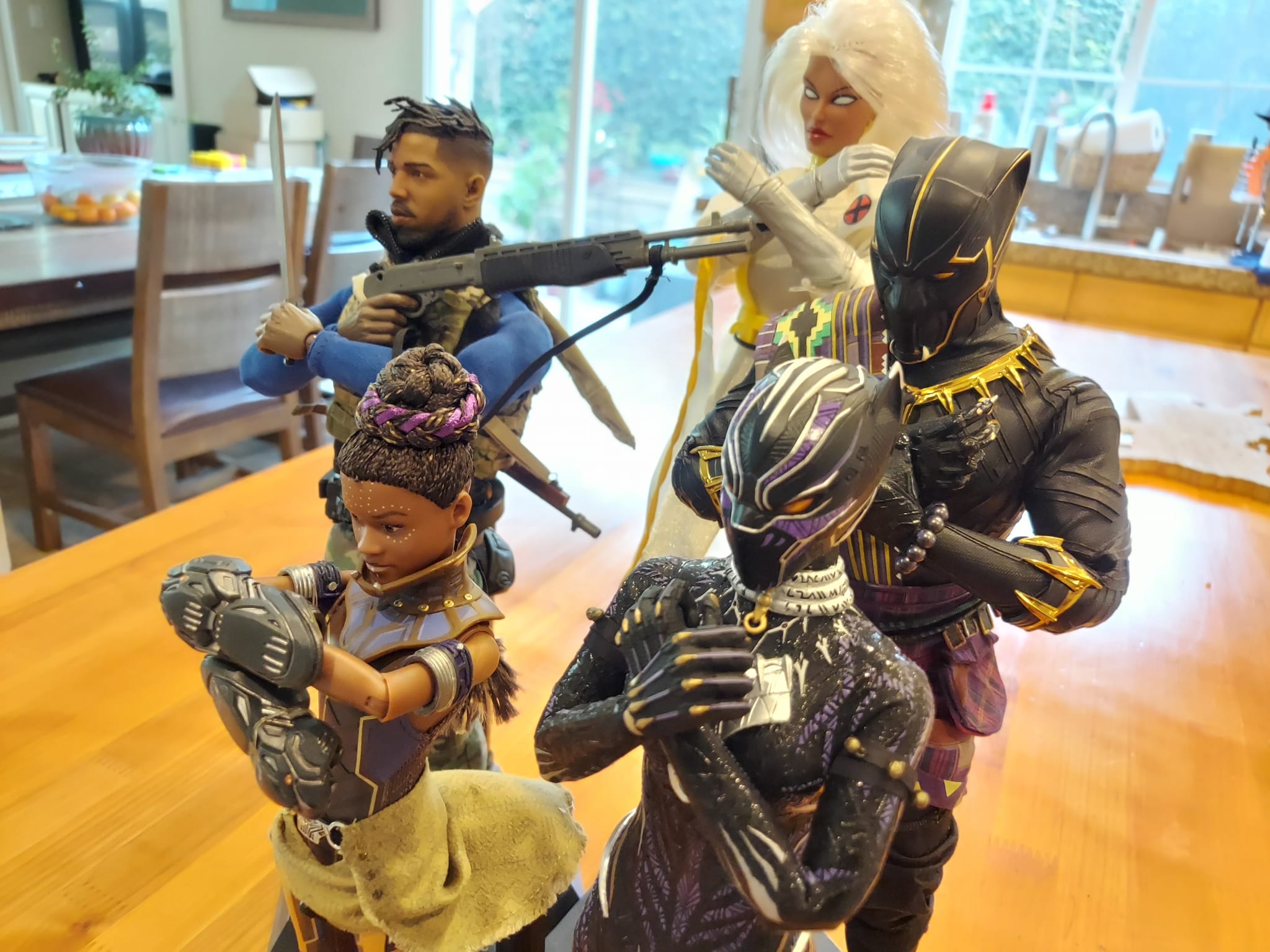
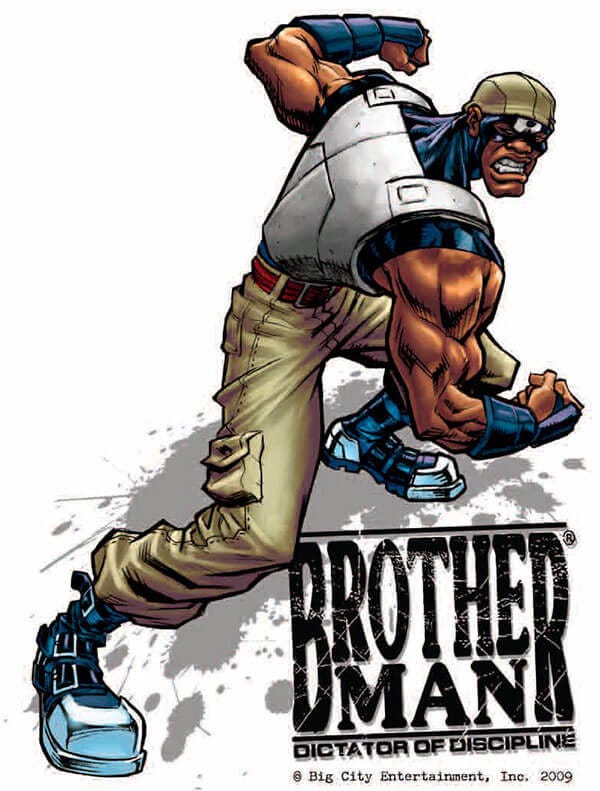
If existing while Black is inherently revolutionary, then isn't the art that blooms from that revolutionary existence, especially considering its ephemeral and cyclical nature, exceptionally valuable? In the 90’s (AKA the Black Age of Comics), we experienced a burst of brilliant Black comic art: Brother Man, Milestone Comics, Tribe, Ania w/Purge, and Alex Simmon’s Black Jack. Fast forward to today, and we're witnessing another explosion of products and media. If this cycle operates on a 20-30 year rotation, then today's Black comics possess immense value, not just as collectibles, but as cultural artifacts documenting our ongoing creative revolution.
Historically in Black culture, creativity in art, language, and culinary techniques, when examined without the distorting gaze white supremacy or the self serving avarice of capitalism, is often revealed to be anthropological hidden gems. For example: AAVE is thought of just slang but I propose that its linguistic shorthand shorthand is brilliant because of its conciseness and ability to convey context and emotion faster with less effort.

In terms of cuisine: During the Jim Crow era, vanilla ice cream was considered a symbol of white purity and denied to Black customers, who were reportedly only allowed to purchase it on the Fourth of July. Limited primarily to chocolate, Black cooks and communities began taking vanilla or plain bases and reinventing them by adding butter for richness and roasted pecans, a widely accessible, native Southern crop (because of pecan cultivation by enslaved in Louisiana). By adding these rich ingredients, the ice cream was no longer ‘pure white’, turning a secondary-status flavor into a beloved staple in Black communities, gracing Sunday tables and summer cookouts as a testament to resourcefulness and resilience against food racism. - via Food Historian Diane Spivey.
This era of Black comics can be just as transformative and I don’t want to wait generations for that to be unearthed. But it will require someone, and preferably many someones, to collect and catalog these works, promote them, and put them on display right now.
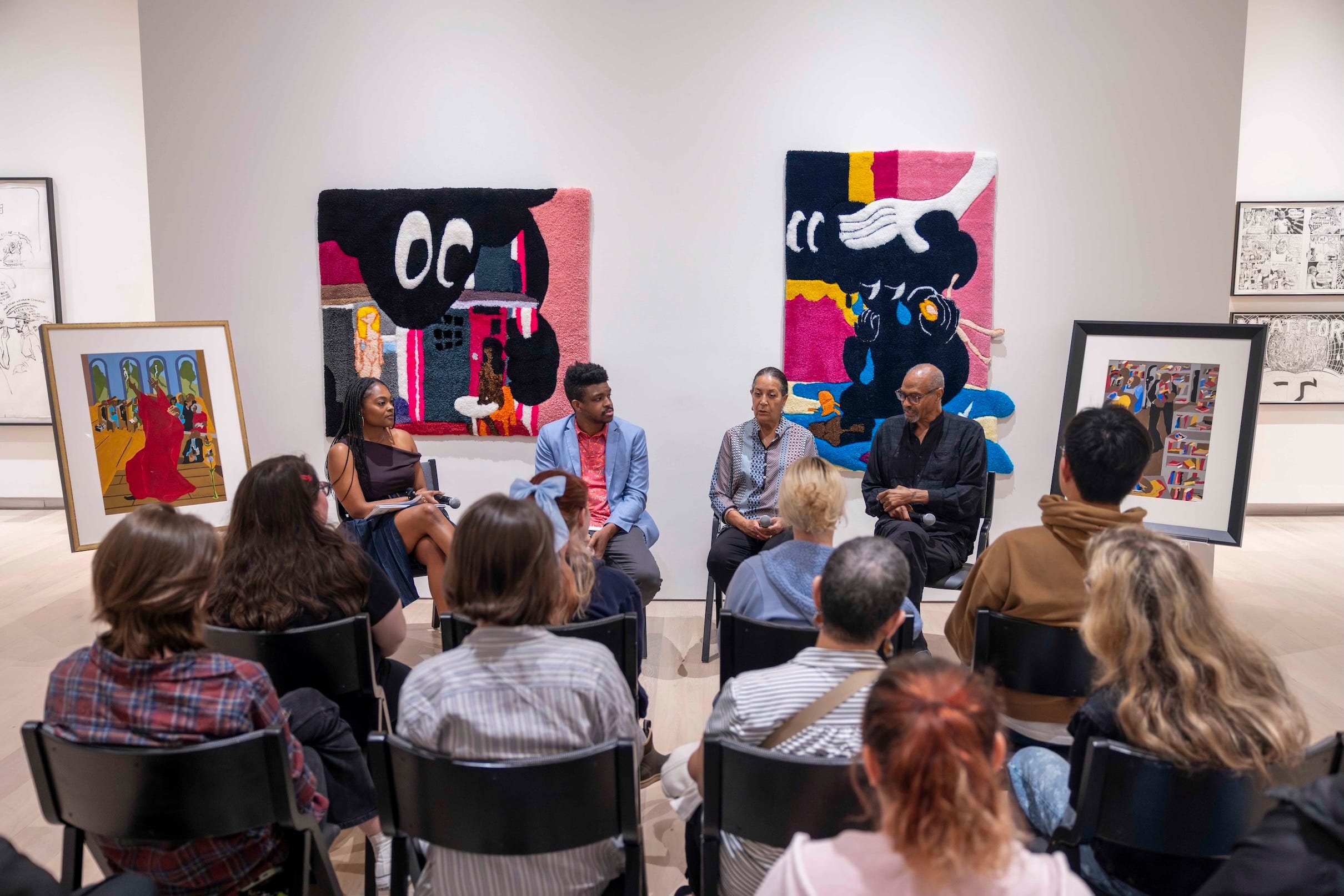
The same way Arturo Schomburg did with his collections in the Schomburg Center for Research in Black Culture. The same way Dr. Walter O. and Linda J. Evans do in the Walter and Linda Evans Center for African American Studies over at SCAD, the same way Imani Lateef does with Black Comic Keys over at Black Comix Universe, and what Phillip Thompson is doing now with Collections in Black.
Last year, while traveling to New York for something else entirely, we stumbled upon our work featured in the Met's Afrofuturism exhibition. And issue of Lion Man (from Rosarium Publishing) that we printed, smack dab in the middle of the Afrofuturism exhibit! More serendipity, where an unexpected encounter in one of the world’s most prestigious cultural institutions represents a validation that transcended typical industry recognition. Its precisely the kind of visibility I wish would happen more frequently, and at a larger scale, for more Black creatives in comics.
When our work is displayed alongside other celebrated art forms, it sends a powerful message about the cultural significance of Black storytelling through comics. Not just about individual recognition; but about establishing our place in the broader artistic canon.
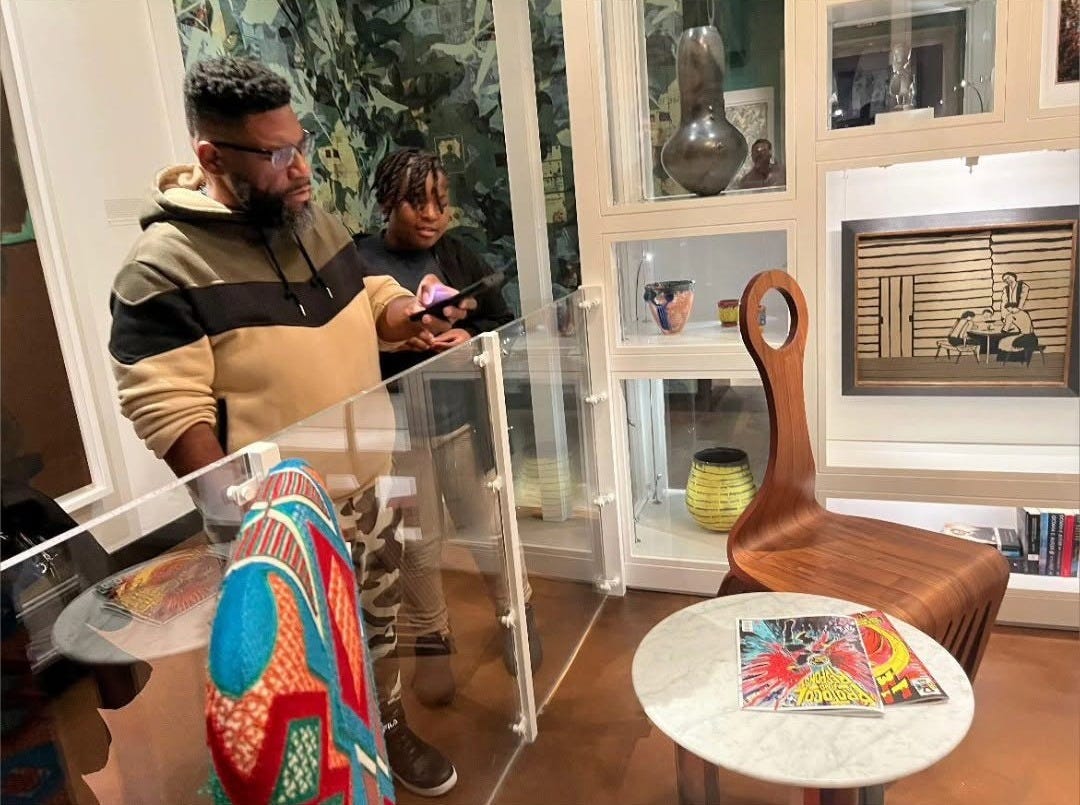
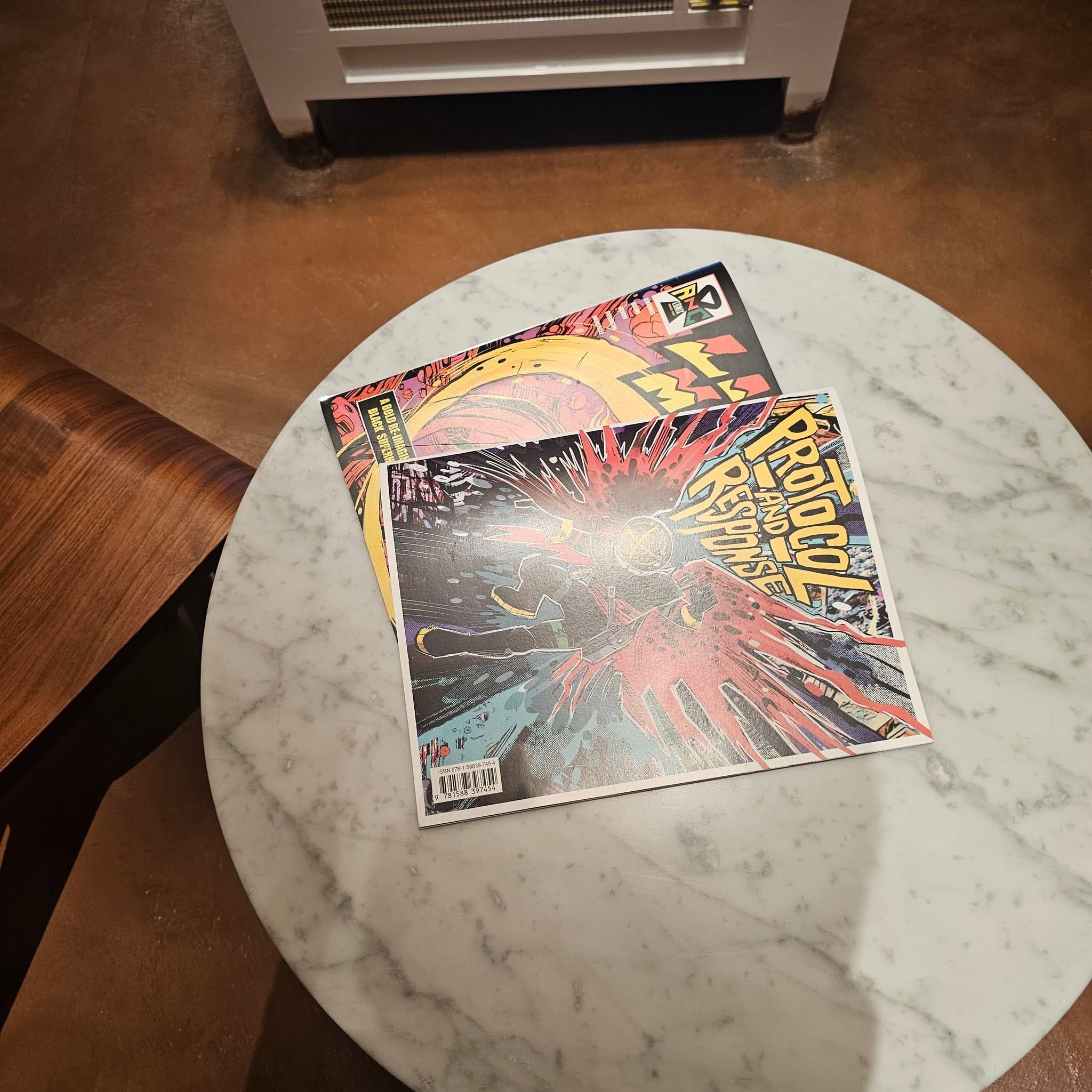
This revelation underscores why I handle these Black-created collectibles with such care, they're not just commodities to me, but cultural artifacts that deserve preservation and understanding. In a world where Black creative contributions have historically been undervalued or erased, every detail becomes sacred, every issue number a testament to survival and artistic expression against the odds.
Imagine a world where such discoveries aren’t serendipitous anomalies but regular occurrences, routinely finding our work preserved, celebrated, and analyzed in cultural institutions worldwide. Permanent fixtures in a cultural legacy, ensuring that future generations will have access to these vital creative expressions that document our experiences, imagination, and resilience.
Thanks for reading! This post is public so feel free to share it.
No posts
Comments
Nothing yet. Say the first thing.
Sign in to join the conversation.