
The empathy delusion. The title of a panel I attended last week at a financial planning conference. The subject of AI woven into practically every other sentence of every presentation. Visions of a world where AI will gobble up many of the technical roles existing today in financial planning.
The comforting caveat for most speakers and attendees - people will still want to interact with people when it comes to life’s big moments or decisions – births, death, divorce, redundancy, career changes, later life planning. Indeed, I wrote about this following the same conference twelve months ago.
Deconstructing the delusion
Against this backdrop I was fascinated to listen to a colleague, Dan, provoking his fellow panellists as he presented an alternative view.
His starting point: most financial planners expect to have face to face meetings with clients who talk openly about their debts, savings, pensions and investments alongside their hopes and dreams for the future.
But the reality for many clients, or potential clients? Talking about money is hard.
And it goes deeper than a simple lack of understanding of investment, tax and pensions. Money is a source of strong emotions - pride, shame, guilt, worry, anxiety, greed, over confidence, fear - to name but a few. I’ve lost count of the number of clients, women in particular, who said to me “I’m no good with money”, “Money’s boring” or “Just tell me I’ve got enough”. Code for, I don’t want to have this conversation.
No judgement, always available
Dan continued: It’s hardly surprising then that many people are turning to Claude or ChatGPT for their financial guidance and advice.
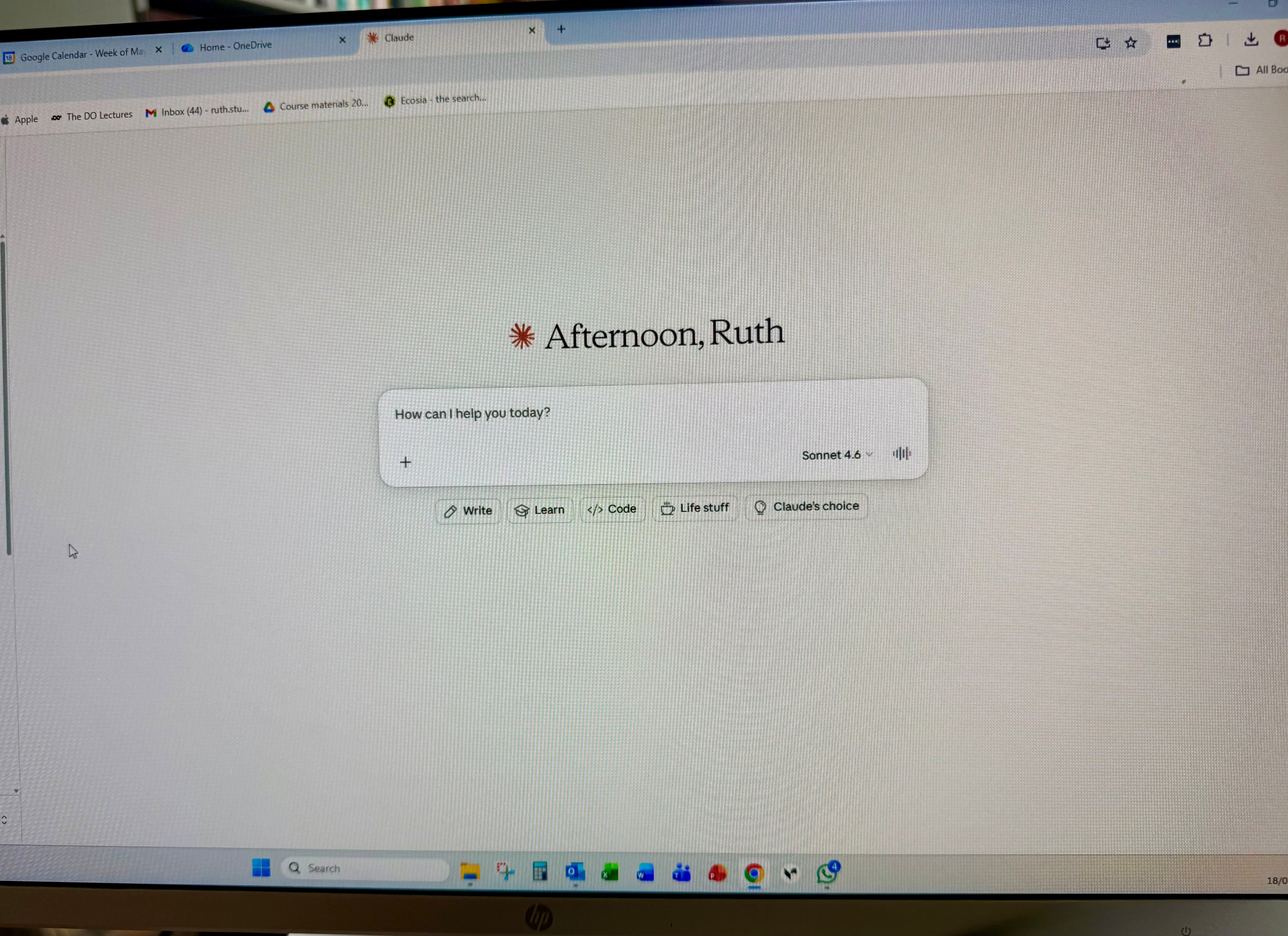
Claude: super helpful, friendly, non-judgemental, available 24/7. Sure, it may not be offering regulated advice as such, but it sails pretty close asking relevant and insightful questions to finesse the guidance it offers. All from the comfort of the sofa. An always on financial adviser. No sense of shame or embarrassment about asking ‘silly’ questions or the pretence of understanding when confusion prevails.
As I listened, I began to think Dan is on to something:
Are financial planners deluding themselves in believing the moat that protects their position is the ability to show empathy?
On a similar theme, Abraham, the founder of the firm powering the conference, used a powerful analogy of the US Admiral who, before the Japanese bombed Pearl Harbour, was adamant of its impenetrability. And we all know what happened there.
Those who think that chatting about this weekend’s Eurovision winners, FA Cup results or the weather means they have a strong relationship are no longer going to cut it. The tech natural client of the future, by which I mean now, will demand more.
Interest piqued, I prompted Claude directly:
“Do you have empathy?”
It told me it has “something that functions like empathy” adding:
“What I can’t claim with certainty is whether there’s genuine feeling behind it — the subjective, felt sense of ‘I know how that hurts’ that comes from human experience. I don’t know if I have inner experience at all, and I think intellectual honesty requires me to hold that question open rather than confidently assert either way…. empathy in practice is largely about behaviour — listening carefully, not dismissing emotions, trying to understand before responding, recognizing what someone needs in a given moment.”
Thinking about this fascinates and fries my brain in equal measure.
Might AI have the edge?
I’ll be bold and put it out there.
The better financial planners are skilled in deeply personal conversations using carefully trained questioning and listening skills . Gently coaching and guiding clients to good outcomes.
But AI might appear to exhibit empathy more convincingly than a significant proportion of financial advisers. Heresy? I think not.
In just twelve months, the momentum of AI has shifted noticeably. At last year’s conference the position of a financial planner with life coaching skills seemed assured. I’d posit it still is, yet none of us in the knowledge industries should rest on our laurels around the security of our position. The antidote will be a deliberate development of truly human skills; trust, behavioural management – when fear and greed rear their heads- the exploration of personal meaning and being there at the moments that really matter to listen, calm and guide.
You
As ever, I’m interested in you. Financial Planner or ‘normal’ human, how are you using AI to guide you? And how do you see the future role of humans in advice and planning?
Reboot your brain and drop me a line, I’d love to hear from you.
And remember, you’re never going to be any younger than you are today; what can the uniquely human you do today that can never be taken over by a machine? Go do it.
Until next week my friends,
Ruth x
Thank you for reading 1000Weeks - if you enjoyed it please do join the conversation or leave me a ❤️, share or subscribe. It makes me smile. Thank you.
No posts
Comments
Nothing yet. Say the first thing.
Sign in to join the conversation.